Turboprop aircraft occupy a unique position in American general aviation, combining jet like reliability and performance with operating economics that appeal to a broad range of missions. From corporate shuttles connecting regional offices to medevac flights serving rural communities, turboprops deliver versatility that pure jets cannot match. Their ability to operate from shorter runways, carry substantial payload, and do so at fuel flows significantly below comparable jets makes them indispensable across the United States. AeroClassifieds features turboprop aircraft from leading manufacturers, listed by verified brokers who specialize in this segment of the market.
The turboprop value proposition centers on mission flexibility and operating efficiency. Turbine engines provide exceptional reliability compared to piston powerplants, with lower maintenance costs and longer time between overhaul intervals. Propeller driven configurations deliver superior short field performance, allowing operations from runways measuring 3,000 feet or less where many jets cannot safely operate. This capability opens access to thousands of airports across America that serve smaller communities, mountain resort towns, and industrial sites far from major commercial hubs.
Fuel efficiency represents another compelling advantage. Turboprops burn significantly less fuel per nautical mile than jets of comparable size, particularly on shorter sectors under 500 nautical miles where jets must climb to altitude and descend before reaching optimal cruise efficiency. For operators conducting multiple daily flights between regional destinations, these fuel savings translate to meaningfully lower direct operating costs. Aircraft such as the Pilatus PC 12 and Beechcraft King Air 350 routinely achieve operating costs 30 to 50 percent below light jets on comparable missions.
Cabin utility and payload capacity further differentiate turboprops from other aircraft categories. Many models feature large cargo doors and flat floor cabins that accommodate stretchers for medical evacuation, bulky equipment for industrial operations, or flexible seating configurations for passenger transport. The ability to rapidly reconfigure the cabin between missions provides operational versatility valued by charter operators, corporate flight departments, and government agencies.
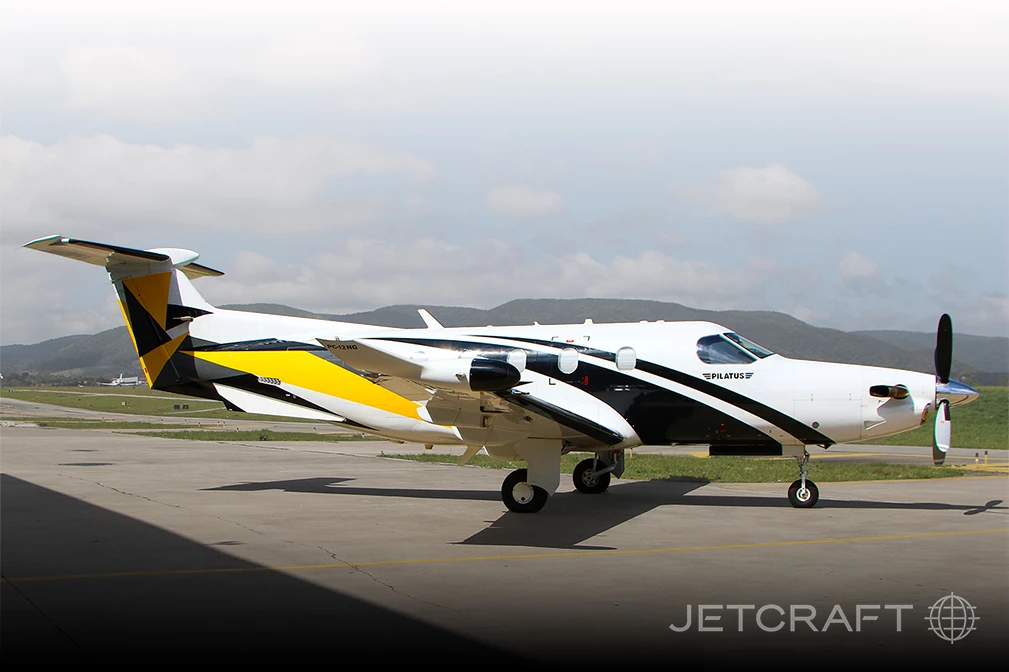
The Pilatus PC 12 has emerged as one of the most successful single engine turboprops ever produced. Its Pratt & Whitney PT6 engine, spacious cabin seating up to nine passengers, and advanced avionics make it equally capable as a corporate shuttle, air ambulance platform, or cargo hauler. The latest PC 12 NGX variant incorporates a digital cockpit, improved cabin pressurization, and aerodynamic refinements that enhance range and speed. Pre owned PC 12 aircraft remain in high demand, with well maintained examples holding value exceptionally well.
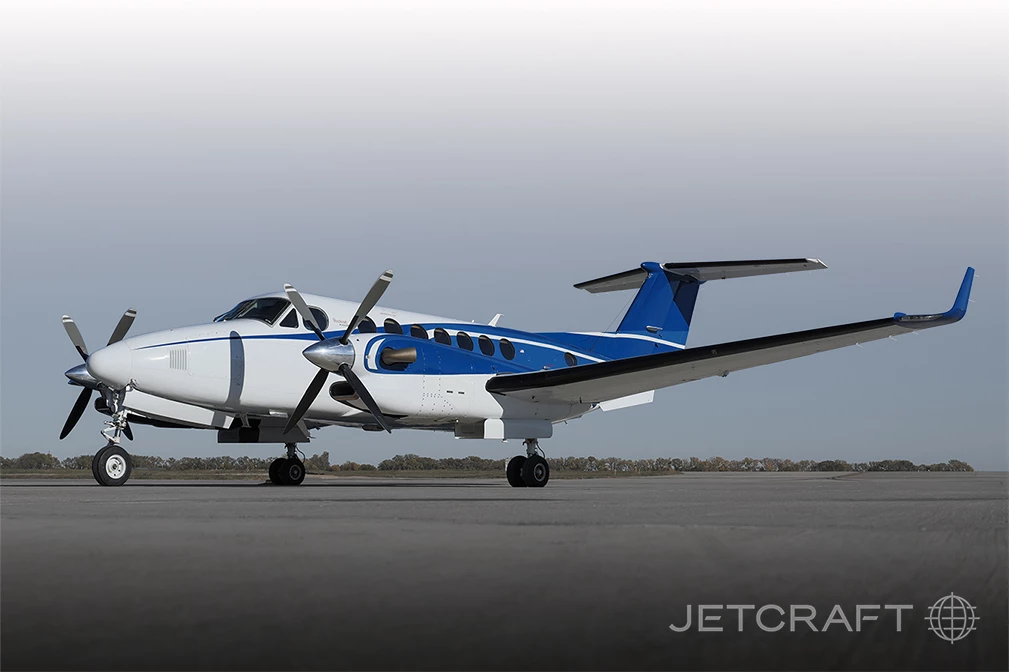
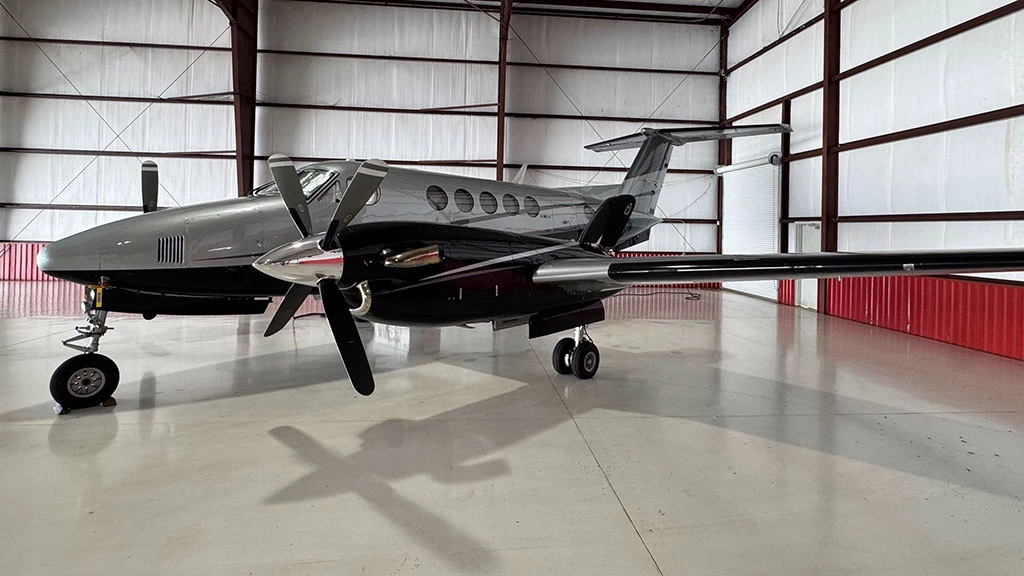
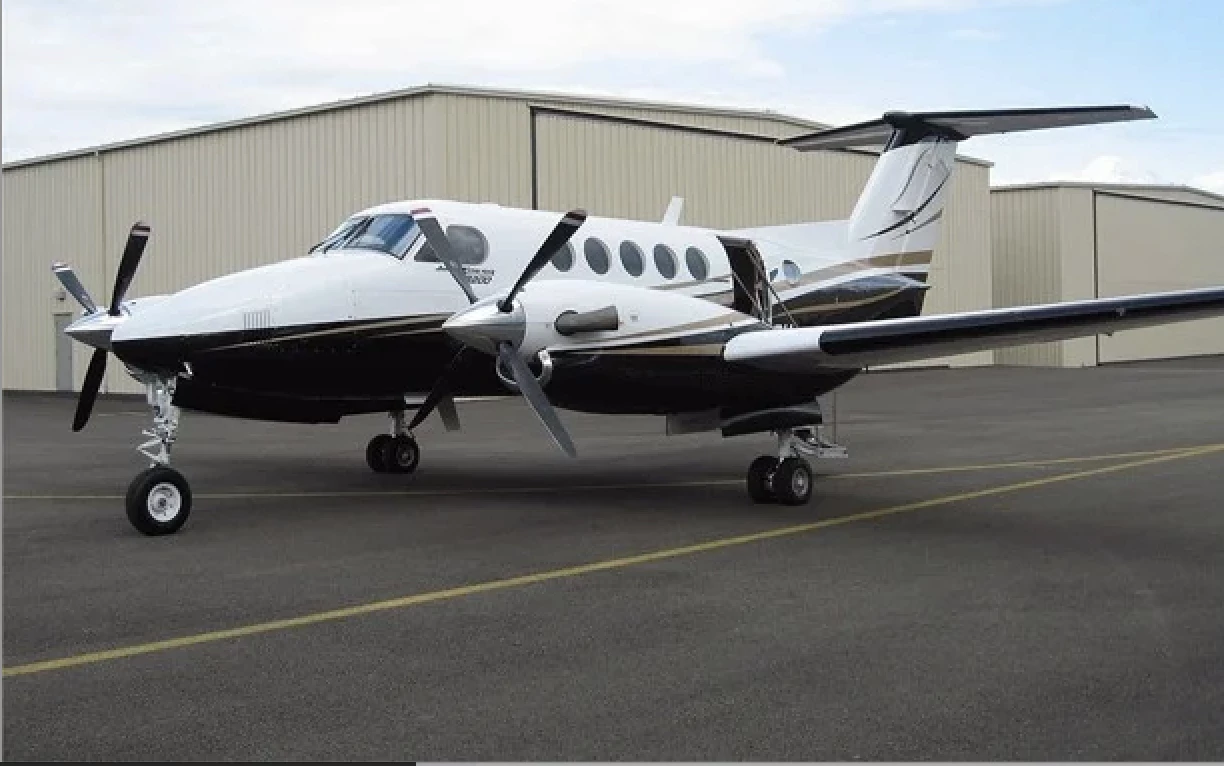
The Beechcraft King Air family represents the gold standard in twin engine turboprops. Models ranging from the King Air 90 through the King Air 350 serve missions from short hop regional flights to coast to coast executive transport. The King Air 350, in particular, offers stand up cabin comfort, seating for eight to eleven passengers, and range approaching 1,800 nautical miles. Its popularity with corporate operators and charter companies ensures strong aftermarket support and a liquid secondary market.
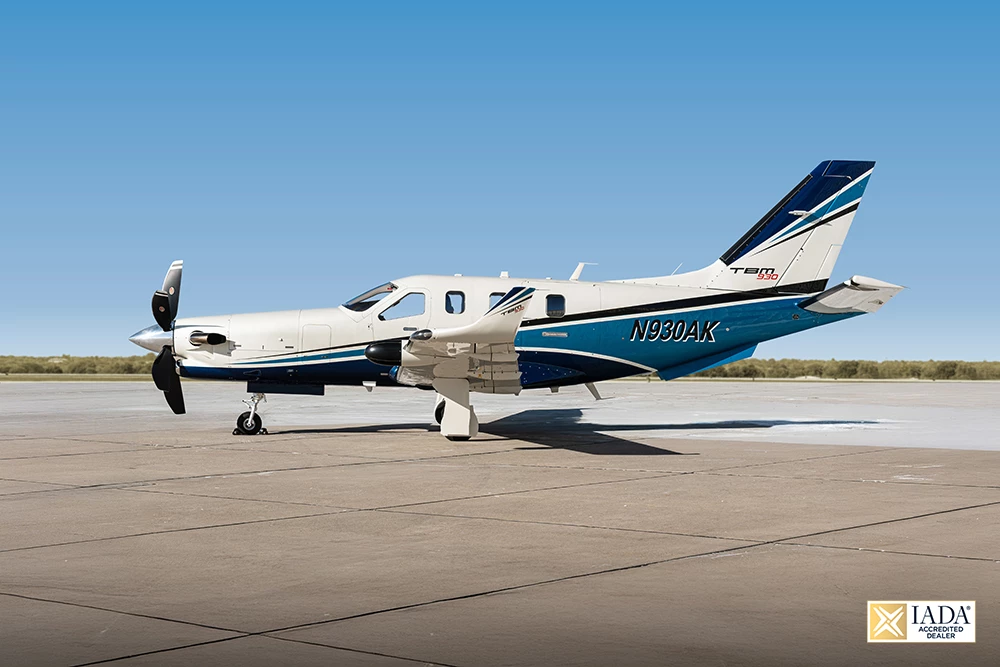
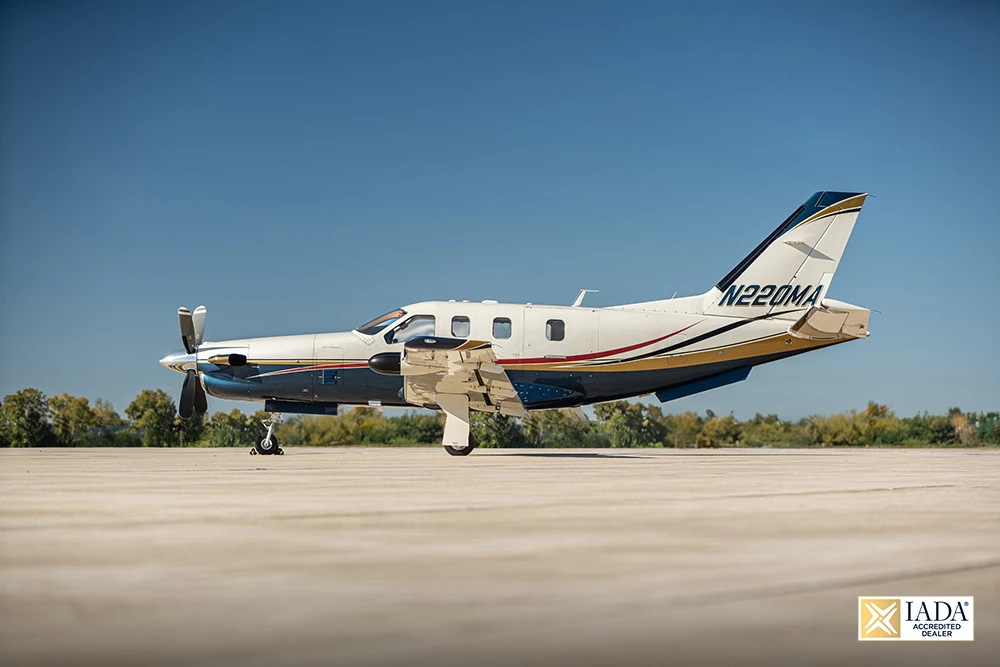
The TBM series from Daher has carved out a niche among owner pilots seeking high speed performance in a single engine turboprop. The TBM 940, the current production model, cruises at speeds exceeding 330 knots true airspeed, approaching the performance of some light jets while retaining turboprop operating economics. Advanced safety features including autoland capability and a digital flight deck appeal to technically sophisticated buyers. Earlier TBM models, including the TBM 700 and 850, offer similar capabilities at lower acquisition costs.
The Cessna Caravan holds a commanding position in utility and cargo operations. Its rugged construction, large cargo door, and ability to operate from unimproved surfaces make it the aircraft of choice for freight operators, skydiving operations, and regional passenger service in remote areas. Float equipped Caravans serve island communities and wilderness lodges throughout Alaska, the Pacific Northwest, and coastal regions. The Caravan 208B Grand Caravan EX variant offers increased power and payload, expanding mission capability for demanding operations.
Corporate flight departments deploy turboprops primarily for regional missions connecting offices, plants, and customer sites within a 500 to 800 nautical mile radius. The ability to operate from shorter runways allows companies to base aircraft at or near their headquarters rather than at distant commercial airports, reducing ground transportation time and improving schedule reliability. Many corporations operate turboprops alongside jets, using each aircraft type for the missions where it delivers optimal value.
Medical evacuation services rely heavily on turboprops for their combination of speed, payload capacity, and short field capability. Air ambulance operators configure cabins with medical equipment, stretchers, and seating for medical personnel, creating flying intensive care units capable of reaching patients in remote areas and transporting them to trauma centers hundreds of miles away. The King Air 200 and 350 are particularly popular for this mission due to their cabin size, reliability, and established maintenance infrastructure.
Regional airlines and charter operators use turboprops to serve thin routes connecting smaller communities to major hubs. Aircraft such as the Cessna Caravan and Quest Kodiak carry passengers and cargo on scheduled services where jet operations would be uneconomical. The Essential Air Service program, which subsidizes commercial airline service to rural communities, relies heavily on turboprop aircraft to fulfill its mandate of maintaining connectivity across the nation.
The pre owned turboprop market offers strong value for buyers willing to evaluate aircraft carefully. Engine time remaining before overhaul, propeller condition, avionics generation, and overall maintenance history all influence value significantly. Aircraft enrolled in engine programs such as Pratt & Whitney Power by the Hour or manufacturer maintenance programs provide cost predictability that reduces ownership risk. Buyers should review logbooks thoroughly and conduct pre purchase inspections at facilities experienced with the specific make and model under consideration.
Financing for turboprops is widely available through specialized aviation lenders who understand the market dynamics and residual values associated with these aircraft. Loan to value ratios typically range from 80 to 85 percent for creditworthy borrowers purchasing newer aircraft with strong market demand. Interest rates reflect the borrower credit profile, aircraft age, and prevailing economic conditions. Many buyers structure ownership through limited liability companies to provide liability protection and facilitate ownership transfers or partnership arrangements.
Insurance costs for turboprops vary based on pilot experience, aircraft value, and intended use. Owner flown turboprops typically require pilots to hold commercial certificates with instrument ratings and to complete type specific training at an approved facility. Insurance companies often mandate annual recurrent training and may impose minimum flight time requirements in type before providing coverage without copilot restrictions. Professional operators under Part 135 face more stringent insurance requirements but benefit from lower per hour rates due to higher utilization and professional crew standards.
Understanding total lifecycle costs is essential for turboprop buyers. Direct operating costs including fuel, engine reserves, scheduled maintenance, and insurance typically range from $800 to $1,500 per flight hour for single engine turboprops such as the PC 12 or TBM, and $1,200 to $2,200 per flight hour for twin engine aircraft like the King Air 350. Fixed costs including hangarage, annual inspections, database subscriptions, and crew salaries add to the total ownership burden.
Engine overhaul represents the single largest maintenance event in a turboprop lifecycle. Pratt & Whitney PT6 engines, which power the majority of turboprops in service, typically require hot section inspections every 1,800 to 3,600 hours and complete overhauls between 3,600 and 6,000 hours depending on variant. Overhaul costs range from $300,000 to $600,000 per engine, making reserves for this expense critical for budget planning. Engine programs allow operators to pay hourly fees in exchange for coverage of hot section and overhaul costs, providing cost certainty at the expense of slightly higher total expenditure.
Avionics upgrades can extend the useful life of older turboprops significantly. Many aircraft built in the 1990s and early 2000s have been retrofitted with Garmin G1000 or G3000 glass cockpits, modern autopilots, and ADS B compliant transponders, bringing their capabilities in line with newer production aircraft. Buyers evaluating older airframes should assess the cost and feasibility of avionics modernization as part of their acquisition analysis, as dated avionics can limit operational flexibility and reduce market appeal during eventual resale.
Browse our current inventory of turboprop aircraft for sale throughout the United States, or explore our full range of aircraft listings including business jets and turbine helicopters.
Browse our full global inventory of turboprops for sale.
The Beechcraft King Air family holds the largest share of the twin engine turboprop market, while the Pilatus PC 12 dominates the single engine segment. Both aircraft types are known for reliability, strong support networks, and versatile mission capabilities.
Operating costs vary by aircraft size and model. Single engine turboprops such as the PC 12 or TBM typically cost between $800 and $1,500 per flight hour, while twin engine aircraft like the King Air 350 range from $1,200 to $2,200 per flight hour. These figures include fuel, maintenance reserves, and insurance but exclude fixed costs.
Most turboprops certificated for commercial operations are equipped with ice protection systems including heated surfaces, pneumatic boots, and anti icing fluids. These systems allow flight into known icing conditions in accordance with FAA regulations and aircraft flight manual limitations. Buyers should verify that any aircraft they acquire is appropriately equipped for the operating environment they expect to encounter.
Regulatory requirements vary by aircraft type and operation. Many turboprops including the PC 12 and TBM series are certificated for single pilot operations, though insurance companies may require two pilots depending on the owner pilot experience level. Aircraft operated under Part 135 charter rules often require two pilots regardless of aircraft certification. Buyers should clarify insurance and operational requirements before completing a purchase.