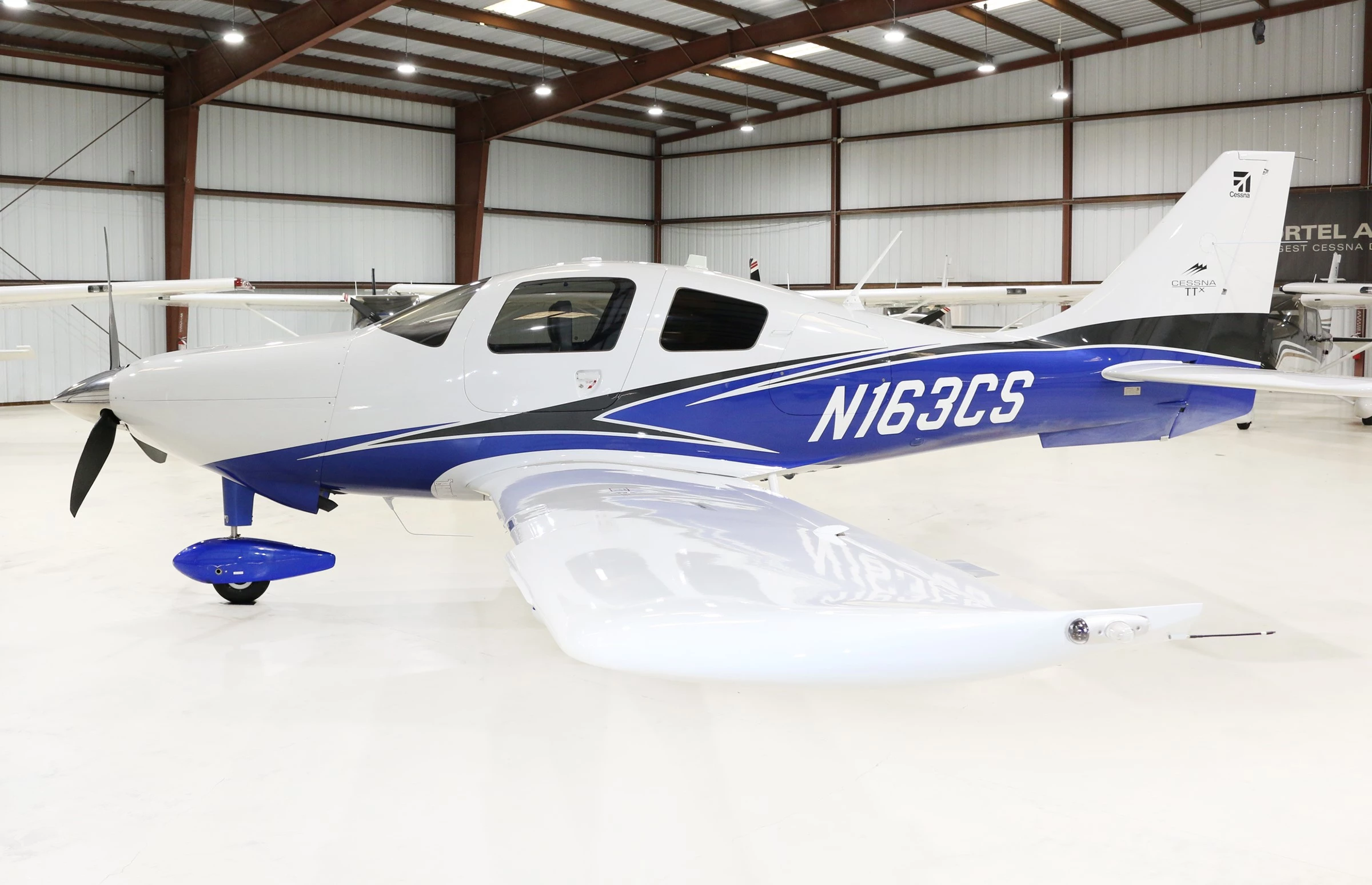
Piston aircraft form the foundation of American general aviation, serving pilots from their first training flights through decades of personal flying adventures. These aircraft combine relative simplicity with genuine utility, providing access to thousands of airports across the country at operating costs far below turbine powered alternatives. Whether you seek an economical trainer like the Cessna 172, a capable cross country machine such as the Cirrus SR22, or a vintage classic like the Beechcraft Bonanza, the American market offers unmatched selection and value. AeroClassifieds features piston aircraft from verified brokers and dealers who understand this vital segment of the aviation marketplace.
Piston powered aircraft account for the majority of the general aviation fleet in the United States. Their lower acquisition costs, simpler systems, and reduced operating expenses make them accessible to a broad cross section of pilots and aviation enthusiasts. Flight training depends almost entirely on piston aircraft, with thousands of Cessna 172s, Piper Warriors, and Diamond DA40s introducing new students to the fundamentals of flight every year. The skills learned in these trainers form the foundation for all subsequent flying, whether graduates continue in general aviation or progress to commercial airline careers.
Personal transportation represents another core mission for piston aircraft. Owners use their aircraft to visit family across the country, reach vacation destinations not well served by commercial airlines, conduct business at multiple sites in a single day, and simply enjoy the freedom that personal aviation provides. Aircraft such as the Cessna 182, Piper Saratoga, and Beechcraft Bonanza offer four to six place seating, useful load sufficient for passengers and baggage, and cruise speeds that make trips of 300 to 500 nautical miles practical in a single leg.
Flying clubs and partnerships allow pilots to access aircraft ownership at fractions of the individual cost. Multiple members share acquisition expense and fixed costs, making aircraft ownership feasible for pilots who might not otherwise be able to afford sole ownership. This model works particularly well for piston aircraft where operating costs per hour remain modest and airframes can accumulate hundreds of hours annually across multiple users without excessive wear.
The Cessna 172 Skyhawk holds the title of most produced aircraft in history, with more than 44,000 built since production began in 1956. Its docile handling, forgiving flight characteristics, and robust construction make it ideal for training, and the extensive fleet ensures parts availability and affordable maintenance. Pre owned 172s are available across a wide price spectrum, from older models suitable for time building to late model G1000 equipped aircraft that incorporate modern avionics and refined interiors.
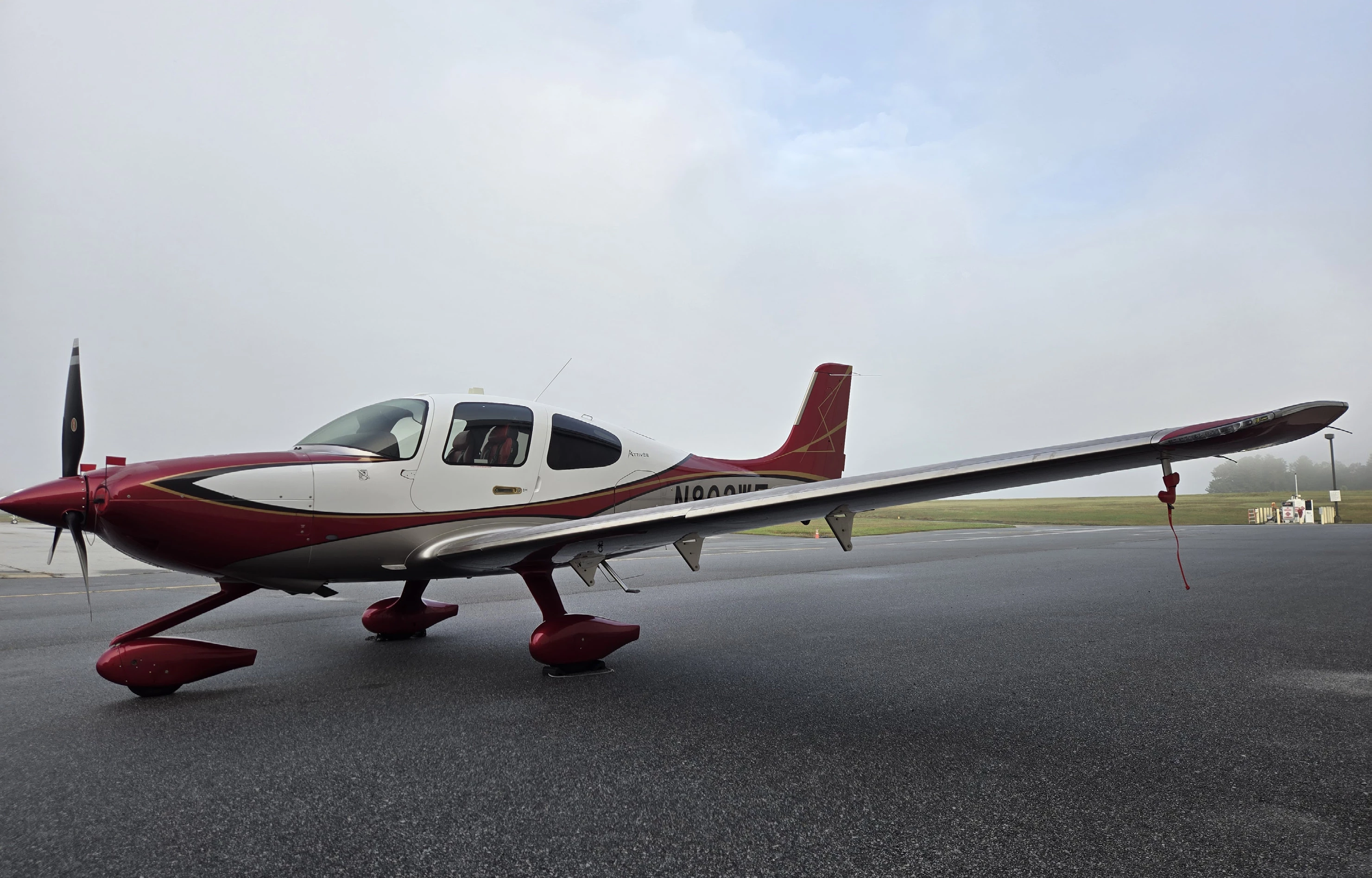
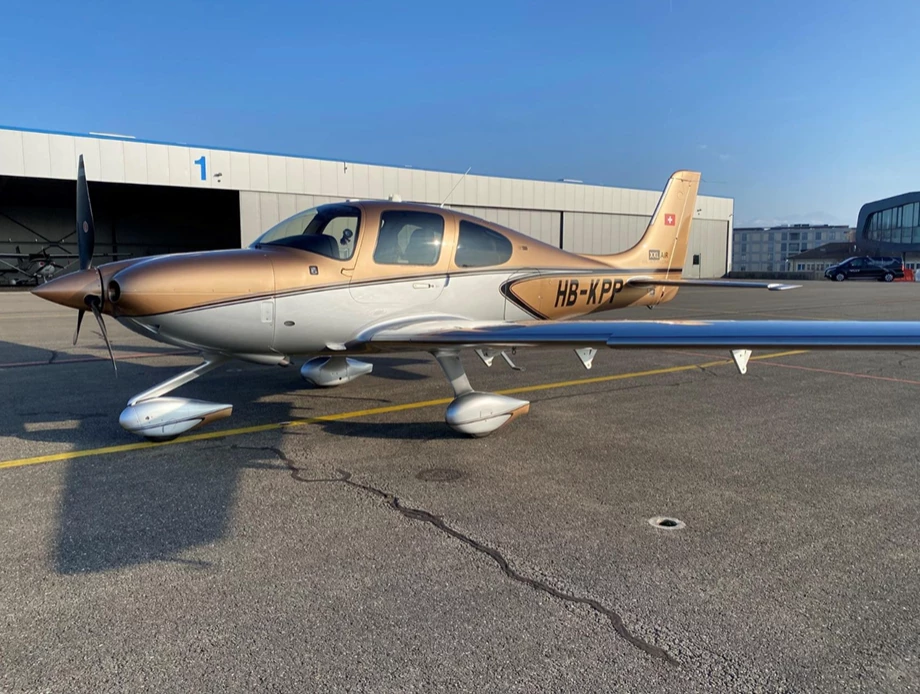
The Cirrus SR22 has redefined the high performance single engine piston market since its introduction. Composite construction, advanced avionics including integrated autopilots and synthetic vision, and the Cirrus Airframe Parachute System provide safety features unprecedented in this category. Cruise speeds exceeding 180 knots and useful loads approaching 1,200 pounds make the SR22 a capable cross country machine for owner pilots seeking maximum performance. The SR22T turbocharged variant offers strong climb performance and the ability to cruise in the flight levels, expanding mission capability into thin air and over mountainous terrain.
The Piper Cherokee family, including the Warrior, Archer, and Arrow, competes directly with Cessna offerings in the training and personal aircraft markets. Low wing configurations provide excellent visibility and handling characteristics appreciated by pilots transitioning to more complex aircraft types. The Piper Saratoga and Lance models extend the Cherokee design to six place seating with retractable landing gear, creating capable family haulers and light cargo platforms.
Beechcraft Bonanzas have earned legendary status among piston aircraft owners for their performance, build quality, and classic ramp appeal. The distinctive V tail design of early models makes them instantly recognizable, while later straight tail variants offer refined aerodynamics and increased baggage capacity. Well maintained Bonanzas command strong values in the pre owned market, with pristine examples holding appeal to discerning buyers who value craftsmanship and heritage.
The Diamond DA40 and DA42 represent modern interpretations of piston aircraft design, utilizing composite construction, efficient diesel engines in some variants, and contemporary avionics to deliver exceptional fuel economy and low operating costs. The DA42 twin engine configuration provides multi engine training capability and the redundancy valued by pilots operating over water or inhospitable terrain.
Selecting the right piston aircraft requires honest assessment of typical missions, pilot skill level, and budget constraints. First time buyers often benefit from starting with simpler aircraft that match their current experience before upgrading to more complex models as their skills progress. Fixed gear aircraft reduce complexity and insurance costs compared to retractable gear models, though the latter typically offer higher cruise speeds. Turbocharged engines provide better high altitude performance at the cost of increased complexity and higher maintenance requirements.
Pre purchase inspections are essential for piston aircraft acquisitions. Buyers should engage experienced mechanics with specific knowledge of the make and model under consideration to conduct thorough examinations of airframe, engine, propeller, and avionics systems. Engine time remaining before overhaul represents a major value factor, with low time engines commanding premiums and run out engines requiring discounts to account for impending overhaul costs. Compressions tests, oil analysis, and borescope inspections provide insight into engine health that informs value and negotiation positions.
Airframe corrosion can be a significant issue in piston aircraft, particularly those based in coastal areas or flown infrequently. Inspectors should examine wing attach points, control surfaces, landing gear assemblies, and other critical structures for evidence of corrosion that could compromise safety or require expensive remediation. Aircraft stored in hangars throughout their lives typically show less corrosion than those tied down outdoors, though hangar storage alone does not guarantee corrosion free condition.
Piston aircraft deliver the most economical operating costs in general aviation, making them accessible to pilots and owners across a broad economic spectrum. Simple single engine aircraft such as the Cessna 172 or Piper Warrior typically cost between $120 and $180 per flight hour to operate, including fuel, engine reserves, annual inspections, and insurance. High performance singles including the Cirrus SR22 or Beechcraft Bonanza range from $200 to $300 per flight hour depending on fuel burn, maintenance requirements, and insurance premiums.
Engine overhaul represents the single largest maintenance expense in piston aircraft ownership. Overhaul intervals range from 1,200 hours for some engines to 2,000 hours or more for others, with costs typically between $30,000 and $60,000 depending on engine type and extent of work required. Setting aside engine reserves with each flight hour helps owners prepare for this inevitable expense without financial surprise. Propeller overhauls occur less frequently but still represent meaningful costs, typically ranging from $3,000 to $8,000 depending on propeller type and condition.
Fixed costs including insurance, hangarage, annual inspections, and database subscriptions add to total ownership expenses. Insurance premiums vary based on aircraft value, pilot experience, and intended use, with less experienced pilots facing higher premiums until they accumulate time in type. Hangarage costs range from a few hundred dollars monthly at rural airports to over $1,000 monthly in major metropolitan areas. Tie down spaces offer lower cost alternatives, though outdoor storage subjects aircraft to weather exposure and potential security concerns.
Financing for piston aircraft is available through banks and specialized aviation lenders, though loan terms and requirements vary by aircraft value and borrower profile. Lenders typically finance 80 to 90 percent of appraised value for creditworthy borrowers purchasing aircraft valued above certain thresholds, often $50,000 to $75,000 minimums. Loan terms extend up to 20 years, with interest rates reflecting borrower credit, aircraft age, and prevailing market conditions. Lower value aircraft may require higher down payments or shorter terms due to lender policies around minimum loan sizes and collateral values.
Partnership and flying club structures allow multiple pilots to share ownership costs while retaining more control and access than rental arrangements provide. Two to four partner arrangements work well for piston aircraft, with each member contributing to acquisition cost and sharing fixed expenses proportionally. Clear operating agreements defining scheduling priority, maintenance responsibilities, and exit procedures help partnerships function smoothly over time. Flying clubs formalize these arrangements with larger member bases, professional management, and multiple aircraft to serve diverse member needs.
Some buyers choose to purchase aircraft outright without financing, eliminating interest costs and loan covenants while retaining maximum flexibility to modify or sell the aircraft. The optimal financial structure depends on individual circumstances including cash availability, tax considerations, and personal preferences around leverage and ownership arrangements. Consulting with aviation accountants and attorneys experienced in aircraft transactions can help buyers structure ownership in ways that align with their objectives while managing risk appropriately.
Browse our selection of piston aircraft for sale across the United States, or explore additional categories including business jets, turboprops, and turbine helicopters to find the aircraft that matches your mission.
Browse our full global inventory of piston aircraft for sale.
The Cessna 172 Skyhawk is the most widely used training aircraft in the United States and worldwide. Its forgiving handling, visibility, and robust construction make it ideal for student pilots, and the extensive fleet ensures availability and affordable operating costs.
Total ownership costs vary by aircraft type, utilization, and location. Simple single engine aircraft typically cost between $15,000 and $25,000 annually in fixed costs including insurance, hangarage, and annual inspections. Variable costs add $120 to $300 per flight hour depending on aircraft complexity and fuel burn. Higher performance aircraft and those requiring more expensive insurance or hangarage increase these figures.
No, you can own and operate piston aircraft with a private pilot certificate and appropriate category and class ratings. However, an instrument rating significantly expands utility by allowing flight in instrument meteorological conditions and provides valuable skills that enhance safety even when flying VFR. Many insurance companies offer lower premiums to instrument rated pilots.
Time between overhaul varies by engine model but typically ranges from 1,200 to 2,000 hours. Engines operated within recommended parameters and given regular maintenance often reach or exceed TBO, while those subjected to harsh operating conditions may require earlier overhaul. Buyers should review engine logs carefully to assess remaining time and plan for this major expense.