Rotorcraft play vital roles across the American economy, serving missions that fixed wing aircraft cannot accomplish. From emergency medical services transporting critical patients to trauma centers, to offshore energy operations shuttling crews to platforms in the Gulf of Mexico, to corporate executives bypassing ground traffic congestion, turbine helicopters provide unique operational capabilities. The United States maintains one of the largest helicopter fleets in the world, supported by an extensive network of operators, maintenance providers, and training organizations. AeroClassifieds connects buyers with verified brokers specializing in helicopter transactions across all mission categories.
The vertical lift capability inherent to helicopters enables operations impossible for fixed wing aircraft. Medical evacuation programs rely on helicopters to reach accident scenes in rugged terrain, land at hospital helipads, and deliver patients directly to emergency departments with minimal transfer time. These air ambulance operations save thousands of lives annually, bringing advanced medical care to victims within critical golden hour timeframes that determine survival outcomes.
Offshore energy operations in the Gulf of Mexico depend entirely on helicopter transport to move personnel and equipment between mainland bases and offshore platforms. Twin engine helicopters such as the Sikorsky S 76 and Airbus AS365 Dauphin are specifically configured for this mission, incorporating long range fuel systems, advanced navigation equipment, and safety systems designed for overwater operations. The offshore market supports one of the highest concentrations of helicopter activity in the United States, with dozens of aircraft operating daily from bases in Louisiana and Texas.
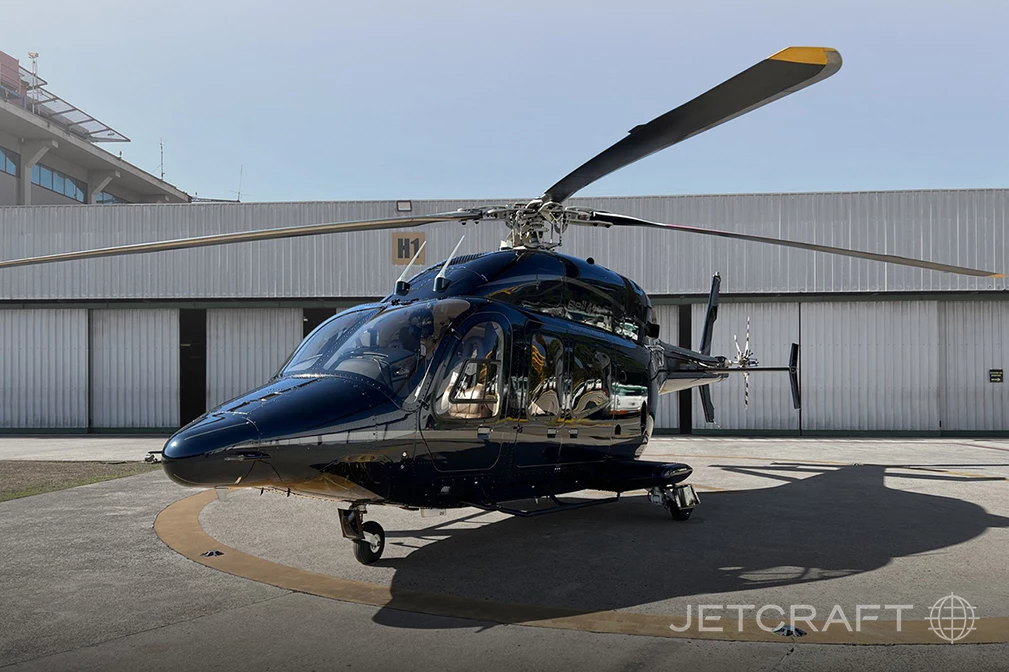
Corporate helicopter operations concentrate in major metropolitan areas where ground traffic congestion makes traditional transportation inefficient. Executives in New York, Los Angeles, and other major cities utilize helicopters to reach airports, connect offices, and travel to sites across their regions while minimizing time spent in traffic. Light twin engine helicopters such as the Bell 429 and Airbus H145 serve this market, offering executive interiors, IFR capability, and the performance needed for operations in congested airspace.
Utility operations encompass a broad range of missions including powerline inspection, forestry work, construction support, law enforcement, firefighting, and agricultural applications. Medium and heavy lift helicopters such as the Sikorsky S 64 Skycrane and Boeing CH 47 Chinook tackle specialized tasks requiring significant payload capacity and precision hover performance. The diversity of these missions creates consistent demand for helicopters across all size categories and capability levels.
Bell Helicopter maintains a dominant position in the American market with models ranging from the single engine Bell 505 through the twin engine Bell 429 and the iconic Bell 407. The Bell 407 in particular has proven exceptionally popular across utility, law enforcement, and corporate missions, valued for its reliability, spacious cabin, and strong manufacturer support. The Bell 429 targets the high end of the light twin market with advanced avionics, excellent performance, and a modern fully integrated glass cockpit.
Airbus Helicopters, formerly Eurocopter, offers a comprehensive product line serving every segment from light single engine aircraft to heavy twins. The H125 (formerly AS350) is among the most successful light helicopters ever produced, with thousands in service worldwide performing missions from tourism to external load work. The H145 (formerly EC145) dominates the EMS market in the United States with its twin engine safety, spacious cabin, and ability to conduct IFR operations in all weather conditions.
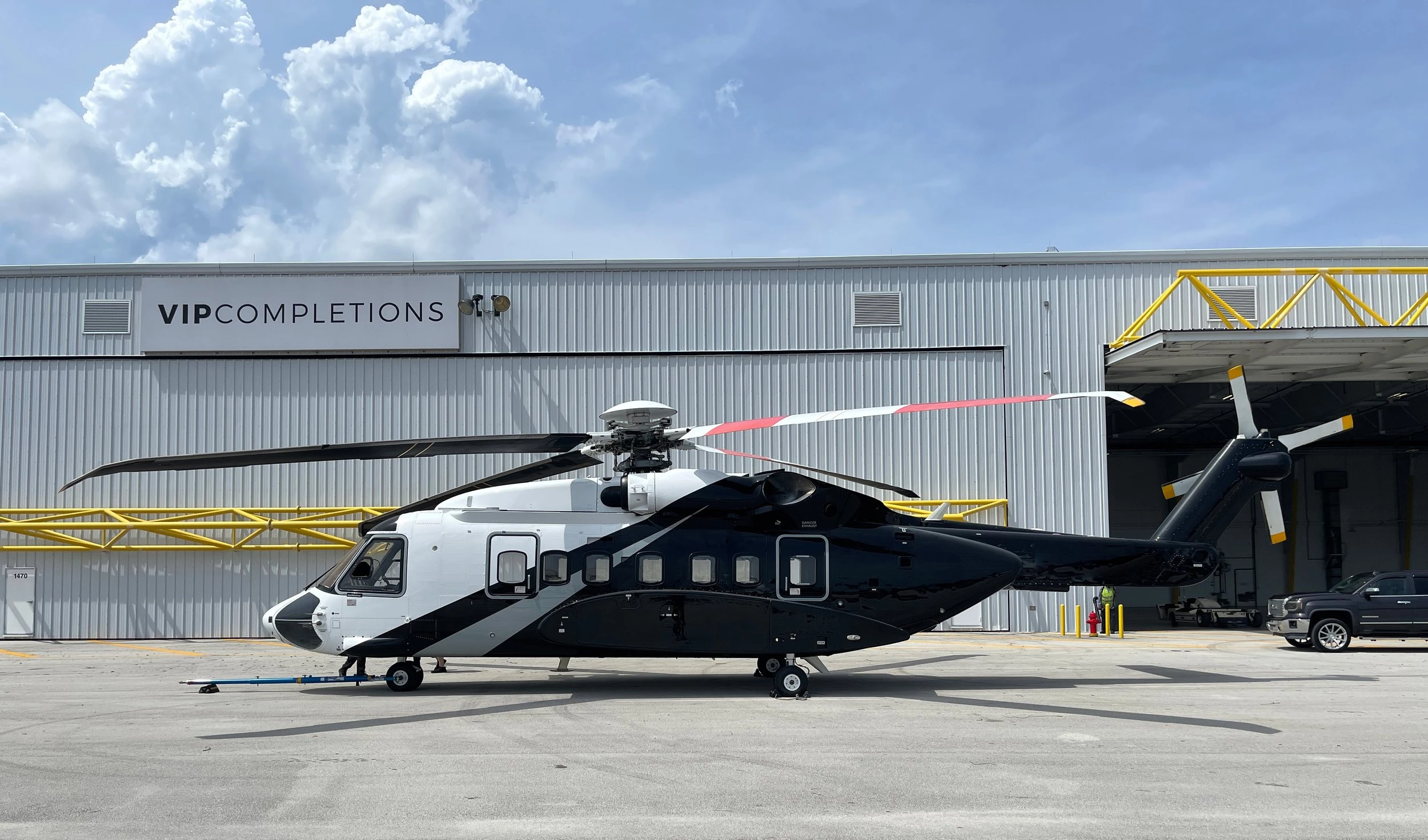
Sikorsky Aircraft has built its reputation on rugged, capable helicopters designed for demanding operations. The S 76 serves as the standard for offshore oil and gas transport, with proven reliability in harsh marine environments. The S 92 provides heavy lift capability for offshore operations requiring extended range and increased passenger capacity. Both models incorporate advanced safety systems including dual channel autopilots and full IFR certification, features that are essential for commercial operations in challenging conditions.
Leonardo Helicopters, the commercial division of the Italian aerospace company, produces the AW109 and AW139 series that serve corporate, EMS, and utility markets. The AW139 has gained particular traction in the United States among operators requiring medium twin performance with excellent payload capacity and range. Its spacious cabin accommodates multiple stretchers for medical missions or comfortable seating for up to fifteen passengers in corporate or utility configurations.
Helicopter operations in the United States are governed by Federal Aviation Regulations that vary by mission type. Part 91 covers general operations including personal and corporate flying, Part 135 applies to commercial operations such as charter and EMS, and Part 133 governs external load operations. Each regulatory framework imposes specific requirements for aircraft maintenance, crew qualifications, and operational procedures designed to ensure safety.
Pilot licensing for helicopters requires dedicated rotorcraft training, with separate ratings for helicopters distinct from airplane certificates. Commercial helicopter operations typically require pilots to hold commercial certificates with instrument ratings, and many insurance companies impose minimum flight time requirements before providing coverage. Type ratings are required for helicopters exceeding certain weight thresholds or operating under specific rules, adding to the training burden and operating costs.
Maintenance requirements for turbine helicopters are extensive, with inspections required at intervals measured in flight hours or calendar months. Component overhauls including engines, transmissions, and rotor systems represent major cost events that buyers must plan for when evaluating ownership economics. Many operators participate in manufacturer maintenance programs that provide parts, labor, and component coverage in exchange for hourly fees, offering cost predictability in return for slightly higher total expenditure.
Purchasing a turbine helicopter requires careful evaluation of mission requirements, performance characteristics, and total lifecycle costs. Buyers must assess whether single or twin engine configurations best match their operational needs, balancing the redundancy and commercial operating authority of twins against the lower acquisition and operating costs of single engine aircraft. Mission profile analysis should include typical payload requirements, environmental conditions, altitude performance, and regulatory constraints that may dictate specific aircraft capabilities.
Pre purchase inspections for helicopters are comprehensive, often requiring specialized tooling and technical expertise possessed only by authorized service centers or experienced independent maintenance facilities. Inspectors evaluate dynamic components including rotor systems and transmissions, engine condition through borescope and performance testing, airframe corrosion particularly in aircraft with offshore or coastal exposure, and avionics functionality. Buyers should review maintenance records extending throughout the aircraft history, looking for evidence of consistent maintenance practices and compliance with all applicable airworthiness directives and service bulletins.
Financing for helicopters follows patterns similar to fixed wing aircraft, with specialized lenders providing loans based on aircraft value, borrower creditworthiness, and intended use. Down payments typically range from 15 to 25 percent, with amortization periods extending up to 15 years for newer aircraft in high demand. Interest rates reflect broader economic conditions plus premiums for aviation risk and helicopter specific market factors. Many buyers structure ownership through limited liability companies to provide liability protection and facilitate professional management arrangements.
Understanding the total cost of helicopter ownership is essential for buyers to make informed decisions. Direct operating costs including fuel, engine and transmission reserves, scheduled maintenance, and insurance vary widely by aircraft type. Light single engine helicopters such as the Bell 407 or Airbus H125 typically cost between $600 and $900 per flight hour to operate. Light twin engine helicopters including the Bell 429 and Airbus H145 range from $1,200 to $1,800 per flight hour. Medium and heavy twins can exceed $2,500 per flight hour depending on configuration and mission equipment.
Component overhauls represent the largest maintenance expenses in helicopter operations. Main and tail rotor overhauls, transmission overhauls, and engine hot section inspections and overhauls occur at intervals between 1,000 and 5,000 hours depending on component and aircraft type. Individual overhaul costs range from tens of thousands to hundreds of thousands of dollars, making reserves for these expenses critical. Component programs offered by manufacturers and specialized service providers allow operators to pay hourly fees in exchange for coverage of overhaul costs, smoothing cash flow and reducing financial risk.
Hangarage and insurance add to fixed operating costs. Helicopter hangar space commands premium pricing at busy metropolitan airports where demand exceeds supply. Insurance costs reflect aircraft value, pilot experience, and mission type, with EMS and offshore operations typically carrying higher premiums due to the challenging environments and regulatory scrutiny these missions attract. Buyers should obtain detailed insurance quotes before committing to a purchase, as coverage costs can vary significantly and impact overall ownership economics.
Explore available turbine helicopters for sale across the United States, or browse our complete listings of all aircraft types including business jets and turboprops.
Browse our full global inventory of helicopters for sale.
The Bell 407 is among the most widely operated single engine turbine helicopters in the United States, valued for its versatility, reliability, and strong manufacturer support. For twin engine operations, the Airbus H145 and Bell 429 are popular choices, particularly for EMS and corporate missions.
Operating costs vary significantly by aircraft type and mission. Light single engine turbine helicopters typically cost between $600 and $900 per flight hour. Light twin engine helicopters range from $1,200 to $1,800 per flight hour. Medium and heavy twins can exceed $2,500 per flight hour. These figures include fuel, maintenance reserves, and insurance but exclude fixed costs such as hangarage and crew salaries.
Yes. Operating helicopters requires a rotorcraft category rating with helicopter class privileges, which is separate from airplane ratings. Commercial operations require commercial pilot certificates with instrument ratings, and some helicopters require type ratings. Insurance requirements often exceed FAA minimums, with many insurers imposing experience thresholds before providing coverage.
IFR certified helicopters equipped with dual pilot flight controls, autopilots, and appropriate avionics can conduct operations in instrument meteorological conditions when flown by appropriately rated pilots. However, many helicopters operate under VFR only, limiting their utility in poor visibility or low cloud conditions. Buyers should verify aircraft certification and equipment match their operational requirements.