Turboprop aircraft occupy a distinctive position in British aviation, combining jet like reliability and performance with operating economics that suit regional connectivity, utility missions, and specialised applications. The United Kingdom's geography, with its compact distances, numerous islands, and varied terrain, creates ideal conditions for turboprop operations. From scheduled passenger services linking Scottish islands to agricultural survey work across East Anglia, these versatile machines demonstrate remarkable adaptability across diverse roles.
The British market shows strong demand for proven turboprop designs including the Beechcraft King Air family, Pilatus PC-12, and Daher TBM series. These aircraft offer genuine all weather capability, pressurised cabins for passenger comfort, and operating costs substantially below comparable jets. Many corporate operators choose turboprops after careful mission analysis reveals that their requirements don't justify jet acquisition and running expenses. The pre owned market remains active, with British buyers benefiting from thorough maintenance records and established support networks throughout Europe.
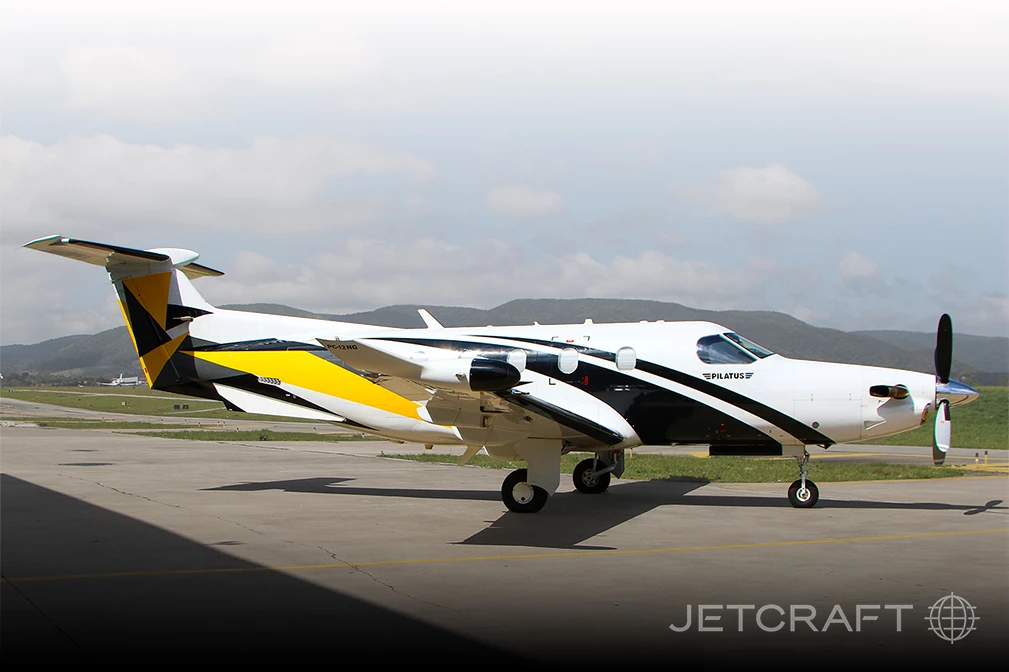
The Pilatus PC-12 has emerged as the dominant single engine turboprop in the United Kingdom, offering an exceptional combination of cabin space, payload capacity, and operating economy. With seating for up to nine passengers, a large cargo door, and the ability to operate from grass strips as short as 2,500 feet, the PC-12 serves roles from executive transport to medical evacuation. British operators appreciate the aircraft's Swiss build quality, Pratt & Whitney Canada PT6A engine reliability, and comprehensive Honeywell avionics suite on recent models.
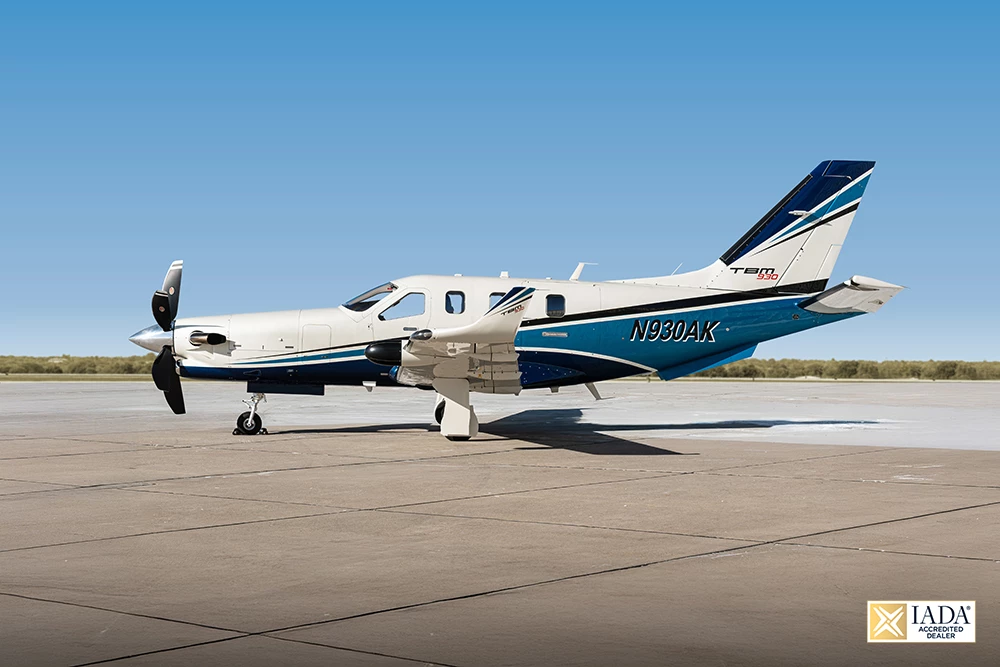
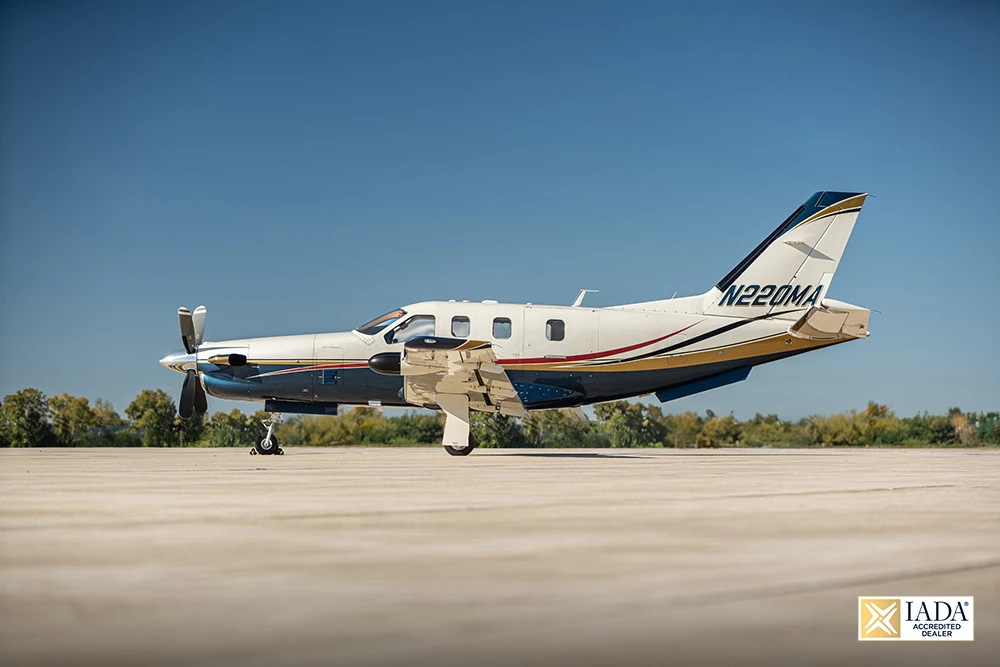
The Daher TBM series appeals to owner pilots seeking high performance in a more sporting package. The TBM 960, current production model, cruises at 330 knots whilst maintaining fuel efficiency that permits ranges exceeding 1,500 nautical miles. The smaller cabin accommodates four to six passengers, adequate for many corporate and personal missions. Several British owners have transitioned to TBMs from high performance piston aircraft, gaining pressurisation and weather capability whilst accepting slightly higher operating costs that remain well below twin turboprops.
Single engine turboprop operating costs typically range from £500 to £900 per flight hour including fuel, engine reserves, and routine maintenance. Insurance and hangarage add to fixed costs, but overall economics prove attractive compared to light jets when missions fall within performance envelopes. The single engine configuration simplifies maintenance requirements and reduces recurrent training costs, though operators must manage regulatory requirements regarding flight over congested areas and operational planning. Many British turboprop buyers initially considered jets before concluding that single engine turboprops better matched their actual requirements.
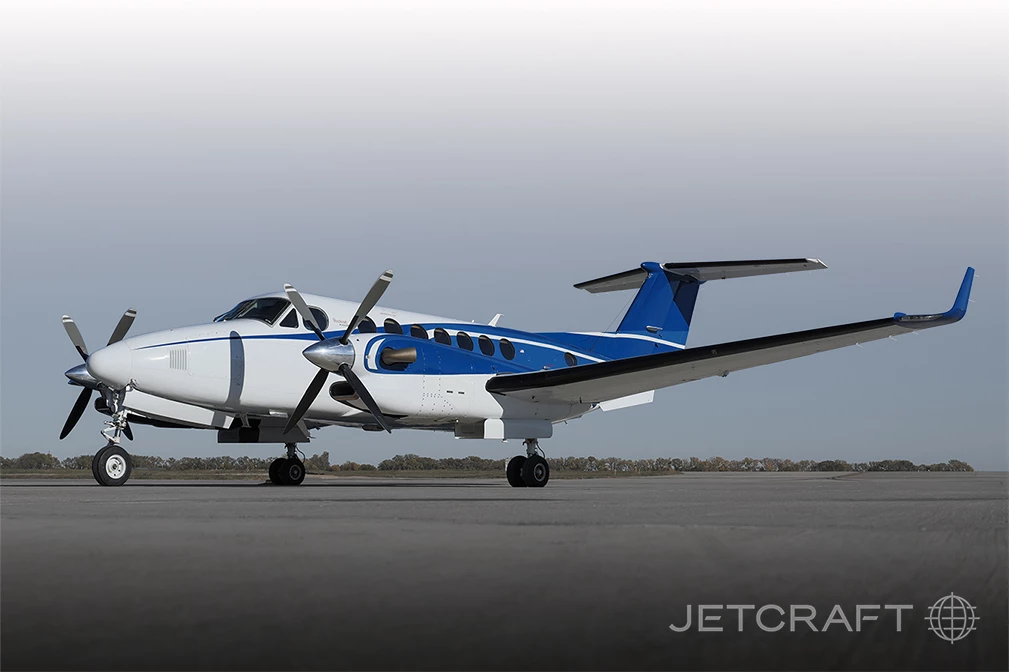
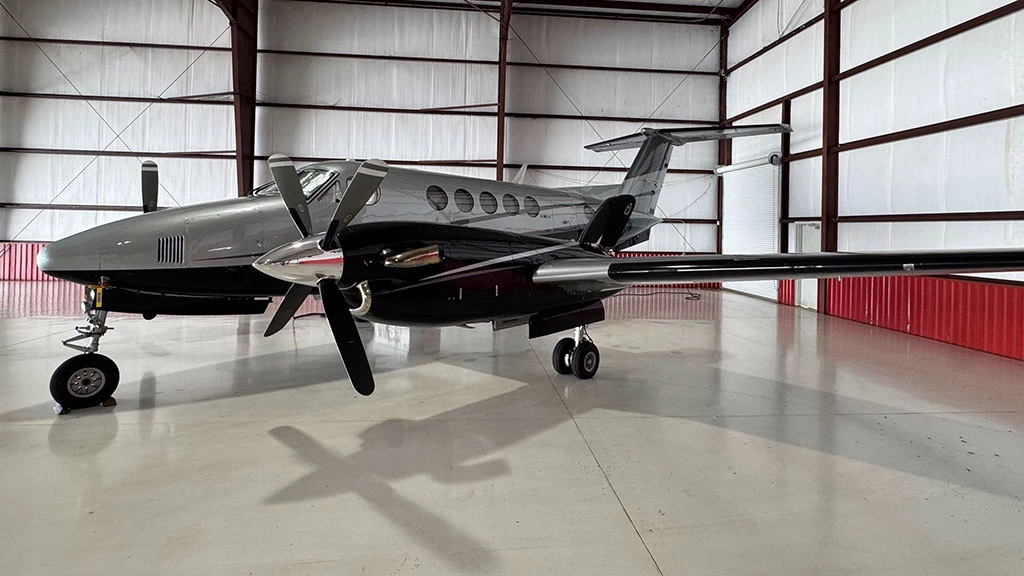
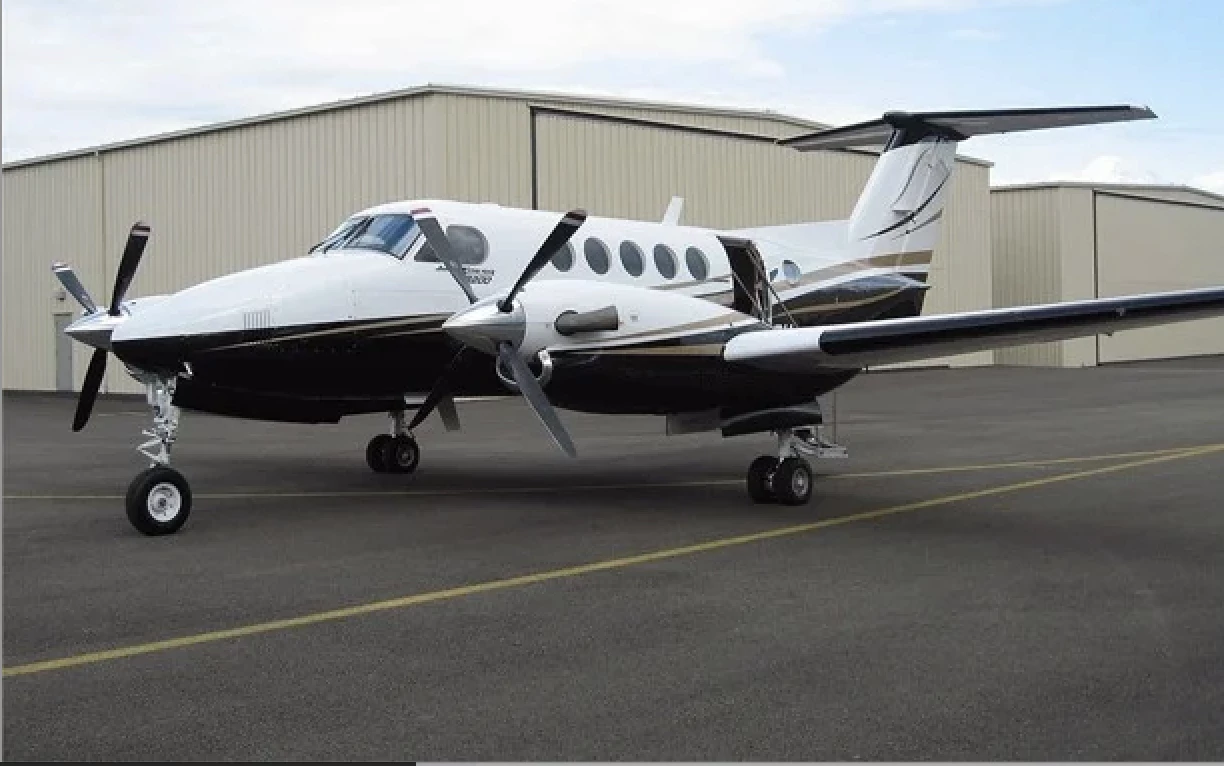
The Beechcraft King Air family represents perhaps the most successful turboprop design in aviation history, with variants serving military and civilian roles worldwide since the 1960s. The United Kingdom hosts substantial King Air populations, from early models conducting agricultural work to modern King Air 360s in corporate service. The type's spacious cabin, twin engine redundancy, and proven systems appeal to British operators requiring reliable transportation in challenging weather conditions common across northern Europe.
The King Air 200 and its derivatives remain highly sought in the used market, offering pressurised accommodation for seven to nine passengers at cruise speeds around 280 knots. These aircraft operate economically from airfields throughout the British Isles, many of which cannot accommodate jets. Maintenance support is widely available, with numerous approved facilities familiar with King Air systems. Parts availability remains excellent even for older variants, supported by Textron Aviation's comprehensive spares network and active salvage market.
Larger King Air 350 models provide additional range and speed, with operating costs around £1,800 to £2,400 per flight hour depending on variant and utilisation. Several British operators conduct charter work with King Airs alongside owner use, generating revenue to offset fixed costs. The type's reputation for reliability and its ability to carry diverse loads including cargo, stretchers, or specialised survey equipment ensure continuing strong values. Buyers seeking twin turboprop capability routinely evaluate King Airs first, though increasing numbers also consider modern alternatives including the Piaggio Avanti series for operators prioritising speed.
Scotland's geography creates unique transportation challenges ideally suited to turboprop solutions. Scheduled services connect remote communities throughout the Highlands and Islands, with operators flying routes that would prove uneconomical with jet equipment. Aircraft including the Britten Norman Islander, Twin Otter, and Saab 340 provide lifeline services, delivering mail, medical supplies, and passenger connectivity to islands including Barra, Tiree, and the Shetlands. These operations often utilise grass strips and beaches, requiring robust airframes and fixed landing gear.
Corporate and private turboprop operations also thrive in Scotland, where weather conditions demand capable aircraft and reliable deicing systems. A PC-12 or King Air based in Edinburgh or Inverness can access the most remote estates, distilleries, and business locations efficiently. Flight times of 30 to 60 minutes replace all day road journeys through mountain passes, with the aircraft landing on private strips maintained by estates and sporting properties. This connectivity proves invaluable for tourism operations, property management, and industrial activities throughout the region.
The Scottish turboprop market shows particular interest in STOL capable types including the Quest Kodiak and later model Cessna Caravans equipped with upgraded engines. These aircraft combine useful load capacity with short field performance, ideal for operations into challenging sites with limited infrastructure. Agricultural aviation across Scottish farmland also employs turboprops, with operators conducting crop spraying, fertiliser application, and livestock management support. The diverse mission profiles demonstrate turboprop versatility and explain strong residual values for capable examples in the British market.
The Channel Islands generate substantial turboprop activity, with scheduled operators providing links between Jersey, Guernsey, and mainland Britain. Aurigny and Blue Islands operate fleets of ATR turboprops on these routes, which prove too short for efficient jet operation yet too long for comfortable light aircraft flights. The mild maritime climate, with frequent low cloud and reduced visibility, demands aircraft with comprehensive avionics and certified approaches to the islands' airports.
Private turboprop operations serve the substantial financial services industries based in Jersey and Guernsey, with corporate aircraft shuttling executives between island offices and London, Edinburgh, or European destinations. The flight time from Jersey to Farnborough occupies just 45 minutes in a PC-12 or TBM, far quicker than commercial alternatives requiring check in procedures and connections. Many island based companies operate their own aircraft or contract with local management companies providing comprehensive flight department services.
Cross Channel turboprop flights to France and Ireland represent routine operations for British based aircraft, with ranges easily accommodating these short international legs. Operators appreciate turboprop fuel efficiency on sectors of 200 to 400 nautical miles, where jets consume disproportionate fuel during climb and descent phases. The ability to access smaller aerodromes in Brittany, Normandy, or southern Ireland without requiring long runways adds operational flexibility. British buyers seeking aircraft for European regional travel should thoroughly evaluate turboprops before committing to more costly jet alternatives.
Beyond passenger transportation, turboprops serve numerous specialised roles throughout the United Kingdom. Aerial survey companies operate aircraft fitted with sophisticated sensor packages, conducting everything from coastal erosion monitoring to thermal imaging of energy infrastructure. The stable platforms and long endurance of types like the Cessna Caravan and King Air suit these missions ideally. Camera ports, sensor operator stations, and data recording systems transform these aircraft into flying laboratories.
Agricultural aviation relies heavily on turboprop power, with operators conducting crop spraying across thousands of acres of British farmland. The Thrush and Air Tractor product lines dominate this segment, purpose designed for chemical application with corrosion resistant structures, large hoppers, and dispersal systems. These agricultural turboprops possess remarkable performance, lifting heavy loads from short grass strips and maintaining precise flight profiles at low altitude. The work proves demanding, requiring skilled pilots and meticulous maintenance to ensure safe operations.
Emergency services including air ambulance operators favour turboprop helicopters for many missions, though fixed wing turboprops serve aeromedical roles where runway infrastructure permits. The ability to fit stretchers, medical equipment, and support personnel whilst maintaining good performance makes King Airs and similar types valuable in critical care transportation. Police forces have operated turboprops for surveillance and patrol duties, though increasing numbers now employ helicopters for greater flexibility. The breadth of specialised roles demonstrates turboprop versatility and ensures healthy demand across the used aircraft market.
Explore turboprop aircraft currently available for acquisition in the United Kingdom and internationally. Our marketplace includes single and twin engine models suitable for corporate transport, utility operations, and specialised missions. Browse turboprops for sale or compare with business jets, helicopters, and other aircraft types to identify the optimal solution for your aviation requirements.
Browse our full global inventory of turboprops for sale.
Turboprops offer substantially lower operating costs, typically 40 to 60 percent below comparable jets. They operate efficiently from shorter runways, accessing more airports throughout the British Isles. Fuel consumption on regional routes proves considerably better, and maintenance tends to be less complex. For missions under 500 nautical miles, turboprops often represent the most economical choice whilst still providing pressurisation and jet like reliability.
The Pilatus PC-12 is extremely popular, offering excellent cabin space, operating economy, and short field performance. The TBM series appeals to owner pilots seeking higher speed in a smaller package. For larger groups or longer range, the Beechcraft King Air 200 and 350 series provide proven capability with widespread support. Selection depends on typical mission profiles, passenger counts, and operational budgets.
Modern turboprops with comprehensive deicing systems, weather radar, and advanced avionics operate safely throughout Scotland in most conditions. The PC-12, King Air series, and similar types feature certified flight into known icing capabilities and equipment for instrument approaches to remote airfields. Professional crews trained in mountain flying procedures safely conduct thousands of flights annually throughout the Highlands.
Direct operating costs include fuel, engine reserves for overhaul, scheduled maintenance, and consumables. For single engine types, total hourly costs typically range from £500 to £900. Twin turboprops like King Airs cost £1,500 to £2,400 per hour. Fixed costs including insurance, hangarage, crew salaries if applicable, and regulatory compliance add to annual budgets. Overall economics remain well below jet operations.