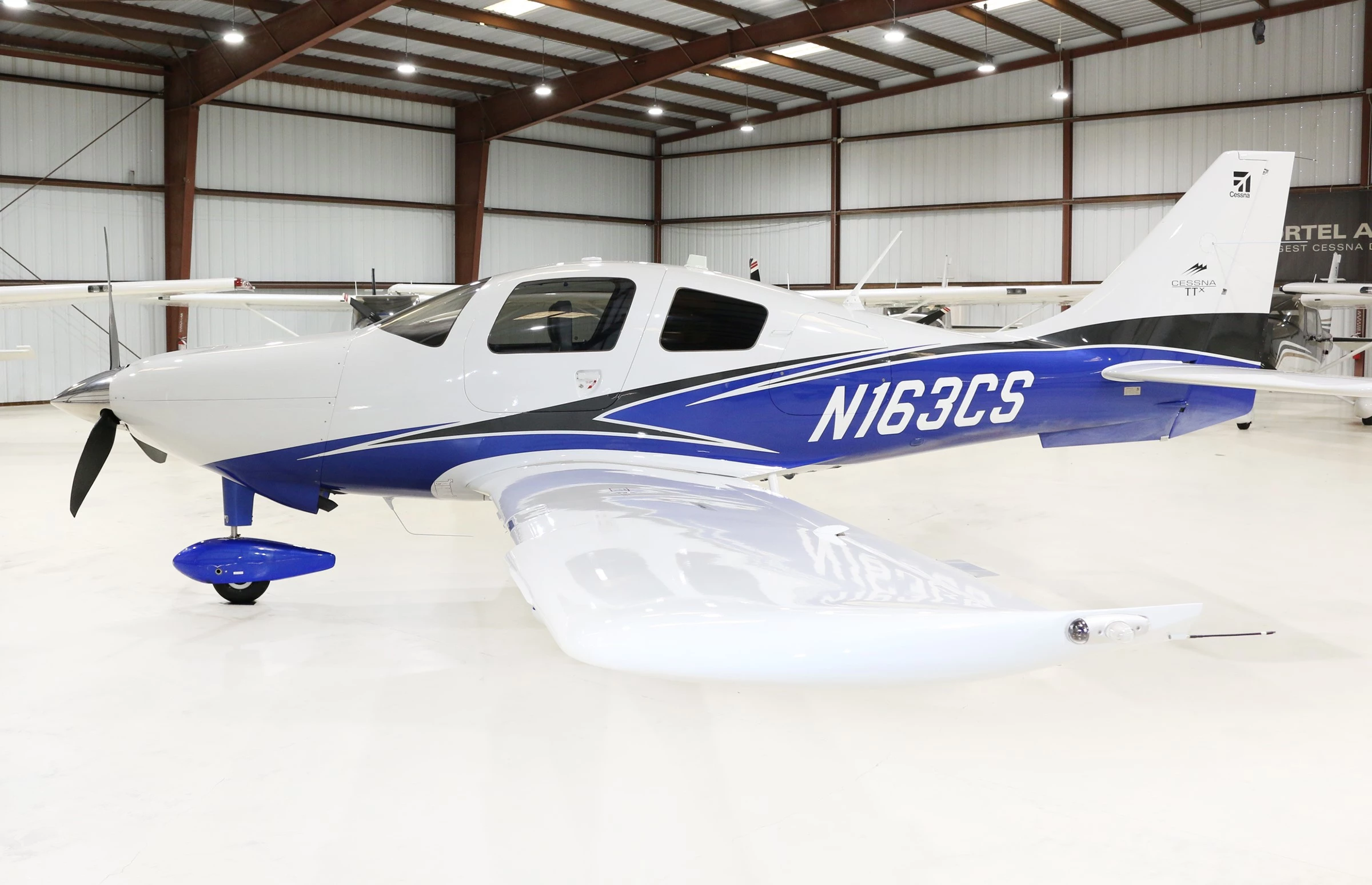
Piston engine aircraft form the foundation of general aviation throughout the United Kingdom, serving flying clubs, private owners, and training organisations across hundreds of airfields. These affordable and accessible machines introduce thousands of Britons to aviation annually whilst also providing capable recreational and personal transportation for experienced pilots. The British piston aircraft market encompasses classic types with decades of service history alongside modern designs incorporating advanced materials, glass cockpit avionics, and fuel efficient engines. From vintage Austers maintained by enthusiasts to brand new Cirrus models featuring airframe parachutes, the diversity reflects the breadth of general aviation participation.
Popular piston types in the United Kingdom include the ubiquitous Cessna 152 and 172 used extensively for training, Piper PA-28 variants favoured for club ownership, and European designs including Robin and Tecnam offering fresh alternatives. The used market remains active, with aircraft regularly changing hands through specialist brokers, online platforms, and private transactions. British buyers benefit from strong legal frameworks protecting purchasers, comprehensive maintenance records, and established airworthiness requirements ensuring consistent standards. Whether seeking your first aircraft for recreational flying or a capable tourer for exploring Europe, the UK market offers excellent choice across all price ranges.
The Cessna 152 remains the most recognisable trainer in British skies, with hundreds operated by flying clubs and approved training organisations throughout the country. This two seat high wing design has introduced generations of pilots to aviation, combining docile handling characteristics with relatively economical operation. Most examples in the UK fleet date from the 1970s and 1980s, maintained to high standards despite considerable accumulated airframe hours. Flying clubs appreciate the 152's forgiving nature, ease of maintenance, and widespread parts availability, though increasing age means operators continuously evaluate replacement options.
The Piper PA-28-140 Cherokee and PA-38 Tomahawk provide alternatives to Cessna products, each with distinct characteristics that generate strong supporter loyalty. The low wing PA-28 offers better ground handling in crosswinds and slightly higher cruise speeds, whilst the Tomahawk features excellent visibility through its bubble canopy. British clubs often operate mixed fleets, allowing student pilots exposure to different handling qualities and cockpit layouts. This diversity proves valuable as pilots progress towards commercial licences and encounter varied aircraft throughout their careers.
Modern training aircraft are gradually entering the British fleet, with types including the Tecnam P2008 and Diamond DA40 offering fuel efficient engines, composite structures, and glass cockpit avionics. These contemporary designs consume significantly less fuel than vintage trainers, with typical consumption around five to six gallons per hour compared to seven to eight for older types. The operating cost savings prove attractive despite higher acquisition prices, particularly for high utilisation training operations. Several British flight schools have transitioned entirely to modern fleets, citing improved student learning outcomes from glass cockpit exposure alongside the economic benefits. Those interested in flight training should evaluate club aircraft carefully, as equipment quality significantly influences the training experience.
The Cessna 172 arguably represents the most successful aircraft design in history, with continuous production since the 1950s and thousands operated worldwide. British examples range from 1960s vintage models through current production G1000 equipped versions. The 172 offers genuine four seat capability with useful load permitting full fuel and passengers on many trips. Its high wing configuration provides excellent downward visibility, important for navigation and sightseeing flights across the scenic British Isles. Operating costs typically range from £120 to £180 per hour depending on variant and fuel prices, positioning the type as affordable personal transportation.
Piper PA-28-180 Cherokee and PA-28-181 Archer variants compete directly with the 172, offering low wing aesthetics and slightly sportier handling. Many British pilots prefer the PA-28's road car like control layout with a central column rather than the Cessna's yokes. Later model Archers equipped with fuel injected engines and modern avionics prove particularly popular, combining proven airframes with contemporary systems. The used market shows healthy activity in four seat tourers, with well maintained examples commanding strong prices reflecting consistent demand from private owners and clubs alike.
European designs including the Robin DR400 series and Socata TB series bring Gallic flair to British general aviation. The DR400 features distinctive cranked wings and side by side front seating with two rear seats, creating an unusually spacious cabin for a light aircraft. These French designs utilise wood and metal construction, requiring maintenance specialists familiar with traditional building methods now uncommon in modern production. British owners of European types often join dedicated owner associations providing technical support and preserving expertise. The diversity of four seat tourers available ensures buyers can find aircraft matching their specific preferences regarding aesthetics, handling, performance, and operating costs. Consider exploring turboprop alternatives if your missions require greater speed or payload capacity beyond piston capabilities.
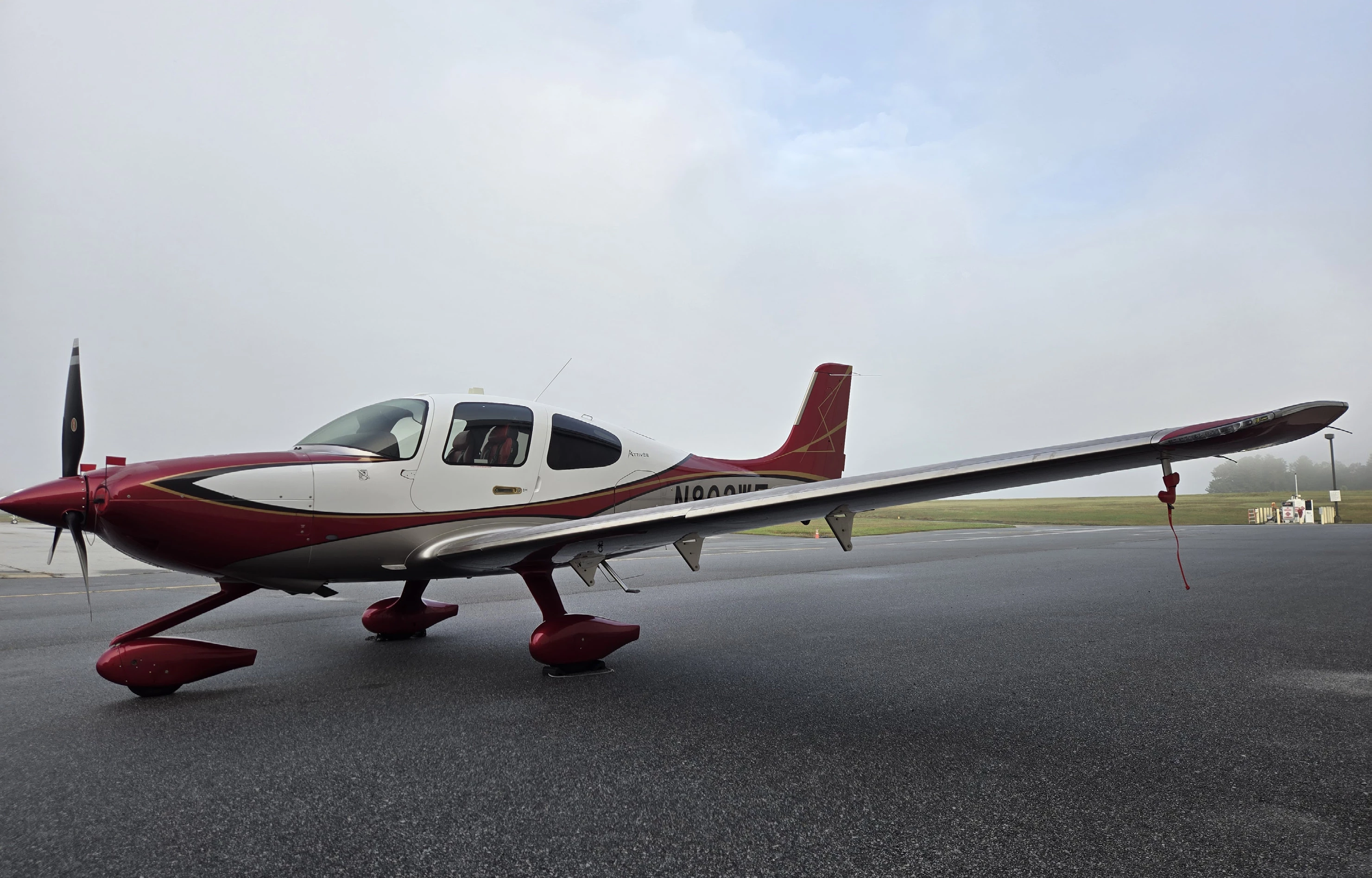
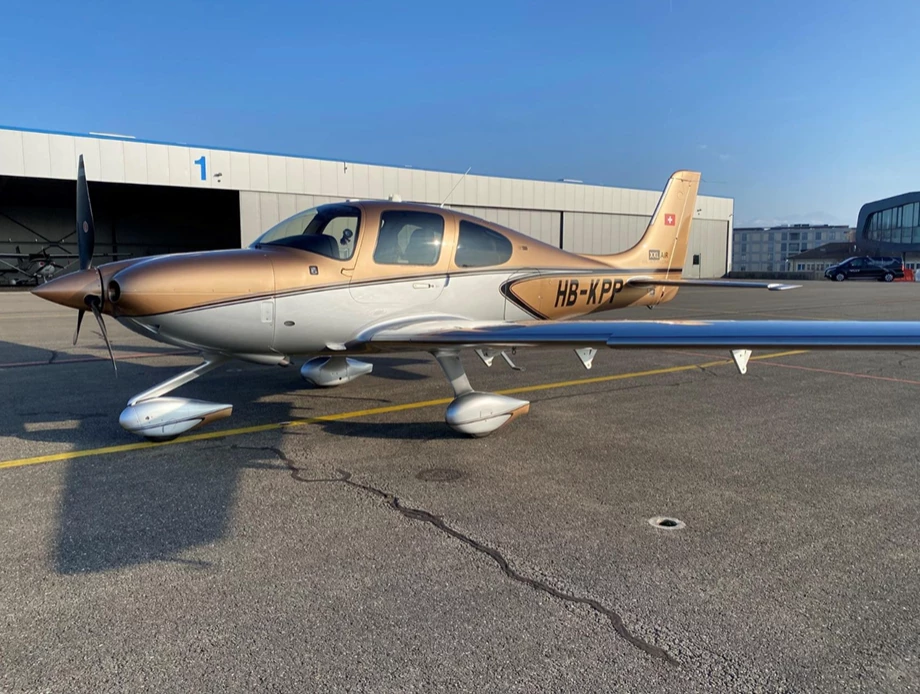
The Cirrus SR22 has revolutionised the high performance piston single market, introducing composite construction, sophisticated avionics, and the unique Cirrus Airframe Parachute System providing whole aircraft emergency recovery. British operators appreciate the SR22's 185 knot cruise speed, comfortable cabin accommodating four adults, and comprehensive Garmin Perspective avionics suite. The type operates economically on 13 to 15 gallons per hour, reasonable for the performance delivered. Several UK based SR22 owners regularly tour continental Europe, with the aircraft's speed and range permitting ambitious itineraries.
Traditional high performance singles including the Piper PA-32 Saratoga and Cessna 210 serve British owners requiring six seat capacity or retractable landing gear for additional speed. These complex aircraft demand more from pilots, with systems management and insurance requirements exceeding simpler fixed gear types. Operating costs rise correspondingly, typically £150 to £250 per hour once engine reserves and maintenance are considered. The additional capability justifies expenses for buyers whose missions involve larger groups or longer distances unsuitable for basic four seat aircraft.
Mooney aircraft represent niche high performance options, famous for efficiency derived from sleek aerodynamic designs and relatively small cabins. A Mooney M20J or M20K can achieve 155 to 180 knot cruise speeds whilst consuming just 10 to 12 gallons hourly, exceptional efficiency for the performance. British Mooney pilots accept tight cabin dimensions in exchange for speed and economy, with the type favoured by tall pilots who appreciate the generous legroom despite narrow width. The specialised nature means fewer maintenance facilities offer Mooney expertise, though dedicated owner communities provide support. High performance piston singles serve as alternatives to light business jets for owner pilots accepting single engine exposure whilst prioritising operating economy.
The United Kingdom hosts an exceptionally active vintage aircraft scene, with owners maintaining impressive collections of classic types spanning aviation history. The Tiger Moth remains beloved for its open cockpit biplane charm, with regular gatherings attracting dozens of examples. Auster aircraft served British forces and civilian operators for decades, with survivors now cherished for their fabric covered simplicity and taildragger handling. These vintage types require specialised maintenance skills including fabric work and traditional welded steel tube structures, knowledge preserved by dedicated engineers and owner maintainers working under Light Aircraft Association supervision.
Permit to Fly aircraft regulated under LAA oversight provide affordable recreational flying outside the more stringent Certificate of Airworthiness regime. Types ranging from amateur built designs to production aircraft issued permits benefit from streamlined maintenance requirements and owner involvement in upkeep. The Permit system has enabled continuation of many vintage aircraft that would prove uneconomical under full certification rules. British recreational pilots appreciate the flexibility and cost savings, though accept restrictions including prohibition of commercial operations and flight over congested areas in most cases.
Microlight aviation has expanded dramatically in recent decades, with modern three axis types offering capabilities approaching traditional light aircraft whilst benefiting from simpler licensing and lower operating costs. Designs including the Eurofox, Ikarus, and Best Off Skyranger provide enclosed cabins, cruise speeds exceeding 100 knots, and operating costs around £40 to £60 hourly. The National Private Pilot Licence introduced in recent years bridges traditional private pilot licencing and microlight privileges, creating flexible pathways into recreational aviation. British airspace welcomes diverse aircraft types from gliders to warbirds, reflecting the nation's strong aviation heritage and continuing enthusiasm for all forms of flying. Those exploring recreational aviation should investigate the full range of aircraft options including ultralights and vintage types alongside conventional certificated aircraft.
Purchasing a piston aircraft in the United Kingdom requires careful evaluation of airworthiness status, maintenance history, and regulatory compliance. All aircraft on the UK register must hold current Certificates of Airworthiness or Permits to Fly issued by the CAA or LAA respectively. Thorough pre purchase inspections conducted by qualified surveyors remain essential, examining airframe condition, engine status, avionics functionality, and documentation completeness. British buyers should verify that maintenance has followed approved schedules and that all mandatory modifications and inspections are current.
Financing options for piston aircraft acquisitions include traditional secured loans from specialist aviation lenders, though many buyers purchase outright given the relatively modest values compared to turbine equipment. Insurance costs vary widely based on pilot experience, aircraft type, and intended use, with typical annual premiums ranging from £800 to £3,000 for common single engine types. New pilots or those transitioning to higher performance aircraft may face higher premiums or requirements for additional training before coverage commences. Obtaining insurance quotations before finalising purchases prevents unwelcome surprises.
Ongoing costs beyond flying hours include hangarage or tiedown fees, annual insurance, scheduled inspections, and eventually engine overhaul reserves. Hangarage throughout the United Kingdom typically costs £1,500 to £5,000 annually depending on location and facility quality, with southeast England commanding premium rates. Total annual costs for modest utilisation of a simple four seat single might total £8,000 to £12,000, substantial commitment requiring careful budgeting. Group ownership through syndicates provides attractive alternatives, spreading fixed costs amongst multiple pilots whilst maintaining regular access. Many British pilots begin with syndicate participation before progressing to sole ownership as experience and resources permit. Those uncertain whether piston aircraft meet their requirements might also evaluate helicopters offering different operational capabilities.
Explore piston aircraft currently available throughout the United Kingdom and internationally via our comprehensive marketplace. Listings encompass trainers, four seat tourers, high performance singles, and vintage types suitable for all experience levels and budgets. Browse aircraft for sale across all categories, or investigate alternatives including turboprops, business jets, and helicopters to identify your ideal aviation solution.
Browse our full global inventory of piston aircraft for sale.
The Cessna 152 remains the most common trainer, with hundreds operated by flying clubs nationwide. The Piper PA-28 Cherokee and PA-38 Tomahawk provide alternatives. Modern options include the Tecnam P2008 and Diamond DA40, offering better fuel efficiency and glass cockpit avionics. Most British students begin training in high wing Cessnas before progressing to more varied types.
Direct operating costs for types like the Cessna 172 typically range from £120 to £180 per hour including fuel, engine reserves, and maintenance. Fixed costs add substantially, with annual expenses including insurance (£800 to £3,000), hangarage (£1,500 to £5,000), and scheduled inspections. Total annual costs for modest utilisation might reach £8,000 to £12,000, though group ownership through syndicates reduces individual burden.
Vintage aircraft offer unique flying experiences and strong community support but require specialised maintenance knowledge and may have higher operating costs. Modern designs provide better fuel efficiency, contemporary avionics, and often improved safety features. Consider your priorities regarding authenticity versus convenience, available maintenance support, and intended use patterns. Both options have strong followings in the vibrant British general aviation community.
Certificate of Airworthiness aircraft meet full CAA certification standards and can conduct commercial operations. Permit to Fly aircraft regulated by the Light Aircraft Association have streamlined maintenance requirements and allow owner involvement but face restrictions including prohibition of commercial use and limitations over congested areas. Permits suit recreational operations and enable continuation of vintage types that would prove uneconomical under full certification.