The United Kingdom maintains one of Europe's most diverse helicopter markets, encompassing everything from small piston trainers to heavy twin turbines conducting offshore energy support operations. British helicopter activity benefits from a mature regulatory framework administered by the Civil Aviation Authority, extensive maintenance infrastructure, and a skilled workforce including pilots, engineers, and support personnel. The legacy of North Sea oil and gas operations has driven development of some of the world's most capable offshore helicopters, whilst corporate aviation, emergency services, and agricultural sectors all contribute to robust demand across the rotary wing spectrum.
Helicopter acquisitions in the United Kingdom range from private owners seeking recreational machines through to large operators managing substantial fleets for commercial work. Popular types include the Robinson R44 for training and personal use, AgustaWestland AW109 and AW139 for corporate transport, and Sikorsky S-92 alongside Airbus H175 for offshore missions. The British market offers access to well maintained examples with comprehensive logbooks, often available through specialist brokers familiar with rotary wing transactions. Explore our listings of turbine helicopters to discover aircraft matching your operational requirements.
The North Sea energy sector has shaped British offshore helicopter operations since the 1970s, developing safety standards, operational procedures, and aircraft specifications that have influenced the global industry. Aberdeen serves as the primary hub, with purpose built helicopter terminals handling dozens of daily movements transporting workers to installations up to 200 nautical miles from shore. The harsh maritime environment, with frequent poor weather and challenging sea states, demands aircraft specifically designed for these missions with redundant systems, sophisticated avionics, and emergency flotation equipment.
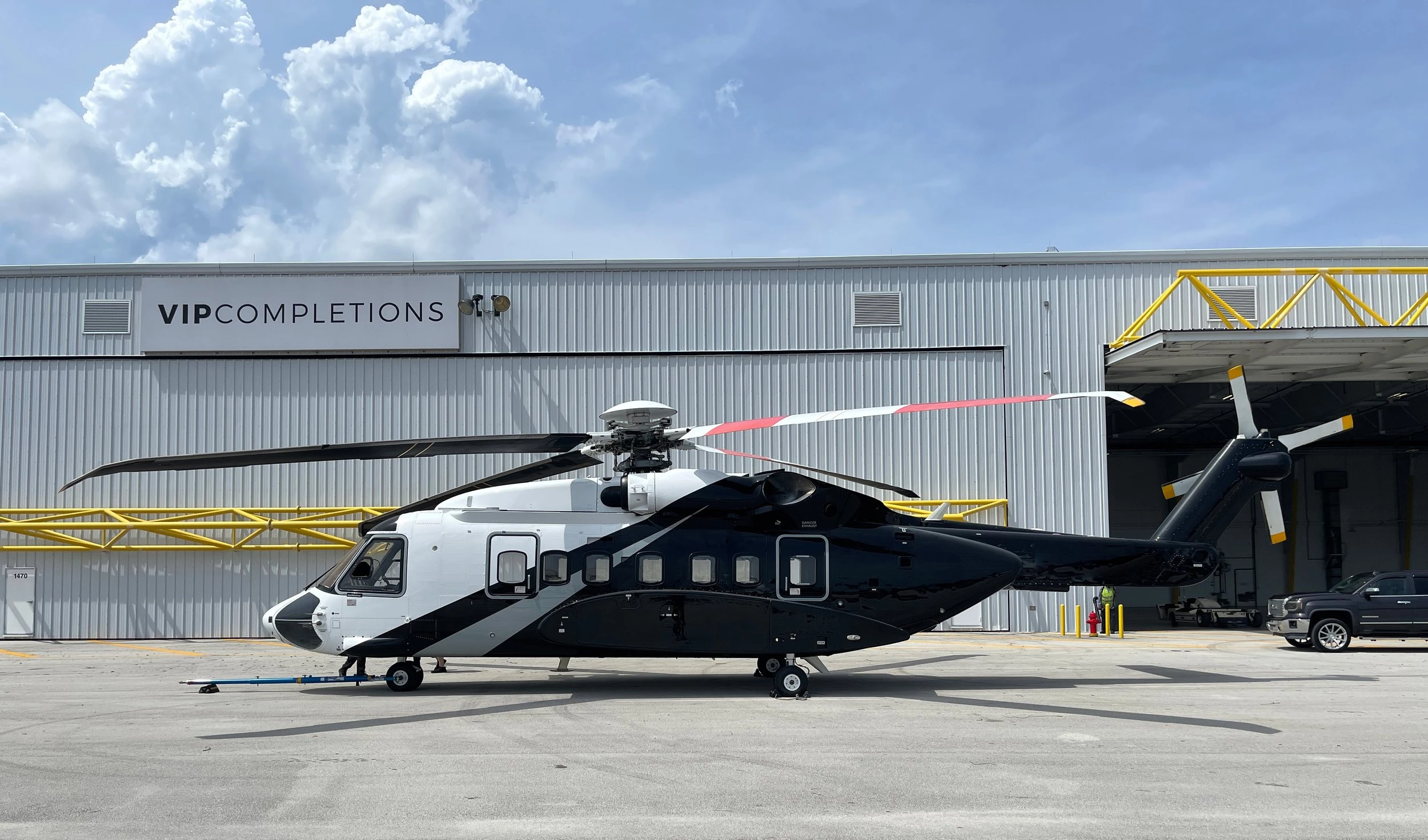
The Sikorsky S-92 has emerged as a dominant type for North Sea operations, offering twin engine reliability, spacious cabin accommodating up to 19 passengers, and excellent performance in demanding conditions. The type entered service following tragic accidents involving earlier generation equipment, bringing substantially improved safety through advanced systems and rigorous certification standards. British operators maintain S-92 fleets to exacting maintenance schedules, with comprehensive inspections and component replacements ensuring airworthiness in this unforgiving operational environment.
The Airbus H175 represents a more recent addition to North Sea fleets, purpose designed for offshore work with emphasis on reliability, passenger comfort, and operating economy. This medium twin offers modern glass cockpit avionics, reduced vibration through advanced rotor systems, and excellent range suitable for distant installations. As the North Sea energy sector transitions towards renewable projects including offshore wind farms, these capable helicopters are adapting to new missions whilst maintaining the safety culture developed through decades of oil and gas support. The specialised nature of offshore operations means these aircraft rarely appear on the open market, with operators typically acquiring new builds directly from manufacturers or through structured fleet renewals.
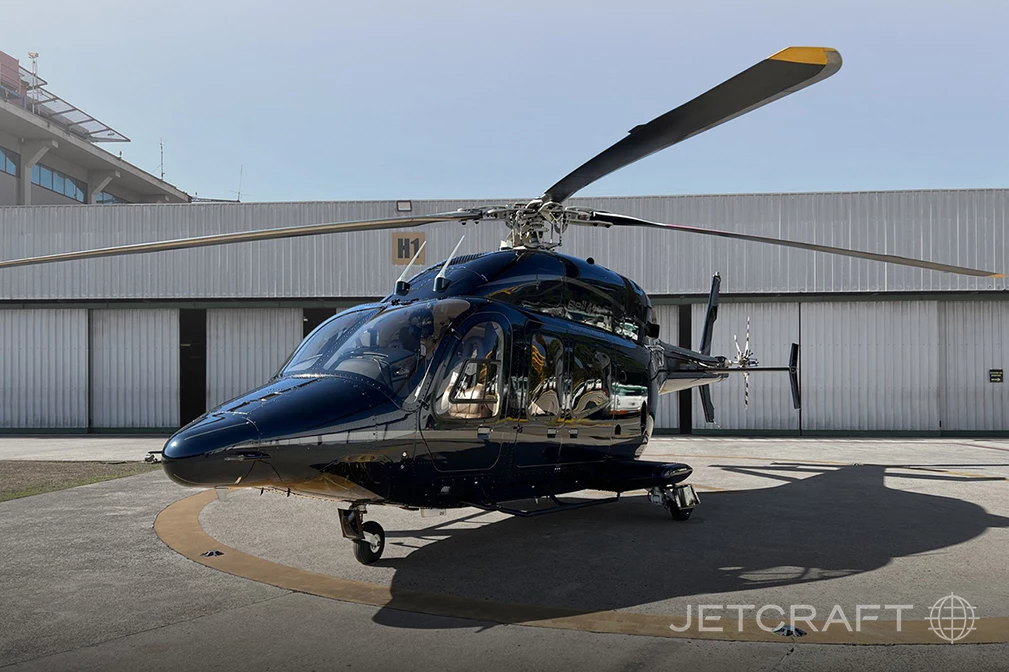
Corporate helicopter operations serve British businesses requiring flexible point to point transportation, particularly in congested southeast England where ground travel times prove prohibitive. The AgustaWestland AW109 family represents a popular choice, offering twin turbine reliability in a light configuration seating five to seven passengers. Later variants including the AW109 Grand and GrandNew feature enhanced range, upgraded avionics, and luxurious cabin appointments. These elegant aircraft operate from dedicated helipads in London and other major cities, delivering executives directly to destinations without airport transits.
The larger AgustaWestland AW139 has gained substantial market share amongst British corporate operators requiring additional cabin space and passenger capacity. This medium twin accommodates up to 15 passengers in standard configuration or features VIP layouts with club seating, refreshment areas, and entertainment systems. The AW139's range of approximately 400 nautical miles permits London to Edinburgh in a single leg, though most corporate missions involve shorter regional hops. Operating costs for the AW139 typically exceed £2,000 per flight hour, yet for time sensitive executives visiting multiple locations daily, the productivity benefits justify expenses.
Smaller corporate helicopters including the Airbus H125 serve single engine operations where twin turbine capability isn't required. The H125's combination of performance, reliability, and economy appeals to businesses seeking helicopter benefits with more modest budgets. British corporate operators must navigate complex airspace restrictions around London and other controlled zones, requiring professional crews familiar with VFR and IFR procedures. Many companies engage specialist management firms providing comprehensive flight department services including crew employment, maintenance oversight, and regulatory compliance. The used market for corporate helicopters shows consistent activity, with well maintained examples commanding strong values reflecting British buyers' quality expectations.
The United Kingdom operates an extensive network of air ambulance services, providing critical care transportation and emergency medical response across all regions. These charitably funded operations typically employ helicopters including the Airbus H135, H145, and Leonardo AW169, each offering twin engine safety, medical equipment installations, and performance suitable for operations from confined landing sites. British air ambulance helicopters reach incident scenes within minutes, delivering advanced medical teams whose interventions significantly improve survival rates for serious injuries and medical emergencies.
Medical equipment fitted to air ambulance helicopters includes stretcher systems, monitoring devices, medication storage, and communications gear enabling coordination with hospital emergency departments. Night vision systems permit operations in darkness, extending service availability beyond daylight hours. Crews include experienced pilots holding commercial licences with instrument ratings alongside specialist paramedics and doctors trained in pre hospital critical care. The operational tempo proves demanding, with aircraft maintaining high availability and conducting multiple missions daily during peak periods.
Police forces throughout the United Kingdom employ helicopters for surveillance, pursuit, and search operations, typically operating types such as the Airbus H135 and H145. These aircraft carry sophisticated sensor packages including thermal imaging cameras, searchlights, and downlink systems transmitting real time video to ground units. Police helicopter operations require specialised training in low level flight, tactical procedures, and coordination with ground resources. Whilst emergency services helicopters don't typically appear in civilian sales channels, the sector's size influences the overall British rotary wing market and provides career opportunities for pilots and engineers throughout the industry.
Agricultural helicopters conduct diverse missions across British farmland, from aerial application of crop treatments to livestock management and pest control. The light single turbines including the Robinson R66 and Airbus H125 suit many agricultural tasks, offering useful payload capacity and operating economy appropriate for seasonal work patterns. Crop spraying demands precise flight control at low altitude, with pilots maintaining consistent height and speed whilst applying chemicals through underwing spray booms. The work proves challenging and requires specialised training beyond standard commercial helicopter ratings.
Utility operations encompass a broad range of tasks including powerline inspection, pipeline patrol, forestry management, and construction support throughout the United Kingdom. Helicopters conducting this work often carry specialised equipment such as cargo hooks for external loads, winches for personnel insertion, and mounting points for survey instruments. The versatility of helicopters in accessing difficult terrain makes them invaluable for infrastructure projects in remote locations. British utility operators often maintain diverse fleets capable of serving multiple mission profiles, maximising aircraft utilisation across the calendar year.
Mountain rescue organisations occasionally employ helicopters for extraction of injured walkers and climbers from challenging locations throughout Scotland, Wales, and northern England. Whilst Royal Air Force and Maritime & Coastguard Agency aircraft handle many such missions, civilian operators also provide support under contract. The demanding nature of mountain flying requires exceptional pilot skills and aircraft equipped for operations in severe weather and difficult winds. These specialised missions demonstrate helicopter capability in the most challenging environments and highlight the importance of thorough training and well maintained equipment. Buyers seeking aircraft for utility work should carefully evaluate mission requirements before committing to specific types.
The United Kingdom hosts numerous helicopter training organisations offering instruction from initial private pilot licences through commercial and instructor ratings. The Robinson R22 and R44 dominate the training fleet sector, providing economical platforms for developing fundamental skills. British flight schools benefit from well established training syllabi, experienced instructional staff, and comprehensive regulatory oversight ensuring consistent standards. Many commercial helicopter pilots begin their careers at British schools before progressing to more advanced ratings and eventually commercial positions.
Private helicopter ownership appeals to high net worth individuals seeking ultimate transportation flexibility, with popular types including the Robinson R44, Airbus H120, and Bell 407. These helicopters accommodate four to six passengers, operate from private helipads, and deliver point to point travel unmatched by any other transportation mode. Operating costs for light helicopters typically range from £400 to £900 per flight hour depending on type, with insurance and hangarage adding to annual budgets. Many private owners complete their pilot training before acquiring aircraft, gaining both a new skill and practical understanding of their machine's capabilities and limitations.
Regulatory requirements for private helicopter operations in the United Kingdom include appropriate pilot licensing, aircraft registration and certification, and compliance with airspace rules. Owners must arrange maintenance through approved organisations, with inspections conducted at intervals specified in aircraft maintenance schedules. The CAA maintains oversight of all rotary wing activity, investigating incidents and continuously refining safety regulations. Private helicopter operations coexist with commercial activity throughout British airspace, with all participants benefiting from clear regulations and robust air traffic management. Those considering helicopter acquisition should thoroughly research operational requirements and costs before proceeding, perhaps beginning with rental or fractional ownership arrangements to gain experience before committing to sole ownership.
Discover helicopters currently available for acquisition in the United Kingdom and worldwide. Our listings encompass light singles through heavy twins, serving corporate transport, offshore operations, training, and utility missions. Browse turbine helicopters for sale or explore alternatives including business jets, turboprops, and other aircraft types to identify the ideal solution for your aviation requirements.
Browse our full global inventory of helicopters for sale.
The Sikorsky S-92 and Airbus H175 dominate North Sea offshore work, both specifically designed for long range maritime operations in harsh conditions. These heavy twin turbines offer redundant systems, advanced avionics, emergency flotation equipment, and capacity for up to 19 passengers. The demanding environment requires exceptional maintenance standards and highly trained crews.
Light corporate helicopters like the AgustaWestland AW109 cost approximately £1,200 to £1,800 per flight hour including fuel, maintenance reserves, and inspections. Medium twins such as the AW139 typically exceed £2,000 per hour. Fixed costs including insurance, hangarage, crew salaries, and regulatory compliance add substantially to annual budgets. Overall expenses are significant but justified by productivity benefits for time sensitive operations.
Yes, private helicopter ownership is permitted with appropriate licensing and aircraft registration. Owners must hold valid pilot licences, maintain their aircraft through approved organisations, and comply with CAA regulations regarding operations and airspace. Popular types for private use include the Robinson R44, Airbus H120, and Bell 407. Operating costs and regulatory requirements demand careful consideration before acquisition.
Commercial helicopter operations require a Commercial Pilot Licence (Helicopters) obtained through approved training organisations. Training typically requires 150 to 200 flight hours including navigation, instrument flying, and commercial manoeuvres. Students must pass written examinations covering air law, meteorology, navigation, and aircraft systems. Many pilots begin with private licences before progressing to commercial ratings and then accumulate experience in training, agricultural, or utility roles before securing corporate or offshore positions.