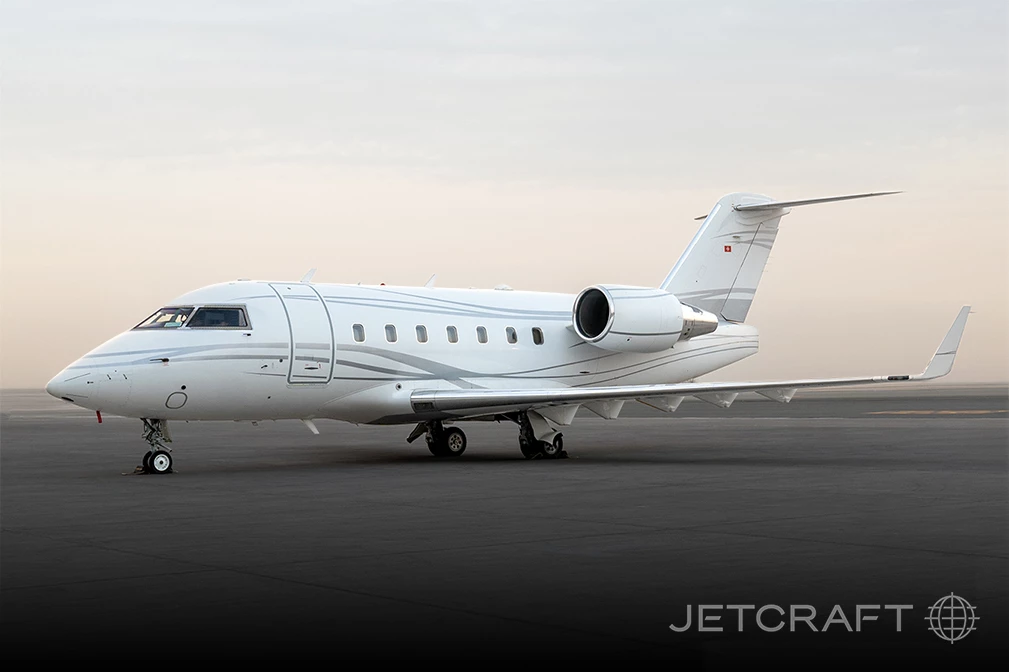
The United Kingdom represents one of Europe's most active markets for business jet acquisitions, driven by London's status as a global financial hub and the country's extensive international business connections. Corporate flight departments and charter operators seek aircraft capable of serving demanding European city pairs whilst also offering transatlantic capability for North American routes. The British market favours proven types from established manufacturers, with particular emphasis on reliability, cabin comfort, and operating economics that justify the substantial investment required.
Buyers in the United Kingdom benefit from a mature support infrastructure including maintenance organisations approved under both UK and EASA regulations, experienced aircraft management companies, and specialised financial institutions familiar with aviation transactions. Whether acquiring a light jet for domestic and near European travel or a large cabin aircraft for intercontinental missions, British buyers have access to comprehensive professional services. Browse our selection of business jets to discover aircraft meeting your operational requirements.
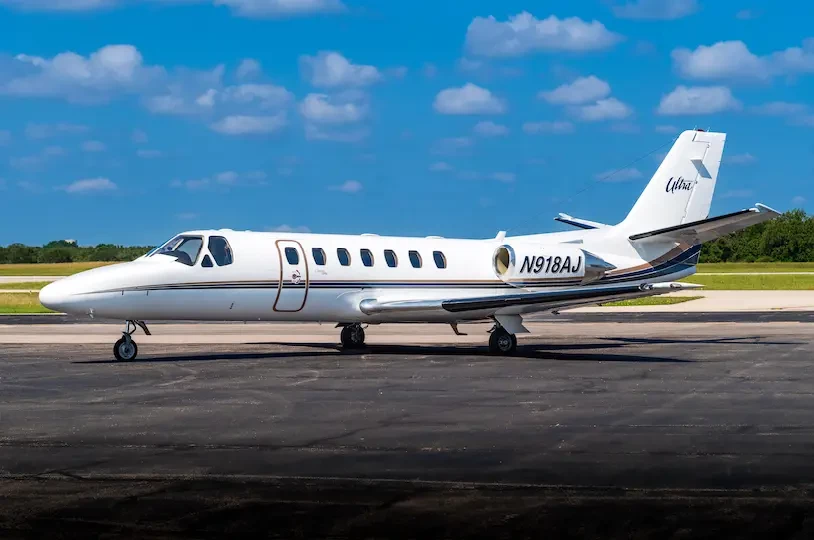
Light jets have gained substantial popularity amongst British operators seeking efficient solutions for European travel without the operating costs associated with larger aircraft. Types such as the Embraer Phenom 300, Cessna Citation CJ series, and HondaJet offer genuine jet performance with relatively modest direct operating costs. These aircraft typically accommodate four to seven passengers in comfortable cabins whilst delivering cruise speeds around 400 knots and ranges sufficient for most European city pairs from UK bases.
The operational flexibility of light jets makes them particularly attractive for corporate flight departments serving multiple British locations. An aircraft based at Farnborough can reach Paris, Amsterdam, Geneva, or Frankfurt within two hours, providing door to door journey times far superior to commercial airline alternatives once ground transportation and security processing are considered. Many light jets can operate from shorter runways, expanding the network of accessible airports and enabling closer proximity to final destinations.
Running costs for light jets typically range from £1,200 to £2,000 per flight hour depending on specific type and utilisation patterns. Whilst significant, these figures compare favourably to midsize alternatives when mission profiles don't require additional range or cabin space. British owners appreciate the predictable economics and widespread maintenance support available for popular light jet types, factors that preserve residual values and ensure reliable availability when travel demands arise.
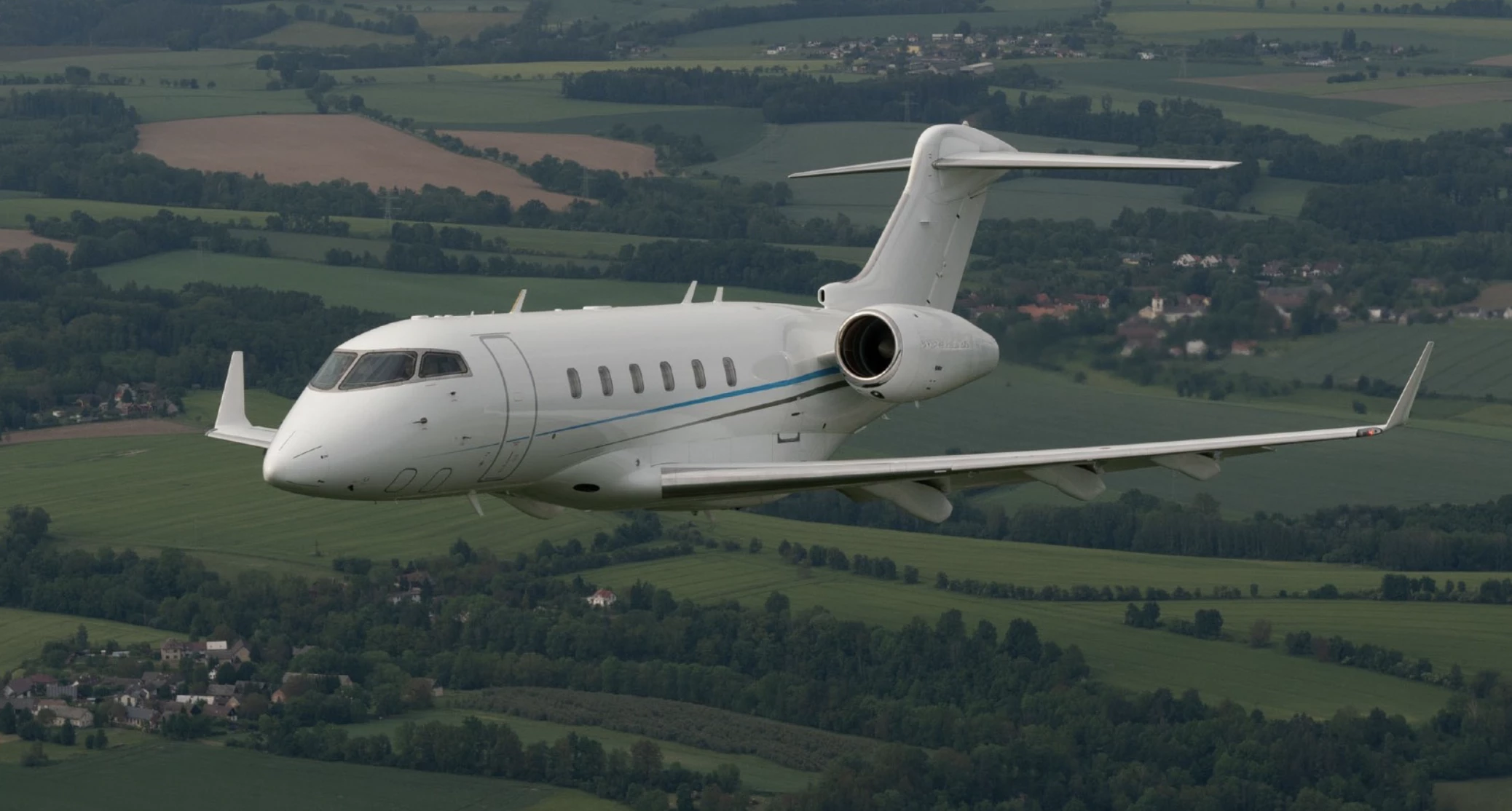
Midsize business jets occupy a strategic position in the corporate aviation market, offering transatlantic capability in many cases whilst avoiding the substantial operating costs of heavy jets. The Cessna Citation Latitude, Bombardier Challenger 350, and Embraer Praetor 500 exemplify modern midsize designs popular with British operators. These aircraft provide standup cabins accommodating eight to ten passengers, ranges approaching or exceeding 3,000 nautical miles, and cruise speeds around 450 knots.
For companies with regular transatlantic requirements alongside European operations, midsize jets deliver exceptional versatility. A Citation Latitude can fly from London to New York with reserves in favourable conditions, whilst also serving shorter European routes efficiently. The cabin space allows productive work environments or comfortable rest on longer flights, important considerations for executives managing demanding schedules across multiple time zones.
British operators of midsize jets benefit from strong residual value trends, particularly for later generation models incorporating advanced avionics and fuel efficient engines. Operating costs typically fall between £2,500 and £4,000 per flight hour, positioning these aircraft as economical solutions for companies flying 200 to 400 hours annually. The combination of capability and running costs explains why midsize jets represent the fastest growing segment in the UK business jet market.
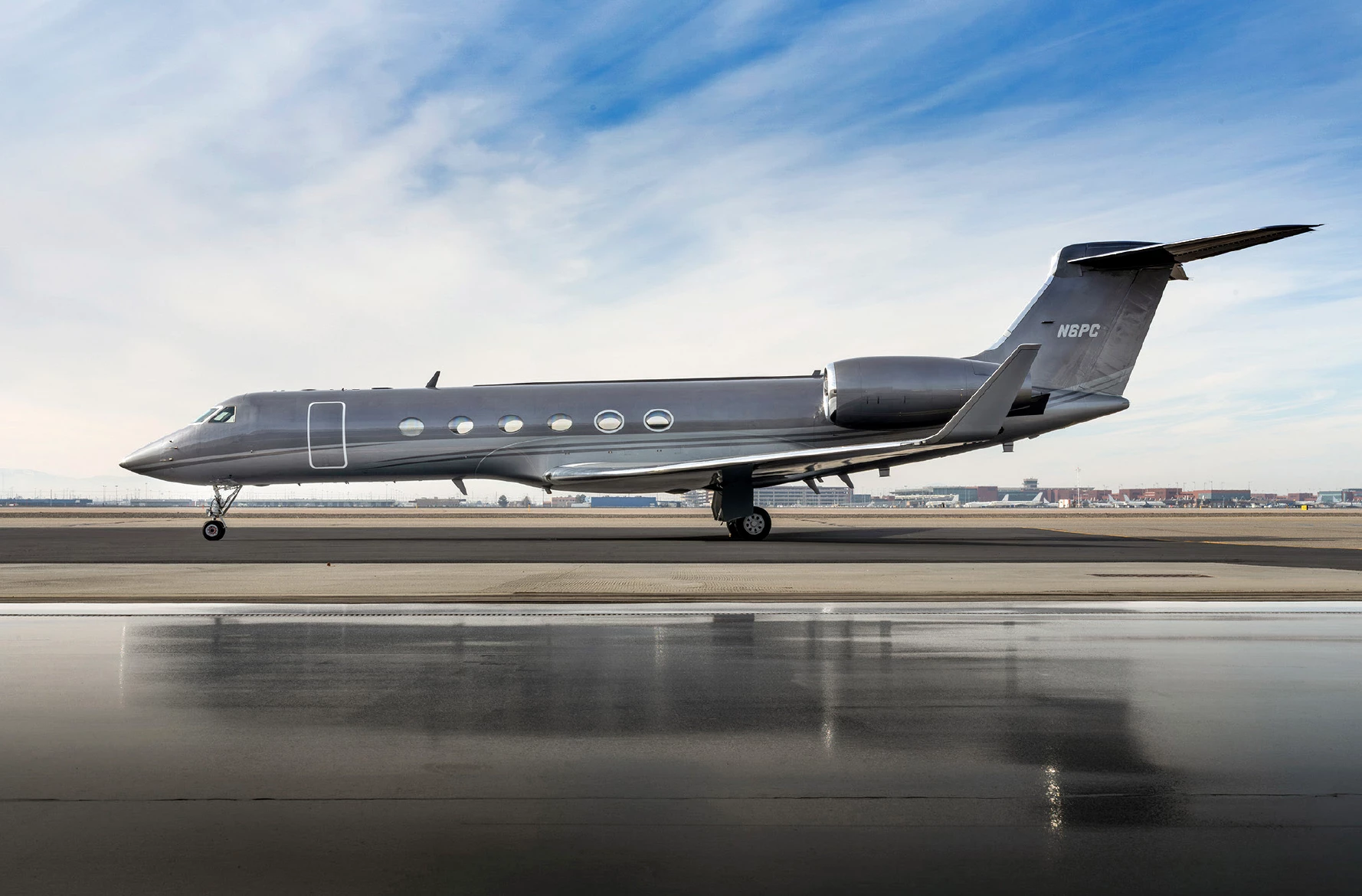
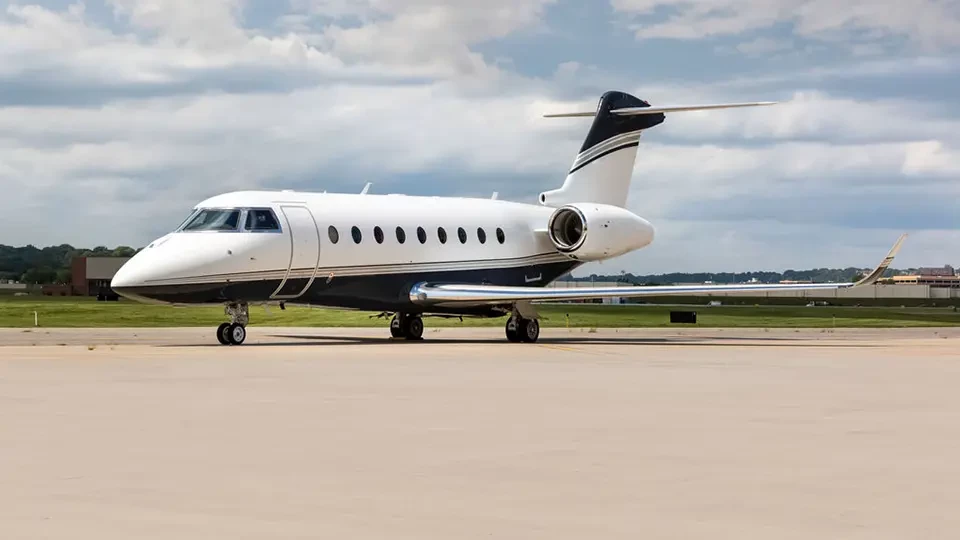
Heavy business jets serve British operators requiring true global capability with spacious cabins accommodating larger groups or providing office and rest areas for extended flights. The Bombardier Global series, Gulfstream G550 and G650, and Dassault Falcon 7X represent the pinnacle of business aviation capability. These sophisticated aircraft fly at altitudes up to 51,000 feet, cruise at speeds approaching Mach 0.90, and achieve ranges exceeding 6,000 nautical miles.
London to Singapore, Dubai to Los Angeles, or other intercontinental routes operate routinely with heavy jets, often nonstop or with a single technical stop. The cabin environments rival luxury hotel suites, with private staterooms, full galley facilities, and advanced entertainment systems. For multinational corporations and ultra high net worth individuals, these aircraft represent flying offices and homes away from home rather than mere transportation.
Operating a large cabin jet in the United Kingdom involves substantial commitment, with hourly costs ranging from £5,000 to over £8,000 depending on type. Fixed costs including insurance, hangarage, and crew salaries add considerably to annual budgets. Despite these figures, demand remains strong amongst operators whose missions justify the expense. The used market for heavy jets shows particular activity in London, with experienced brokers facilitating transactions often exceeding £20 million. Many British based aircraft serve international charter markets when not required for owner use, helping offset operational expenses whilst maintaining crew currency.
Operating a business jet on the UK register requires compliance with Civil Aviation Authority regulations covering aircraft certification, crew licensing, and operational standards. Following Brexit, the CAA administers these requirements independently of EASA, though substantial alignment continues in practice. Aircraft imported from other jurisdictions must undergo validation of their airworthiness status and may require modifications to meet UK standards, particularly regarding equipment specifications and maintenance programme approvals.
Many British operators choose to register their aircraft in jurisdictions such as the Isle of Man, Guernsey, or Bermuda, each offering distinct regulatory and tax frameworks whilst maintaining high safety standards. The Cayman Islands register has historically been popular for larger corporate jets. These alternative registries provide flexibility in structuring ownership and operations whilst ensuring aircraft meet recognised international standards. Professional advice regarding optimal registration jurisdiction forms an essential component of the acquisition process.
Flight crew employed on UK registered business jets must hold appropriate licences issued or validated by the CAA. For many types, initial and recurrent training occurs at specialist facilities in the United States or Europe, where manufacturers operate advanced simulators. The investment in crew training and maintaining currency represents a substantial ongoing commitment, typically requiring two qualified pilots for each aircraft position to ensure availability and regulatory compliance. British business aviation benefits from a deep pool of experienced professional pilots, many with backgrounds in military or commercial airline operations.
The British business jet market has shown resilience through economic cycles, with demand closely tracking financial services activity and international trade volumes. Recent years have seen increased interest in newer aircraft featuring advanced avionics, improved fuel efficiency, and enhanced cabin connectivity. Sustainability considerations are becoming more prominent in acquisition decisions, with operators seeking aircraft capable of using sustainable aviation fuels and demonstrating lower emissions profiles.
Pre owned aircraft represent excellent value for many buyers, particularly when considering depreciation patterns. A five to ten year old business jet often trades at 40 to 60 percent of original list price whilst retaining the majority of useful life and benefiting from mature support networks. Thorough pre purchase inspections by qualified surveyors remain essential, examining airframe condition, engine status, avionics compliance, and maintenance record completeness. British buyers typically engage specialist aviation lawyers to structure transactions and review contractual terms.
Financing options for business jet acquisitions include traditional secured loans, operating leases, and more complex structures involving special purpose vehicles. British financial institutions with aviation experience can arrange competitive terms for qualified buyers. Some operators prefer outright ownership for accounting and operational flexibility, whilst others value the balance sheet benefits of lease arrangements. Those exploring business jet acquisition should evaluate all aircraft categories including turboprops to ensure the selected type genuinely matches mission requirements and budget constraints.
Discover business jets currently available in the United Kingdom and internationally through our comprehensive marketplace. Whether you seek a light jet for European operations or a large cabin aircraft for global travel, our listings include detailed specifications and contact information for qualified sellers. Explore business jets for sale or compare alternatives including turboprop aircraft and helicopters to identify your ideal aviation solution.
Browse our full global inventory of business jets for sale.
Light jets including the Embraer Phenom 300 and Cessna Citation CJ series are popular for European operations. Midsize aircraft like the Cessna Citation Latitude and Bombardier Challenger 350 balance capability with economy. Heavy jets such as the Bombardier Global series and Gulfstream models serve operators requiring intercontinental range.
Operating costs vary significantly by aircraft type. Light jets typically cost £1,200 to £2,000 per flight hour, midsize jets £2,500 to £4,000 per hour, and large cabin jets £5,000 to over £8,000 per hour. Fixed costs including insurance, hangarage, crew salaries, and maintenance reserves add substantially to annual budgets.
Registration jurisdiction depends on operational requirements, tax considerations, and ownership structure. The UK register offers direct CAA oversight and is suitable for many operators. Alternative jurisdictions including the Isle of Man, Guernsey, Cayman Islands, and Bermuda provide different regulatory and tax frameworks. Professional advice is essential for optimising registration decisions.
Pre owned business jets often represent excellent value, particularly aircraft five to ten years old that trade at 40 to 60 percent of original prices whilst retaining most useful life. Thorough pre purchase inspections and maintenance record reviews are essential. Many British buyers prefer pre owned aircraft to avoid the steepest depreciation whilst still acquiring capable, well supported types.