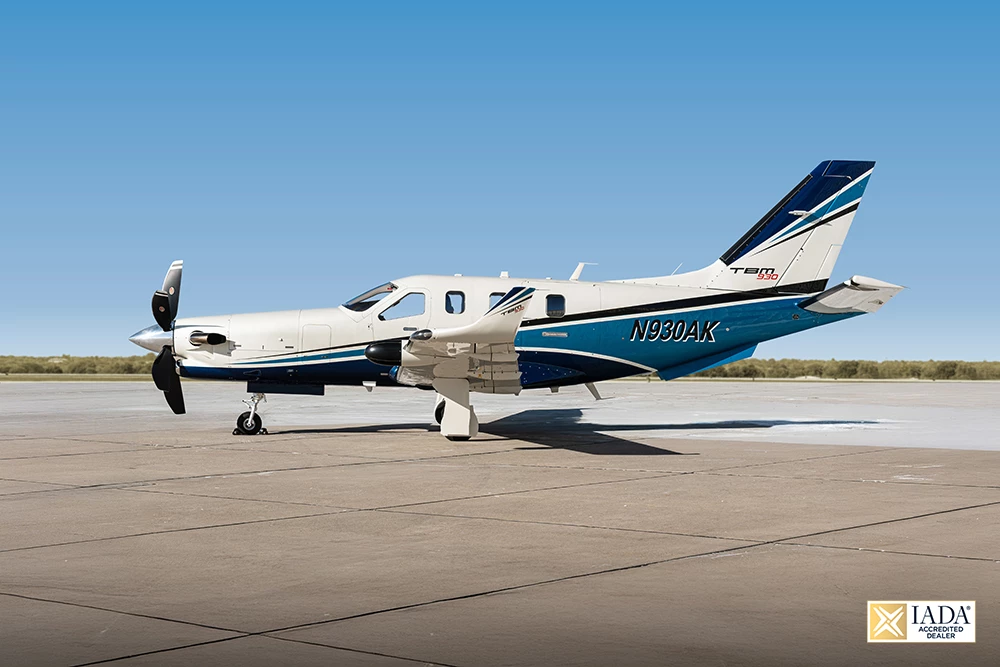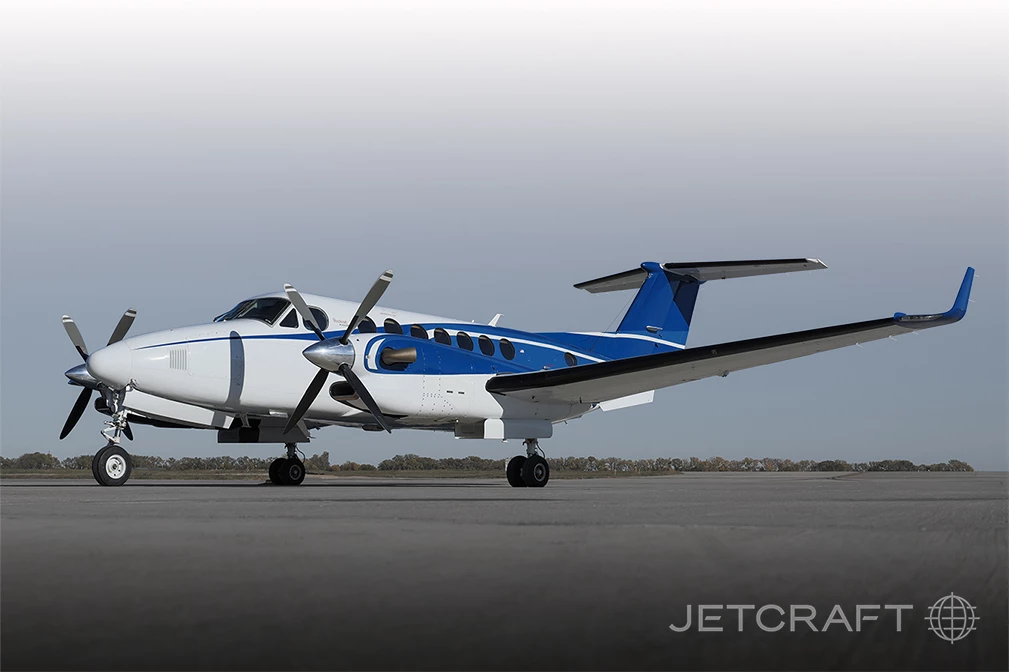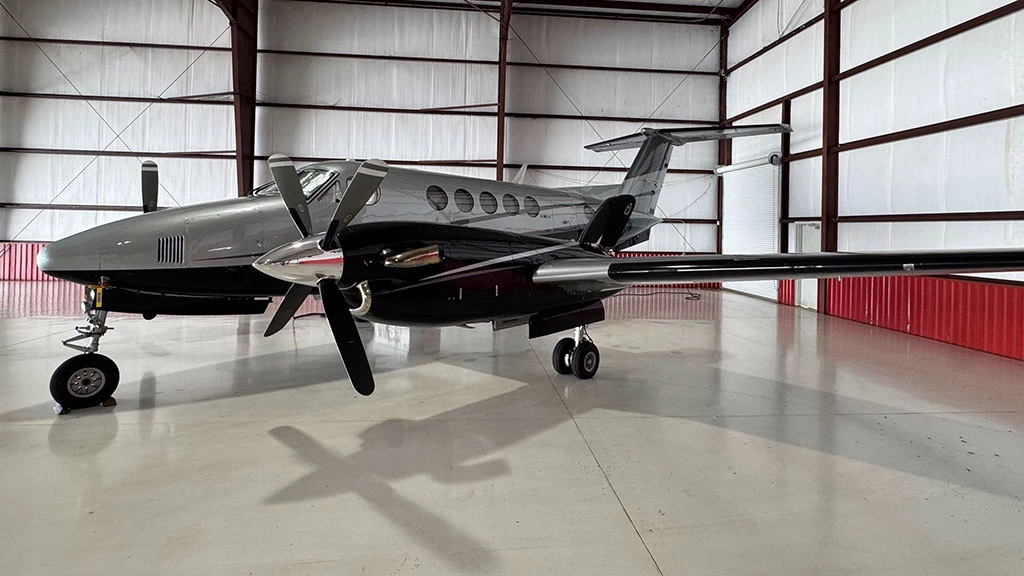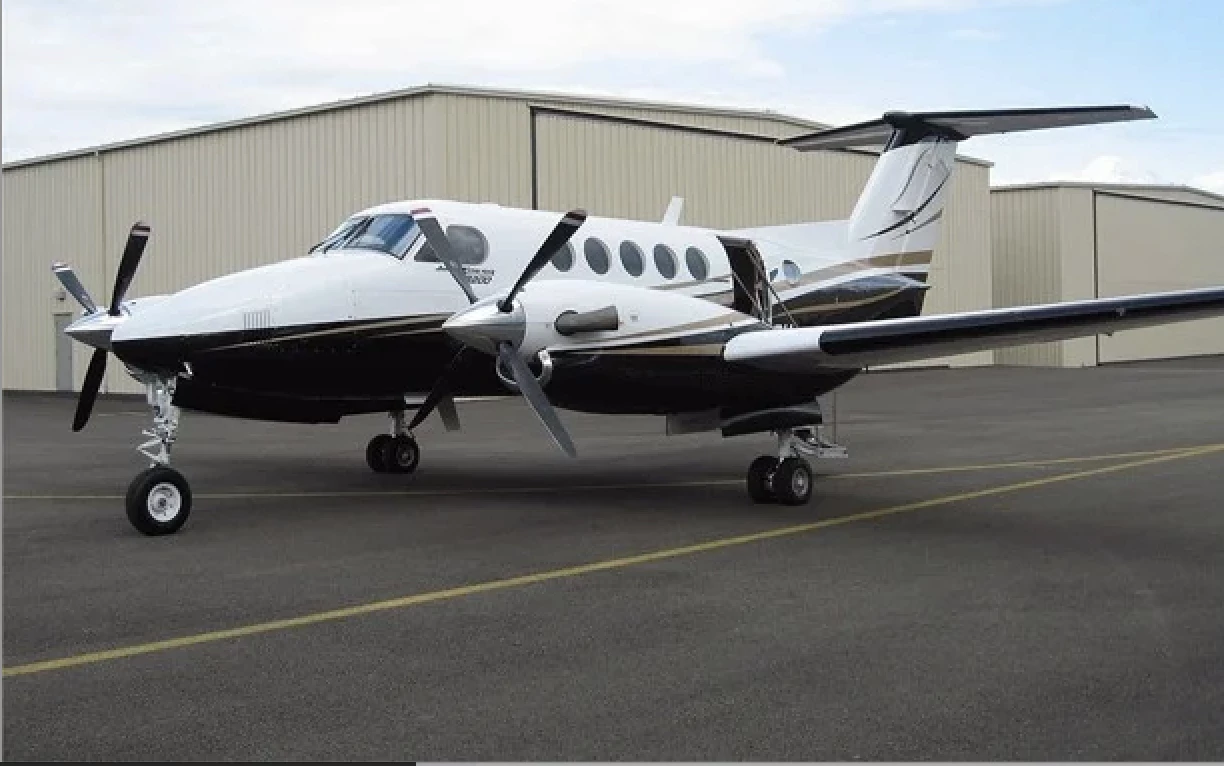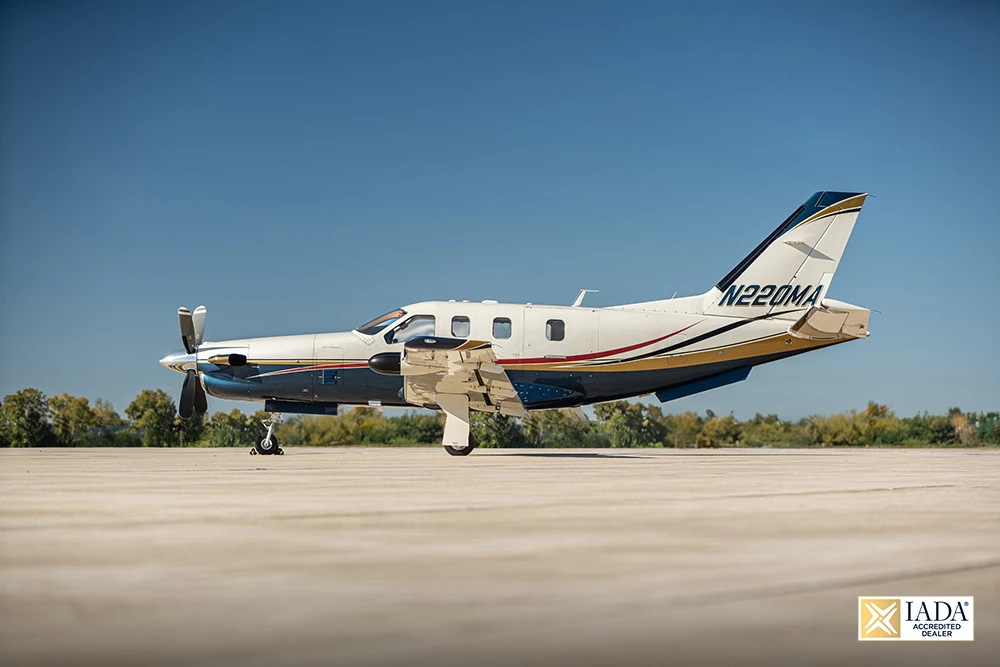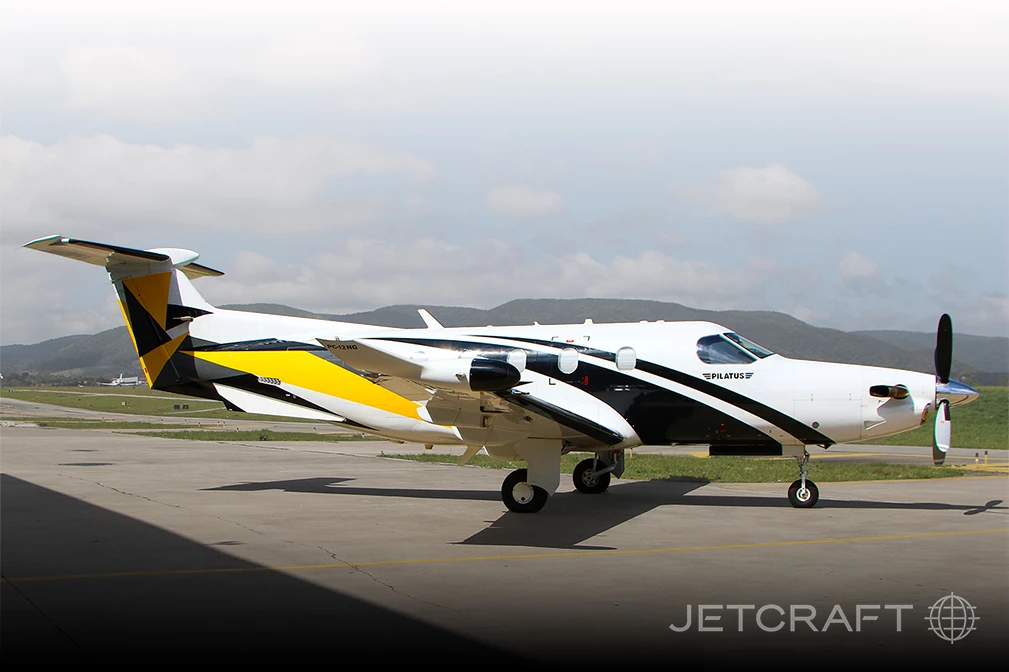
Turboprop aircraft serve essential roles in Italian aviation, connecting island territories, accessing mountainous airstrips, and providing utility services where pure jet operations prove economically inefficient or operationally impractical. The Italian turboprop market encompasses everything from the distinctive Piaggio Avanti combining near jet speed with turboprop economics to conventional twins like King Air and Cessna Caravan serving commercial operators, government agencies, and private owners. Italy's geography creates natural turboprop demand, with Sicily and Sardinia requiring regular mainland connectivity whilst alpine regions depend on capable aircraft accessing high elevation airports that challenge lesser powered machines.
The market for turboprops in Italy reflects diverse operational requirements spanning business aviation, commercial passenger service, cargo transport, and specialised missions including aerial survey, medical evacuation, and government patrol duties. This variety creates interesting opportunities for buyers seeking aircraft with established Italian operational histories and maintenance performed to European standards, particularly when sellers transition between mission profiles or consolidate fleets following operational changes.
The Piaggio Avanti represents Italy's most distinctive contribution to turboprop aviation, combining pusher mounted engines, forward canards, and swept wings into a configuration achieving speeds exceeding 400 knots whilst consuming fuel at rates closer to conventional turboprops than competing jets. This unique design emerged from Piaggio Aerospace's Genoa facility, where engineers prioritised speed and efficiency over conventional thinking, creating an aircraft that defies easy categorisation. The latest Avanti Evo variant incorporates modern Proline avionics, updated systems, and refined aerodynamics that maintain the design's performance advantages whilst meeting current certification standards.
Italian operators appreciate the Avanti's ability to access shorter runways than pure jets whilst maintaining schedule competitiveness on routes where jet speed advantages matter. The aircraft serves corporate flight departments requiring European connectivity without jet acquisition and operating costs, making it particularly attractive to mid size companies for whom full jet ownership represents excessive investment. Charter operators occasionally deploy Avantis on routes where passenger appeal justifies premium pricing, leveraging the aircraft's distinctive appearance and cabin comfort to differentiate from commodity turboprop service.
The pre owned Avanti market moves intermittently, with aircraft occasionally appearing as operators transition to pure jet fleets or exit aviation entirely. These sales attract buyers specifically seeking Avanti capabilities, as the aircraft's unique characteristics appeal to niche requirements rather than serving as general purpose turboprop alternatives. Maintenance considerations influence Avanti values, with ongoing support centred on Piaggio's Genoa facility and a limited service network compared to King Air or Caravan products enjoying near universal support. Prospective buyers should carefully evaluate support arrangements and parts availability before committing to Avanti ownership.
Sicily and Sardinia generate substantial turboprop activity as Italian islands lacking fixed transport links with the mainland. Commercial operators provide scheduled service connecting island airports with Rome, Milan, and secondary Italian cities, typically deploying ATR 72 turboprops optimised for this mission profile. Smaller operators utilise King Air, Cessna Caravan, or similar twins for charter operations serving business travellers, tourists, and cargo requiring expedited delivery. These island operations create specific turboprop requirements favouring reliability, parts availability, and operating economics over maximum speed or luxury appointments.
Seasonal patterns significantly influence Italian island aviation, with summer months bringing tourist traffic that supports higher frequency operations whilst winter requires more modest scheduling aligned with reduced demand. This seasonality creates utilisation variations that affect aircraft values, as higher annual hours improve operating economics whilst demonstrating consistent revenue generation potential. Aircraft with established island route histories often trade at premiums reflecting proven operational capabilities and existing commercial relationships that buyers can leverage when assuming operations.
Beyond major islands, smaller territories including Elba, Lampedusa, and Pantelleria rely on aviation for connectivity, though limited traffic volumes restrict operations to smaller aircraft or occasional charter flights. These routes create opportunities for capable single engine turboprops including Cessna Caravan and Pilatus PC 12, offering operating economics that remain viable at lower utilisation levels. The Italian market maintains healthy demand for utility turboprops serving these secondary destinations, supporting aircraft values and ensuring parts availability through active operator community. Buyers considering turboprops for Italian operations should evaluate mission profiles carefully, matching aircraft capabilities to specific route requirements and operational expectations.
Italy's alpine regions create demanding operating environments where turboprop performance advantages over piston aircraft become particularly apparent. High elevation airports serving ski resorts and mountain communities require aircraft maintaining adequate climb performance whilst operating in density altitudes that severely penalise normally aspirated piston engines. Turboprops maintain power output regardless of altitude through turbine efficiency, providing safety margins that conscientious operators demand when flying in mountainous terrain with rapidly changing weather and limited emergency landing options.
The Italian Alps host numerous airstrips ranging from well maintained facilities with instrument approaches to basic strips requiring visual operations and careful performance calculations. Aircraft serving these destinations balance runway performance with payload capability, often operating at higher weights that demand turboprop power levels. King Air 90 and 200 series aircraft appear frequently in alpine operations, offering twin engine redundancy operators value when flying over terrain inhospitable to forced landings. Single engine turboprops including Pilatus PC 12 and Cessna Caravan serve operators accepting single engine operations in exchange for lower operating costs and simpler maintenance.
Winter operations in alpine environments demand aircraft equipped for known icing conditions, requiring proper ice protection systems including heated wings, propellers, and engine inlets. Italian aviation regulations align with EASA requirements for flight into known icing, meaning operators must verify aircraft certification and equipment status before dispatching into potential icing conditions. This regulatory framework influences aircraft values, with properly equipped turboprops commanding premiums over aircraft lacking complete ice protection systems that limit operational flexibility during winter months when alpine flying is most active.
Beyond passenger transport, Italian turboprops serve diverse utility roles including cargo operations, aerial survey, medical evacuation, and government patrol duties. Cessna Caravans dominate cargo missions, offering large cabin volumes, robust construction, and single engine operating economics that maintain profitability on routes where twin turboprop costs become prohibitive. The type's rugged landing gear and unpaved runway capability extend operational flexibility, accessing facilities that exclude more delicate aircraft requiring paved surfaces and careful handling. Italian cargo operators deploy Caravans on overnight express routes, early morning newspaper delivery, and time sensitive shipments requiring guaranteed delivery windows that ground transport cannot reliably meet.
Medical evacuation represents another significant turboprop role, with properly equipped aircraft providing rapid patient transport between hospitals whilst accommodating medical teams and life support equipment that air ambulance missions require. These operations favour pressurised twins including King Air 200 and 350 series aircraft offering cabin environments suitable for patient comfort whilst maintaining performance adequate for urgent missions regardless of weather or time of day. Air ambulance configured aircraft occasionally appear for sale as operators upgrade fleets or consolidate operations, creating opportunities for buyers seeking aircraft with comprehensive equipment packages already installed.
Government agencies including Italian customs, coast guard, and environmental monitoring organisations operate turboprops for patrol, surveillance, and enforcement missions requiring extended loiter times and sensor platform stability. These aircraft often feature specialised modifications including observation windows, sensor mounts, and mission operator stations that limit appeal for buyers seeking standard passenger configurations. However, aircraft returning from government service may offer value for buyers willing to invest in reconfiguration, as government maintenance standards typically ensure excellent mechanical condition despite non standard equipment that requires removal or replacement.
The Italian turboprop market operates somewhat independently from jet markets, with buyer communities rarely overlapping and different brokers specialising in each segment. Turboprop transactions typically involve smaller dollar amounts and less sophisticated acquisition processes, though proper due diligence remains essential for avoiding aircraft with hidden maintenance issues or regulatory compliance problems. Buyers should engage turboprop experienced mechanics for pre purchase inspections, as these specialists understand type specific issues that generalist inspectors may overlook whilst lacking comparative market knowledge that informs value assessments.
Engine condition dominates turboprop valuations, with Pratt & Whitney PT6 overhaul costs ranging from 350,000 to over 800,000 dollars depending on variant and workscope. Time remaining before overhaul significantly impacts aircraft values, with high time engines dramatically reducing asking prices as buyers factor pending overhaul costs into their acquisition budgets. Some sellers separate engine and airframe values, offering aircraft at reduced prices whilst separately marketing engines with substantial remaining time to operators seeking spare powerplants. This practice complicates price comparisons but can create opportunities for buyers able to source engines independently or negotiate package deals.
Avionics configurations influence turboprop utility and therefore values, with aircraft featuring modern glass cockpits commanding premiums over older generation steam gauge panels. The transition to ADS B mandate throughout Europe and other regions forced many operators to invest in avionics upgrades, creating two tier markets where compliant aircraft trade readily whilst non compliant airframes face buyer resistance absent dramatic price reductions. Buyers should verify regulatory compliance for intended operations, ensuring aircraft meet current requirements without requiring immediate investments beyond purchase price. Reviewing available turboprop listings provides market context helpful when evaluating specific aircraft and negotiating purchase terms.
Explore turboprops for sale in Italy offering island connectivity, alpine capability, and utility versatility. Browse current turboprop listings to discover aircraft matching your operational requirements and budget expectations.
Browse our full global inventory of turboprops for sale.
The Piaggio Avanti combines pusher engines, forward canards, and swept wings achieving speeds exceeding 400 knots whilst consuming fuel at turboprop rates. Manufactured in Genoa, it serves operators requiring near jet speed without jet acquisition costs. The aircraft accesses shorter runways than pure jets whilst maintaining schedule competitiveness on European routes.
Sicily and Sardinia rely on turboprops for mainland connections, with commercial operators deploying ATR 72 aircraft on scheduled routes. Smaller operators use King Air and Cessna Caravan models for charter operations. Seasonal patterns influence utilisation with summer tourist traffic supporting higher frequency operations whilst winter requires reduced scheduling.
Alpine regions require aircraft maintaining climb performance at high elevation airports in density altitudes that challenge piston engines. Turboprops maintain power output regardless of altitude through turbine efficiency. Winter operations demand known icing certification with proper ice protection systems including heated wings and propellers.
Engine condition dominates valuations, with PT6 overhaul costs ranging from 350,000 to over 800,000 dollars depending on variant. Time remaining before overhaul significantly impacts prices. Modern glass cockpits command premiums over steam gauges. ADS B compliance creates two tier markets where compliant aircraft trade readily whilst non compliant airframes face resistance.