Private jet ownership in Italy represents the pinnacle of luxury aviation, combining Mediterranean lifestyle access with European business connectivity and the prestige associated with Italian design excellence. The Italian private jet market serves ultra high net worth individuals drawn to coastal resort destinations including Sardinia's Costa Smeralda, the Amalfi Coast, and Italian Riviera properties, alongside business leaders requiring flexible international travel from Milan and Rome. This unique combination of leisure and business usage creates specific aircraft requirements favouring models that balance range, comfort, and operational versatility.
Italian private jet buyers typically seek aircraft offering nonstop European services with occasional transatlantic capability, enabling direct flights to London, Paris, Zurich, and Moscow whilst accommodating seasonal migrations to Caribbean or Middle Eastern destinations. The market gravitates toward established manufacturers including Gulfstream, Bombardier, Dassault, and Embraer, with buyers valuing proven reliability and comprehensive support networks over experimental designs or emerging manufacturers lacking established service infrastructure.
Italy's luxury travel culture creates unique private jet utilisation patterns that differ substantially from pure business aviation operations. Summer months see concentrated activity as owners and charterers move between northern European cities and Mediterranean resort destinations, with Olbia in Sardinia experiencing traffic volumes that rival major business aviation hubs during peak season. The Amalfi Coast, accessible through Naples or Salerno, draws private jets carrying passengers seeking villa rentals, yacht access, and the region's legendary hospitality, whilst Capri's helicopter connections create combined jet and rotorcraft itineraries that maximise operational flexibility.
This leisure focus influences aircraft selection, with buyers prioritising cabin comfort, passenger amenities, and aesthetic appeal alongside performance specifications. Italian private jet owners frequently invest in custom interior completions featuring Italian leather, premium wood veneers, and entertainment systems that transform aircraft cabins into flying luxury lounges. The cultural expectation of style extends beyond mere functionality, with aircraft serving as status symbols that reflect owner taste and social position within Italy's elite circles.
Seasonal patterns in the Italian private jet market create pricing variations throughout the year, with aircraft occasionally offered for sale as owners reassess their aviation requirements following summer season or decide to transition between ownership and charter programs. Buyers seeking private jets should consider seasonal factors when evaluating market inventory and negotiating purchase terms, as motivated sellers may offer flexibility during traditional slow periods.
Milan serves as Italy's private jet capital, with Linate Airport providing city centre proximity that makes private aviation genuinely practical for business and leisure travel. The airport's operational restrictions create a managed environment where private jets receive priority handling, efficient ground services, and discreet operations that appeal to high net worth individuals valuing privacy. Linate's noise curfews and slot limitations mean aircraft based there must comply with specific operational rules, favouring newer jets meeting stringent noise certification standards over older generation models approaching regulatory limits.
Malpensa, positioned northwest of Milan, accommodates larger private jets and serves as a gateway for international arrivals requiring full customs and immigration facilities. The airport's private aviation terminal offers comprehensive services including crew rest facilities, passenger lounges, and rapid ground transport connections into Milan's business districts. Many Italian private jet owners split operations between Linate for domestic and short European sectors and Malpensa for longer international flights, optimising convenience against operational capabilities.
Rome's private jet operations centre on Ciampino, historically one of Europe's most important business aviation airports before Fiumicino absorbed most commercial traffic. Ciampino maintains its business aviation focus whilst handling some low cost carrier operations, creating a mixed environment that requires careful handling coordination. Fiumicino provides alternative Rome access for larger private jets, with dedicated general aviation terminals separated from main passenger operations. The capital's political importance generates consistent private jet activity as government officials, diplomats, and international business leaders require flexible aviation access for meetings and conferences.
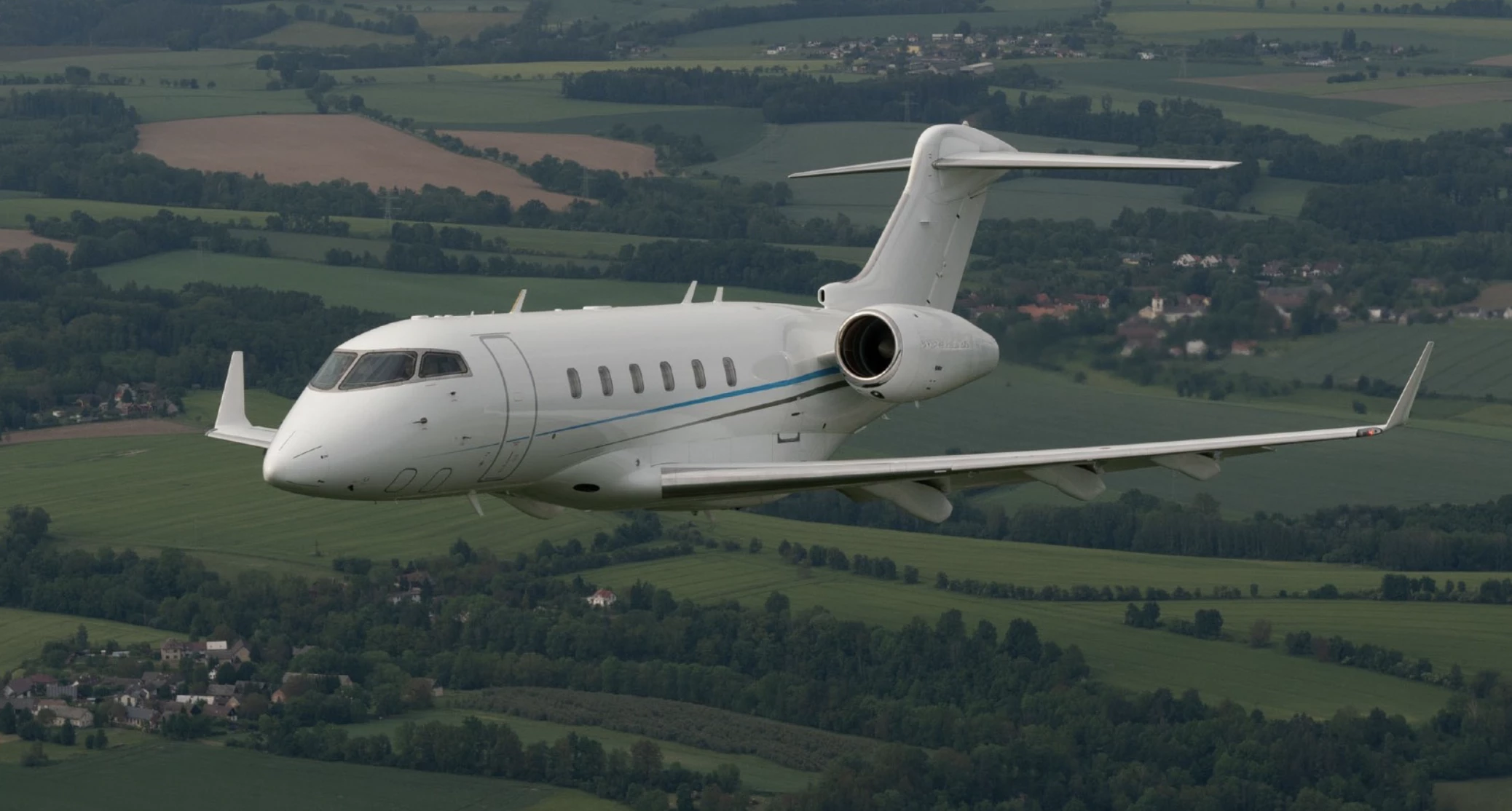
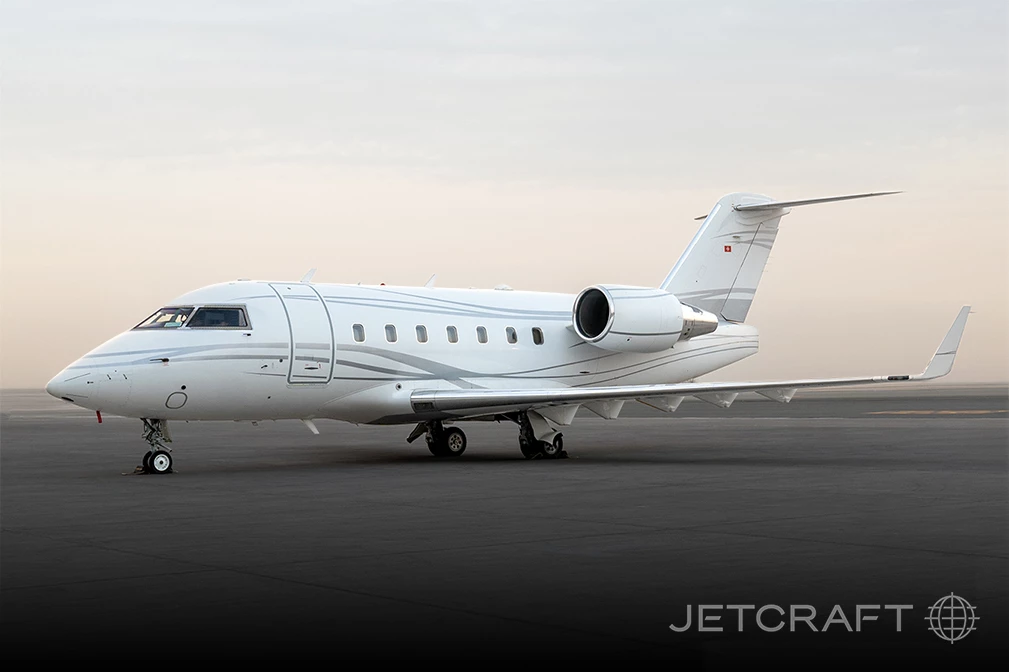
The Italian private jet market demonstrates particular affinity for super midsize jets that balance transcontinental range with operational flexibility at secondary airports throughout Europe and the Mediterranean. Aircraft including the Bombardier Challenger 350, Cessna Citation Longitude, Gulfstream G280, and Dassault Falcon 2000 series dominate this segment, offering eight to ten passenger cabins, nonstop range exceeding 3,500 nautical miles, and runway performance suitable for most Italian airports. These jets handle typical Italian mission profiles efficiently, connecting Milan or Rome to virtually any European destination whilst enabling occasional transatlantic flights to New York or south to Dubai.
Super midsize jets appeal to Italian buyers seeking optimal value, avoiding the acquisition and operating costs associated with large cabin jets whilst maintaining substantially greater capability than light or midsize models. Cabin dimensions in this category accommodate proper business configurations with conference seating, galley services enabling quality catering, and enclosed lavatories providing genuine passenger comfort on longer flights. Italian owners frequently specify premium completions during manufacture or invest in refurbishment programs that elevate pre owned aircraft to contemporary luxury standards.
The market for super midsize jets in Italy remains active with regular turnover as owners upgrade to larger models or transition out of ownership entirely. This activity creates opportunities for buyers seeking well maintained aircraft with Italian operational histories, particularly when sellers offer aircraft through professional brokers who facilitate the due diligence and transaction processes. Prospective buyers should evaluate available jets considering total ownership costs including Italian basing expenses, insurance rates, and crew salary expectations that influence ongoing operational budgets.
Italian private jet owners prioritise European connectivity, requiring aircraft capable of reaching London, Paris, Frankfurt, Geneva, and Zurich within two hours whilst accommodating extension to Moscow, Istanbul, or Tel Aviv when business demands. This operational radius defines minimum aircraft requirements, effectively eliminating pure light jets from serious consideration among buyers seeking genuine utility rather than recreational flying. The ability to depart Italy mid morning, conduct afternoon meetings in northern Europe, and return same day represents core private jet value proposition that justifies ownership costs and operational complexity.
Schengen Area membership simplifies Italian private jet operations within most of Europe, eliminating passport controls and customs formalities for intra Schengen flights whilst maintaining security screening and aviation safety protocols. This regulatory framework makes European travel substantially more efficient than typical international operations, with private jet passengers often proceeding directly from aircraft to ground transport without terminal formalities. Italian based jets regularly serve Swiss ski resorts during winter, French coastal destinations during summer, and major European business centres year round, accumulating flight hours that reflect the continent's integrated economy and social networks.
Transatlantic capability remains important for Italian private jet buyers despite primarily European operations, providing flexibility for North American travel without charter coordination or airline reliance. Aircraft with 4,000 plus nautical mile range handle Milan or Rome to New York direct, whilst shorter range jets require Shannon or Reykjavik technical stops that add flight time and coordination complexity. This capability gap significantly impacts aircraft values, with long range models commanding premiums that reflect their operational versatility and owner convenience.
Italian private jet ownership typically involves corporate structures designed to optimise tax treatment, liability protection, and operational flexibility. Aircraft may be registered to Italian companies, offshore entities in jurisdictions like Isle of Man or San Marino, or through specialised aviation holding companies that manage regulatory compliance whilst shielding beneficial owners. These structures require legal and tax expertise to implement properly, with many Italian owners working with aviation lawyers and accountants who specialise in cross border aircraft transactions and ongoing compliance requirements.
Management companies play significant roles in Italian private jet operations, handling everything from crew employment to maintenance scheduling, insurance placement, and operational coordination. These companies allow owners to enjoy aviation benefits without immersing themselves in regulatory minutiae or day to day operational details. Some management firms offer guaranteed revenue programs where aircraft enter charter pools during owner downtime, offsetting operating costs through third party revenue whilst maintaining aircraft availability for owner needs. The viability of such arrangements depends on aircraft type, age, and configuration, with popular models generating more charter interest than niche designs.
Charter certificates issued by ENAC enable Italian private jets to legally conduct commercial operations, transforming personal aircraft into revenue generating assets. The regulatory requirements for commercial operations exceed pure private use, involving additional crew qualifications, maintenance standards, and operational approvals that increase complexity and expense. Owners considering charter should evaluate these requirements carefully, recognising that revenue potential must justify incremental costs and operational restrictions that commercial certification imposes.
Explore private jets for sale in Italy offering luxury Mediterranean travel, European connectivity, and Italian operational excellence. Review available private jet listings to identify aircraft matching your travel requirements and lifestyle aspirations.
Browse our full global inventory of private jets for sale.
Super midsize jets dominate including Bombardier Challenger 350, Cessna Citation Longitude, Gulfstream G280, and Dassault Falcon 2000 series. These aircraft balance European range with occasional transatlantic capability whilst accessing smaller Italian airports serving Mediterranean resort destinations.
Milan Linate offers city centre proximity with managed operations favouring private jets. Malpensa handles larger aircraft and international arrivals. Rome Ciampino focuses on business aviation whilst Fiumicino accommodates larger jets through dedicated general aviation terminals.
Summer months see concentrated Mediterranean resort travel to Sardinia, Amalfi Coast, and Italian Riviera destinations. Winter brings alpine focus. Seasonal patterns influence aircraft availability and pricing as owners reassess requirements between peak usage periods.
Owners typically use Italian corporate entities, offshore structures, or specialised aviation holding companies to optimise tax treatment and liability protection. Management companies handle operational details, crew employment, and regulatory compliance. Some aircraft enter charter pools generating revenue during owner downtime.