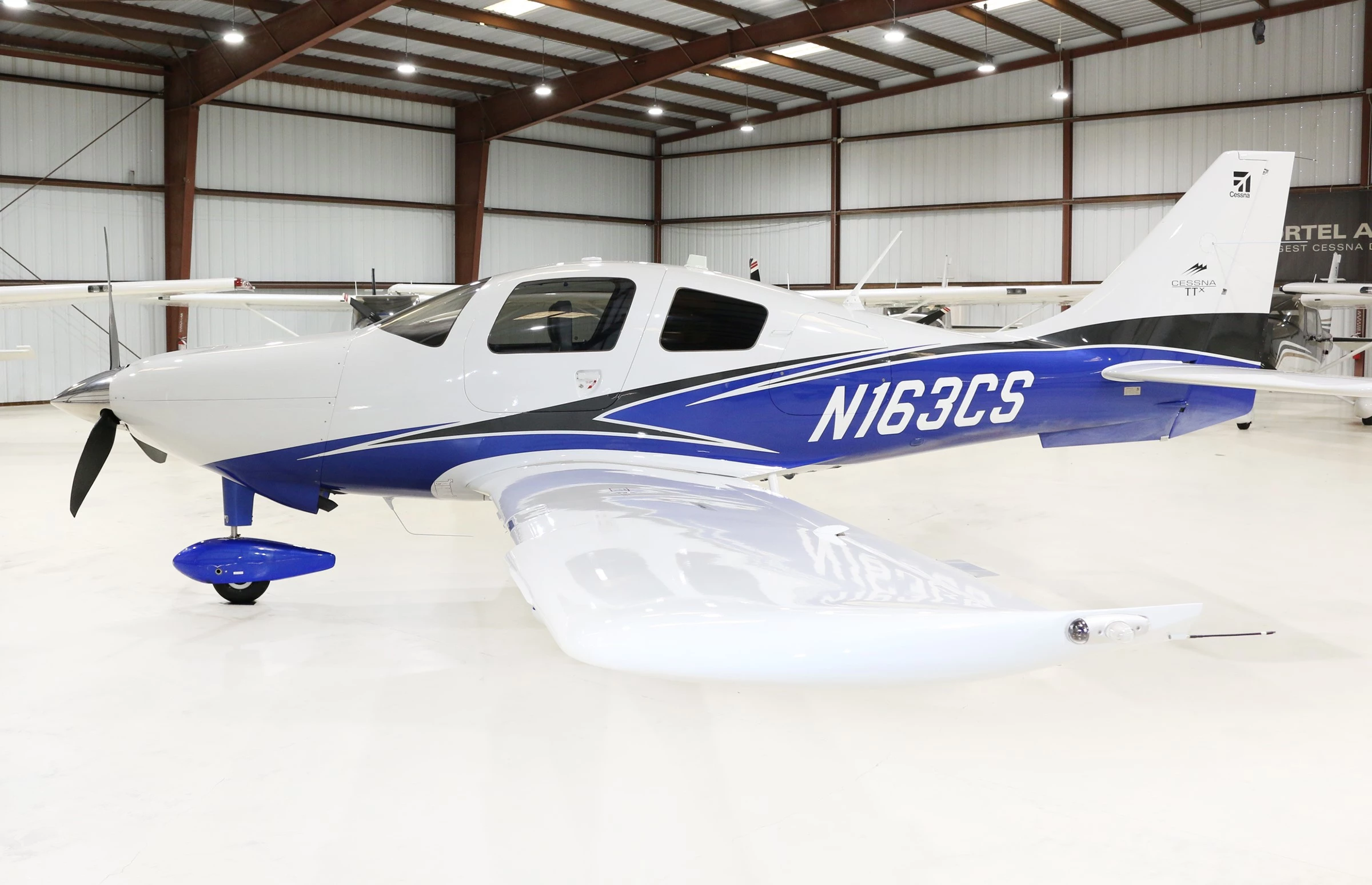
Piston aircraft represent the foundation of Italian general aviation, supporting flight training, recreational flying, and light utility operations across the country's diverse geography. Italy hosts Tecnam, one of Europe's leading light aircraft manufacturers based in Capua near Naples, producing modern designs that combine Italian craftsmanship with efficient performance and contemporary safety features. The Italian piston aircraft market spans from vintage taildraggers treasured by enthusiasts to modern glass cockpit singles serving flight schools and private owners seeking economical transportation and recreational flying opportunities.
Aero clubs throughout Italy maintain the country's general aviation tradition, operating flight schools that train new pilots under ENAC oversight whilst providing aircraft rental and social activities for recreational aviators. These clubs form the backbone of Italian piston aircraft operations, creating steady demand for training suitable aircraft including Cessna 172, Piper PA 28 variants, and increasingly Tecnam models offering modern alternatives to aging legacy designs. The market also includes private owners using piston aircraft for personal transportation, recreational touring, and maintaining pilot proficiency between professional aviation assignments.
Tecnam represents Italy's contribution to light aircraft manufacturing, producing a range of piston powered designs from basic trainers through capable four seat tourers. The company's Capua facility near Naples employs composite construction techniques creating lightweight airframes that maximise efficiency whilst meeting modern certification standards including European CS 23 requirements. Tecnam's product line includes the P92 and P2002 series ultralights popular throughout Europe for recreational flying, the P2006T twin serving flight schools requiring multi engine trainers, and the P2010 four seat single offering touring performance with modern avionics and comfort appointments.
The P2010 represents Tecnam's most sophisticated piston single, competing against established designs including Cessna 172 and Piper Archer whilst offering fuel injected Lycoming power, Garmin G1000 NXi avionics, and sleek low wing configuration appealing to buyers seeking contemporary alternatives to legacy airframes dating to 1960s design origins. Italian flight schools increasingly adopt Tecnam trainers, valuing factory proximity for parts support and warranty service whilst supporting domestic manufacturing that maintains aviation skills within the national economy. This institutional adoption creates used aircraft availability as schools upgrade or rotate fleets, generating opportunities for private buyers seeking low time aircraft with documented maintenance histories.
Tecnam aircraft occasionally appear in international markets as European operators sell surplus inventory or private owners relocate outside the continent. These aircraft typically demonstrate excellent condition reflecting European maintenance standards and lower utilisation typical of recreational operations compared to intensive commercial flight training. Buyers should verify parts availability in their home markets, as Tecnam support networks, whilst improving, remain less comprehensive than legacy manufacturers enjoying decades of global market presence. However, for operations based in Italy or Europe generally, Tecnam products offer compelling value combining modern design with competitive pricing and excellent factory support accessibility.
Italian aero clubs serve dual roles as flight training organisations and social centres for recreational aviators, maintaining the country's general aviation culture through affordable access to aircraft and instruction. Most clubs operate as non profit associations where members share costs whilst benefiting from group purchasing power for insurance, maintenance, and facility expenses. These clubs typically base operations at smaller airports and grass strips throughout Italy, avoiding the higher costs and congestion associated with major commercial airports whilst maintaining convenient access for local communities. Clubs often own fleets mixing training focused aircraft with more capable machines available for qualified member rental once appropriate endorsements are obtained.
Flight training in Italy follows EASA Part FCL standards, with Private Pilot License (PPL) training requiring minimum 45 hours including specified dual and solo time across various flight conditions and manoeuvres. Italian flight schools utilise predominantly Cessna 172, Piper PA 28 Warrior and Archer variants, and increasingly Tecnam models for primary training, valuing proven designs with benign handling characteristics suitable for ab initio students. Commercial Pilot License (CPL) and Instrument Rating (IR) training demands more sophisticated aircraft featuring retractable gear, constant speed propellers, and capable IFR avionics, with schools deploying Piper PA 28R Arrow, Cessna 182, and various complex singles meeting these requirements.
The Italian flight training market generates steady aircraft turnover as schools replace high time trainers with newer models offering better dispatch reliability and lower maintenance costs. Aircraft removed from training often appeal to private buyers seeking affordable entry into aircraft ownership, though prospective purchasers should carefully evaluate condition given the demanding duty cycles flight training imposes. Student pilots create wear patterns different from typical owner operations, with landing gear, brakes, and powerplants experiencing accelerated utilisation that may necessitate earlier replacement compared to similar vintage aircraft flown by experienced owners maintaining consistent technique. Thorough pre purchase inspections become particularly important when evaluating former training aircraft, ensuring all systems receive appropriate scrutiny before ownership transfer.
ENAC oversees Italian flight training and pilot licensing through EASA Part FCL implementation, ensuring training standards align with broader European requirements enabling license validation across member states. Private Pilot License (PPL) holders may fly single engine piston aircraft under visual flight rules throughout Europe following completion of type differences training when transitioning between significantly different aircraft types. The license enables recreational flying and personal transportation whilst prohibiting commercial operations beyond limited cost sharing with passengers on specific flights. This regulatory framework creates the environment within which Italian piston aircraft operations occur, defining pilot privileges, aircraft requirements, and operational limitations.
Medical certification follows EASA standards, with PPL applicants requiring Class 2 medical certificates issued by authorised aviation medical examiners following examinations verifying adequate health for safe flight operations. Medical requirements become more stringent for commercial licensing, ensuring pilots operating for hire meet enhanced standards appropriate to their professional responsibilities. Italian pilots generally find medical certification straightforward provided they maintain reasonable health and disclose any conditions requiring special consideration during the examination process. The medical certificate requirement does occasionally impact aircraft sales when sellers exit aviation following medical certification issues, creating opportunities for buyers as motivated sellers seek rapid transactions.
Aircraft registration and continuing airworthiness under ENAC align with EASA Part M requirements, demanding regular maintenance performed by appropriately licensed mechanics and periodic inspections ensuring ongoing airworthiness. Annual inspections represent the minimum requirement, with ENAC approved maintenance organisations conducting thorough examinations verifying aircraft condition and system functionality before issuing fresh airworthiness certificates. This regulatory oversight ensures Italian registered piston aircraft generally maintain good condition, as neglected maintenance becomes apparent during required inspections that prevent further operations until deficiencies are corrected. Buyers considering Italian registered aircraft benefit from this regulatory framework that incentivises proper maintenance and documentation throughout aircraft service lives.
Italian geography creates exceptional recreational flying opportunities spanning Mediterranean coastlines, alpine valleys, and historic cities accessible from numerous grass strips and paved airports welcoming general aviation. Coastal flying represents particular appeal, with routes along the Amalfi Coast, Italian Riviera, and Adriatic Sea offering stunning scenery combined with manageable distances between airports providing convenient fuel stops and meal breaks. Pilots frequently combine flying with tourism, landing at destinations for lunch or overnight stays before continuing journeys, maximising aircraft utility through lifestyle integration that justifies ownership costs for recreational users.
Popular routes include tours connecting Venice, Florence, and Rome with stops at smaller airports offering convenient access to city centres or nearby attractions. Alpine flying attracts pilots seeking mountain scenery and access to ski resorts during winter months, though these operations demand mountain flying skills and careful weather assessment given rapidly changing conditions and terrain that leaves minimal options for emergency landings. Coastal strips often feature challenging approaches over water or terrain requiring precise energy management, creating interesting flying that maintains pilot skills whilst providing genuine satisfaction when properly executed.
The Italian recreational flying community remains active despite economic pressures and regulatory burdens that have reduced general aviation activity throughout Europe. Pilots generally demonstrate strong airmanship reflecting serious approach to aviation safety, with club environments fostering knowledge sharing and mentorship that benefits newer pilots learning from experienced aviators. This community aspect adds value beyond simple aircraft access, providing social connections and shared experiences that enhance ownership satisfaction. Prospective buyers should consider joining aero clubs even when owning personal aircraft, as the community benefits and shared facilities often justify membership costs whilst reducing isolation that can affect private owners operating independently.
The Italian piston aircraft market operates at smaller scale than business aviation or helicopter segments, with transactions typically involving lower dollar amounts and less formal processes. However, proper due diligence remains essential, as piston aircraft present unique considerations including engine condition, airframe hours and cycles, avionics currency, and compliance with airworthiness directives that can significantly impact values and ongoing operating costs. Buyers should engage experienced mechanics for pre purchase inspections, ideally specialists familiar with specific aircraft types being evaluated who understand common issues and appropriate inspection techniques revealing potential problems before purchase completion.
Engine condition represents the single largest value component in most piston aircraft, with overhauls costing 30,000 to over 60,000 dollars depending on engine model and workscope required. Time remaining before overhaul dramatically impacts aircraft values, as buyers understandably resist paying premium prices for aircraft with engines approaching mandatory replacement. Some sellers proactively overhaul engines before listing aircraft, enabling maximum asking prices whilst providing buyers confidence regarding near term maintenance requirements. Others price aircraft assuming buyers will factor engine reserves into their valuation, creating negotiation dynamics where engine condition becomes central to price discussions.
Avionics currency influences piston aircraft utility and therefore values, with modern GPS navigators, digital autopilots, and traffic awareness systems substantially enhancing capability compared to older generation steam gauge panels with basic navigation equipment. The transition to mandatory ADS B throughout Europe forced many owners to invest in transponder upgrades, creating markets where compliant aircraft trade readily whilst non compliant airframes face buyer resistance. Italian buyers generally prefer properly equipped aircraft meeting current requirements without demanding immediate investments beyond purchase price. Understanding these market dynamics helps buyers identify value opportunities whilst avoiding aircraft requiring extensive upgrades before achieving desired operational capability. Reviewing current aircraft listings provides helpful context when evaluating specific aircraft and their pricing relative to market conditions and individual aircraft attributes.
Explore piston aircraft for sale in Italy offering Tecnam manufacturing excellence, flight training proven airframes, and recreational flying opportunities along Mediterranean coasts and alpine valleys. Browse available piston aircraft listings to discover aircraft matching your flying ambitions and budget realities.
Browse our full global inventory of piston aircraft for sale.
Tecnam manufactures light aircraft at Capua near Naples, producing modern piston designs including P92/P2002 ultralights, P2006T twin trainers, and P2010 touring singles. Italian flight schools increasingly adopt Tecnam aircraft valuing factory proximity for parts support whilst supporting domestic manufacturing. Models feature composite construction, fuel injected engines, and modern avionics including Garmin G1000 NXi.
Aero clubs operate as non profit associations providing flight training and aircraft rental whilst serving as social centres for recreational aviators. Most clubs base at smaller airports maintaining affordable access through cost sharing among members. Clubs typically own mixed fleets including training focused Cessna 172, Piper PA 28 variants, and Tecnam models alongside more capable aircraft for qualified member rental.
Private Pilot License training follows EASA Part FCL standards requiring minimum 45 hours including specified dual and solo time. License enables recreational flying and personal transportation throughout Europe whilst prohibiting commercial operations beyond limited cost sharing. Pilots require Class 2 medical certificates and must complete type differences training when transitioning between significantly different aircraft types.
Italian geography offers Mediterranean coastal routes along Amalfi Coast, Italian Riviera, and Adriatic Sea with stunning scenery and convenient airports. Alpine valleys provide mountain flying access to ski resorts requiring mountain flying skills. Popular tours connect Venice, Florence, and Rome through smaller airports offering city centre access. Coastal strips often feature challenging approaches over water requiring precise energy management.