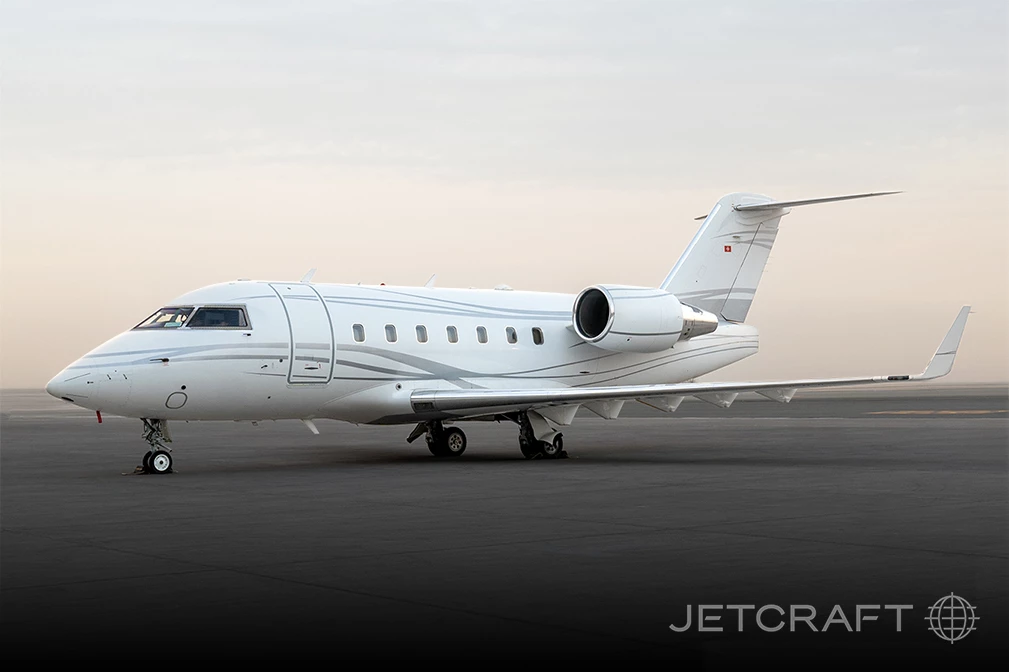
Business jet operations in Italy support the country's fashion, automotive, manufacturing, and financial services industries, providing corporate flight departments with flexible international connectivity that commercial airlines cannot match. Unlike private jets focused primarily on luxury travel, business jets function as essential corporate tools enabling executives to maximise productivity through efficient travel schedules, confidential mobile meeting environments, and direct access to facilities and clients across Europe. The Italian business jet market concentrates in northern industrial centres including Milan, Turin, and Bologna, with secondary activity in Rome serving government contractors, professional services firms, and media companies.
Corporate flight departments in Italy typically operate mid size to large cabin jets capable of nonstop European services whilst accommodating occasional intercontinental missions to North America, Asia, or Middle Eastern markets. Aircraft selection prioritises reliability, dispatch availability, and operating economics over luxury appointments, though cabin quality remains important for maintaining corporate image and ensuring executive comfort during extended missions. The market favours established manufacturers with comprehensive support networks, minimising the operational disruptions that aircraft on ground situations create for time sensitive business travel.
Italy's fashion industry generates substantial business jet activity as design houses, luxury brands, and textile manufacturers coordinate international operations spanning European production facilities, Asian manufacturing partnerships, and global retail networks. Companies including those based in Milan's fashion district require frequent travel to Paris, London, and New York for fashion weeks, showroom presentations, and retail partnerships, creating mission profiles that demand reliable aircraft capable of handling demanding schedules during industry peak periods. These operations favour mid size and super mid jets offering eight to ten passenger cabins with proper working environments and sufficient range for transatlantic flights without technical stops.
The automotive sector, concentrated around Turin with Fiat Chrysler heritage and numerous component suppliers, maintains corporate flight departments supporting executive travel, engineering coordination, and manufacturing oversight across Italian facilities and international partnerships. Racing programs including Formula One create specialised aviation requirements with rapid team movements between European circuits and occasional flyaways to distant races. This automotive aviation demand skews toward larger cabin jets accommodating technical teams alongside executives, with baggage capacity for equipment and parts that ground transport cannot efficiently handle.
Manufacturing companies across northern Italy utilise business jets for facility visits, supplier coordination, and customer presentations that require executive presence at multiple locations within compressed timeframes. The ability to visit German suppliers, French partners, and eastern European production facilities within a single day, returning to Italy that evening, represents core business aviation value that justifies aircraft ownership costs. These operational patterns create steady demand for business jets offering proven reliability and straightforward maintenance that minimises operational disruptions.
Milan Linate serves as Italy's premier business aviation airport, with its city centre location enabling executives to reach downtown offices within fifteen minutes of aircraft shutdown. This proximity creates genuine time savings compared to Malpensa operations requiring hour plus ground transportation, making Linate particularly valuable for day return missions or tight connection schedules. The airport's operational environment, with limited slots and noise restrictions, creates managed conditions where business jets receive priority handling and ground services understand corporate aviation requirements including rapid turnarounds, flexible scheduling, and discreet operations.
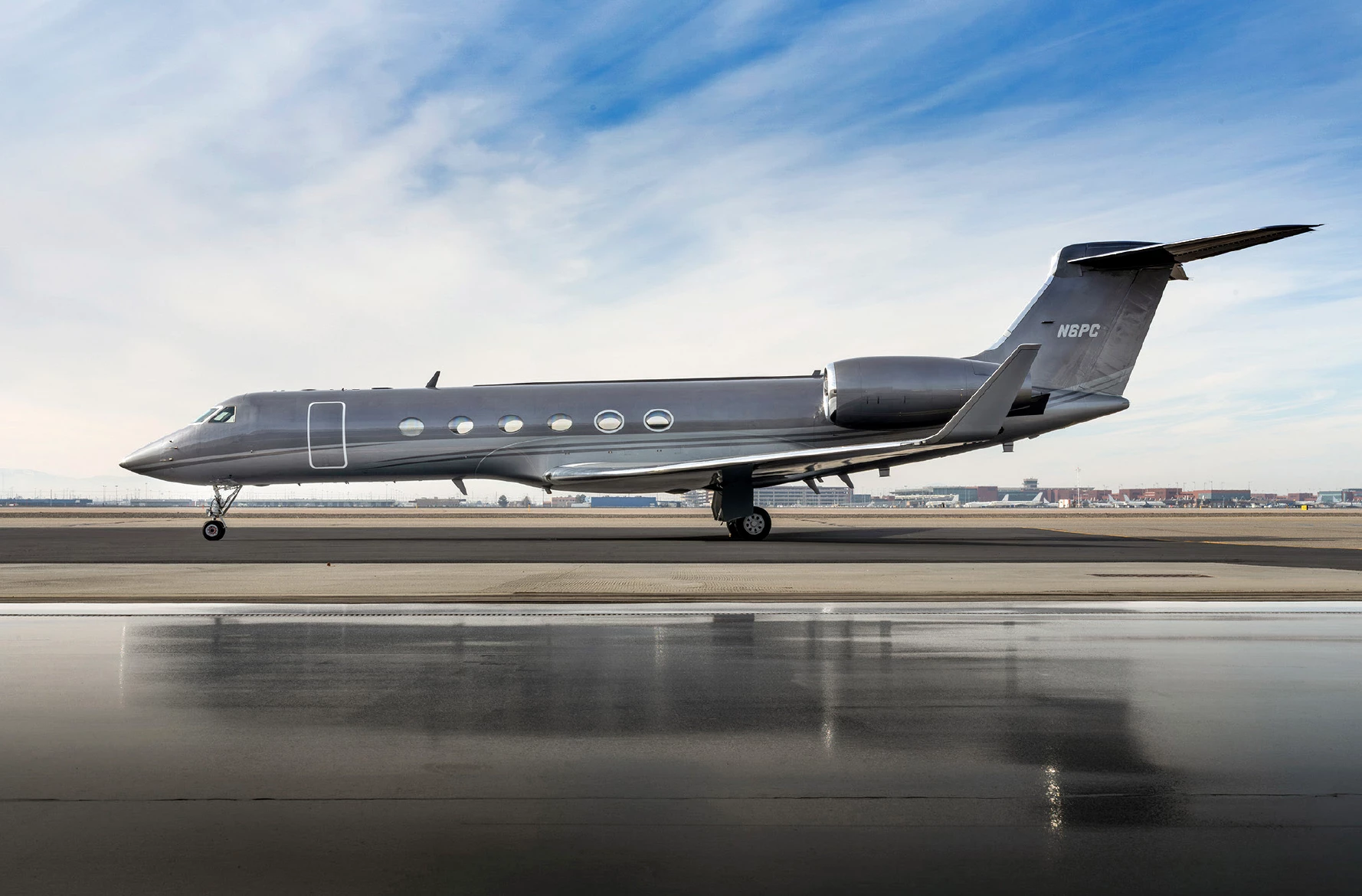
Linate's runway length and elevation comfortably accommodate most business jets through super midsize category, whilst larger cabin models including Gulfstream G550, Bombardier Global series, and Dassault Falcon 7X operate routinely within performance limitations. The airport's noise certification requirements favour modern jets meeting Stage 5 standards, potentially complicating operations for older generation aircraft approaching regulatory limits. Corporate flight departments basing aircraft at Linate benefit from established infrastructure including maintenance facilities, handling agents, and crew services that simplify operational coordination.
Flight planning from Linate emphasises European destinations, with typical missions to London, Paris, Frankfurt, Geneva, and Zurich consuming minimal flight time whilst providing full day productivity at destination before evening returns. Overnight missions extend to Moscow, Istanbul, Tel Aviv, and occasionally North African destinations serving Italian business interests in emerging markets. This operational radius defines aircraft requirements for Milan based corporate fleets, generally favouring super midsize through large cabin models that balance capability with operating economics.
Italian corporate flight departments approach fleet planning systematically, analysing historic mission profiles to determine optimal aircraft mix balancing capacity, range, and operating costs. Single aircraft operations gravitate toward super midsize jets offering greatest operational flexibility, handling most European missions efficiently whilst accommodating occasional intercontinental flights that justify aircraft ownership. Companies with higher utilisation or more diverse requirements may operate multiple aircraft, combining a large cabin jet for long range international travel with a mid size model handling frequent European shuttle operations at lower hourly costs.
Aircraft age significantly influences corporate aviation decisions, with most Italian flight departments preferring aircraft under ten years old featuring modern avionics, current cabin technology, and remaining manufacturer warranty coverage. This preference reflects risk management priorities, as older aircraft face increased maintenance costs, higher dispatch risk, and potentially higher insurance premiums that offset their lower acquisition costs. However, well maintained older generation jets can provide value for companies with lower utilisation or more flexible scheduling that accommodates occasional unscheduled maintenance.
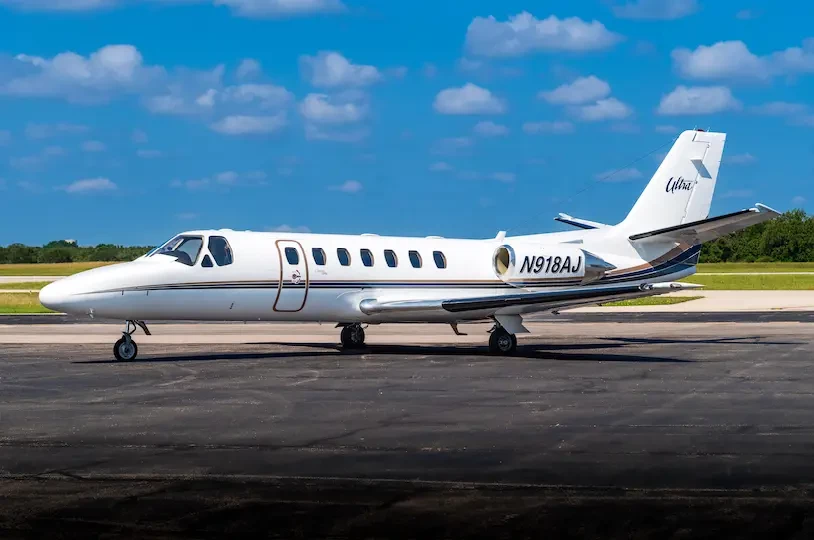
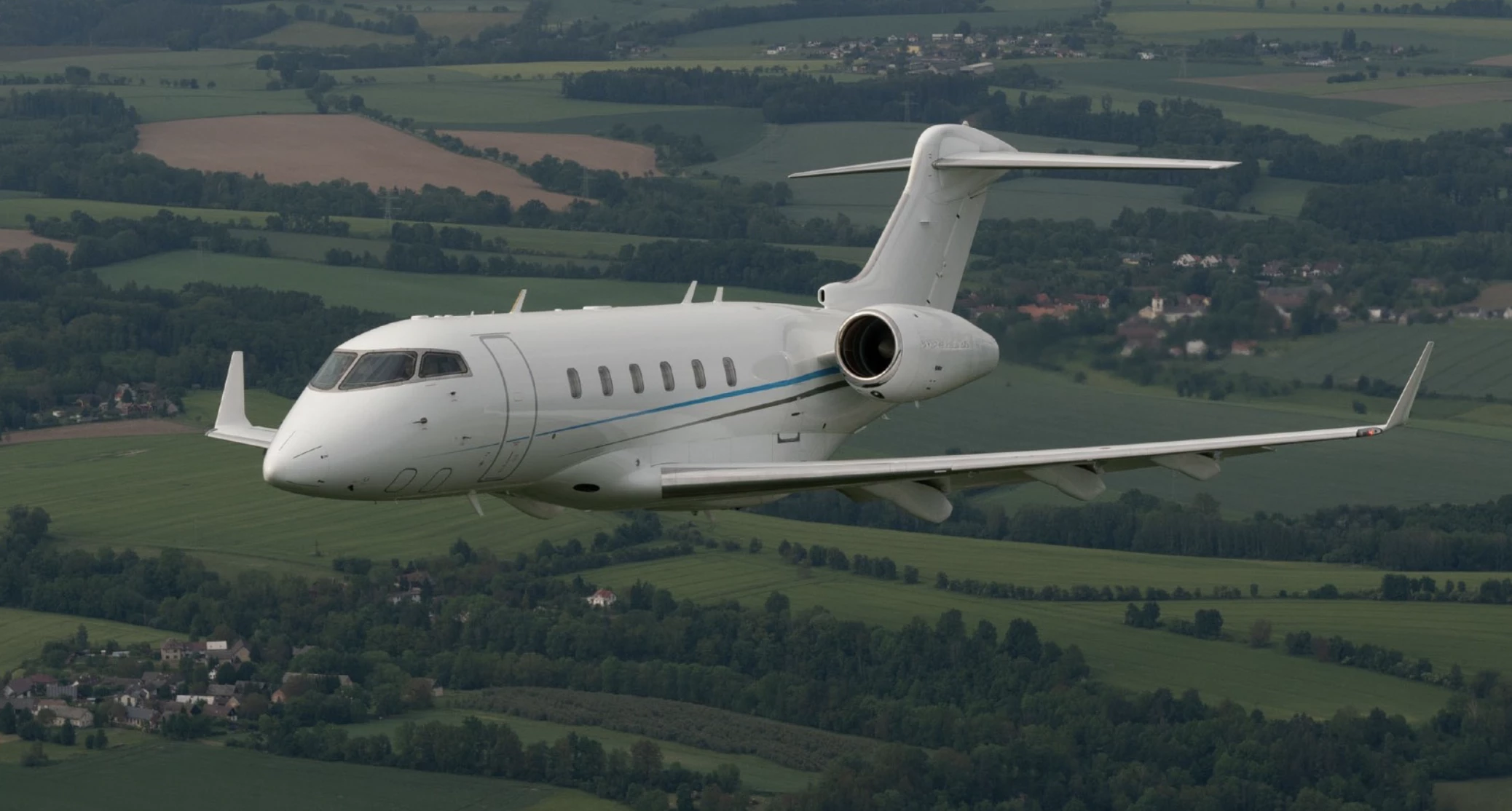
The Italian market demonstrates loyalty toward certain manufacturers based on historic experience and support network quality. Gulfstream maintains strong Italian presence across corporate fleets, valued for long range capability, cabin comfort, and comprehensive service infrastructure. Bombardier products appear frequently, particularly Challenger and Global families offering proven reliability. Dassault Falcon jets appeal to buyers appreciating French engineering and trijet redundancy on certain models. Cessna Citation products serve smaller corporate operations where operating economics outweigh ultimate capability. Prospective buyers should evaluate available jets considering manufacturer support presence in Italy and parts availability that impacts ongoing operational efficiency.
European business jet operations from Italy benefit from Schengen Area membership, eliminating border formalities for most continental flights whilst maintaining aviation security and safety protocols. This regulatory framework enables efficient multi stop missions, with aircraft collecting or delivering passengers at multiple European cities during single duty periods without customs delays or immigration queues that complicate international airline travel. Corporate executives frequently maximise this flexibility, conducting morning meetings in Milan, midday presentations in Frankfurt, afternoon negotiations in Paris, and returning to Italy that evening having accomplished what would require three days via commercial aviation.
Eastern European destinations generate increasing Italian business jet activity as companies expand operations in Poland, Czech Republic, Romania, and other markets offering manufacturing capacity or consumer growth opportunities. These routes favour jets with 2,000 plus nautical mile range ensuring nonstop capability whilst avoiding technical stops that add cost and scheduling complexity. Balkan destinations including Croatia, Serbia, and Albania appear increasingly in Italian corporate flight plans as tourism development and infrastructure investment create business opportunities in markets underserved by commercial aviation.
Middle Eastern connectivity remains important for Italian corporations with energy sector relationships, construction contracts, or luxury goods exports serving Gulf markets. Direct flights from Milan or Rome to Dubai, Riyadh, or Doha require jets with 3,000 nautical mile plus range, effectively limiting options to super midsize and larger models. Some corporate flight departments coordinate commercial airline connections for Middle Eastern travel whilst reserving company aircraft for European operations, optimising asset utilisation against total travel costs.
Italian corporate flight departments face scrutiny regarding aviation costs, requiring professional management that demonstrates value delivery against expenditure levels that easily reach millions annually. Fixed costs including crew salaries, hangar rent, insurance premiums, and management fees consume substantial portions of annual budgets regardless of utilisation, whilst variable costs including fuel, maintenance reserves, landing fees, and handling charges scale with flight hours. This cost structure means aircraft must achieve minimum utilisation thresholds for ownership to justify versus charter alternatives, with most analyses suggesting 200 plus flight hours annually as the rough breakpoint where ownership economics become favourable.
Fuel represents the largest variable cost component, with business jets consuming anywhere from 150 to over 500 gallons per hour depending on aircraft size and mission profile. Italian fuel prices typically track European averages, with some regional variation between airports based on infrastructure costs and competitive dynamics. Corporate flight departments increasingly focus on fuel efficiency when evaluating aircraft, recognising that seemingly small consumption differences compound over thousands of annual flight hours into meaningful cost variations that impact departmental budgets and corporate environmental reporting.
Maintenance reserves require careful forecasting, as major inspections occurring at multi year intervals create lumpy cash flow requirements that financial planning must accommodate. Most corporate flight departments establish monthly reserves for anticipated maintenance, avoiding budget surprises when engines approach overhaul or airframe inspections require extensive shop time. The availability of maintenance facilities in Italy simplifies scheduling for routine inspections, whilst major events may require ferry flights to manufacturer service centres or approved facilities elsewhere in Europe. Understanding these maintenance patterns helps corporate aviation managers benchmark aircraft operating costs and build realistic budgets that avoid unpleasant surprises.
Discover business jets for sale in Italy supporting corporate aviation requirements across fashion, automotive, and manufacturing sectors. Explore current business jet listings to identify aircraft offering the reliability, capability, and operating economics your corporate flight department requires.
Browse our full global inventory of business jets for sale.
Business jets function as corporate tools supporting fashion, automotive, and manufacturing industries with focus on reliability and operating economics. Private jets emphasise luxury travel and Mediterranean resort access. Business aviation prioritises schedule efficiency and European connectivity whilst private jets focus on comfort and lifestyle applications.
Linate provides city centre proximity enabling fifteen minute ground transport to Milan business districts. Limited slots and noise restrictions create managed environment with priority business jet handling. The airport accommodates most jets through super midsize category whilst maintaining efficient operations corporate flight departments value.
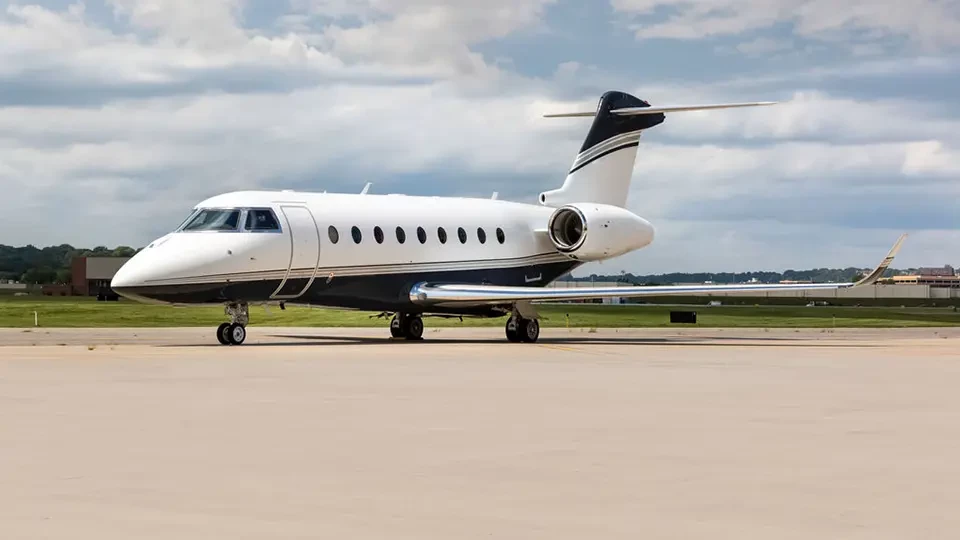
Super midsize jets including Bombardier Challenger 350, Cessna Citation Longitude, and Gulfstream G280 balance European range with operating economics. Large cabin jets including Gulfstream G550, Bombardier Global series, and Dassault Falcon 7X serve companies requiring frequent intercontinental travel.
Corporate flight departments analyse mission profiles determining optimal aircraft mix. Fixed costs including crew, hangar, and insurance combine with variable costs like fuel and maintenance. Most analyses suggest 200 plus annual flight hours justify ownership versus charter alternatives. Professional management demonstrates value delivery against expenditure levels.