The Italian aircraft market combines domestic manufacturing excellence with a sophisticated buyer base seeking quality, performance, and European operational flexibility. Aircraft for sale in Italy range from Leonardo helicopters manufactured in Vergiate and Brindisi to pre owned business jets, turboprops, and piston aircraft serving the country's diverse aviation needs. Italy's position at the Mediterranean crossroads creates unique operational requirements that favour certain aircraft types whilst the nation's regulatory environment under ENAC provides straightforward pathways for both domestic and international buyers.
Italian aircraft sales reflect the country's broader economic structure, with business aviation concentrated around Milan, Rome, and Turin whilst recreational flying thrives along coastal regions and alpine valleys. The market tends toward established aircraft types with proven support networks, though Italian buyers demonstrate willingness to embrace innovative designs when performance advantages justify premium pricing, as evidenced by Piaggio Avanti adoption among domestic operators.
Leonardo Helicopters' presence in Italy creates unusual market dynamics where domestically manufactured rotorcraft benefit from proximity to factory support, comprehensive parts availability, and direct factory relationships that simplify maintenance and upgrade programs. The AW109 GrandNew and AW109 Trekker dominate the Italian light twin helicopter market, offering performance suited to alpine operations and Mediterranean island connectivity. These aircraft frequently appear for sale from Italian operators upgrading to newer models or medium twins like the AW139, creating opportunities for buyers seeking established airframes with meticulous Italian maintenance histories.
Factory support from Leonardo's Vergiate facility provides significant advantages for operators based in northern Italy, with short ferry distances for major inspections and rapid parts delivery when components require factory coordination. This geographic proximity often justifies price premiums for Leonardo products in the Italian market compared to competing designs that may require international ferry flights for certain maintenance events. Pre owned Leonardo helicopters originating from Italian operators typically demonstrate higher residual values than similar vintage aircraft from other European markets, reflecting confidence in domestic maintenance quality and operational practices.
Beyond helicopters, Piaggio Avanti aircraft occasionally appear for sale in the Italian market, often from corporate flight departments transitioning to pure jet operations or consolidating their fleets. These distinctive turboprops carry particular value in Italy where their performance characteristics are well understood and maintenance expertise is readily available through Piaggio's Genoa support network.
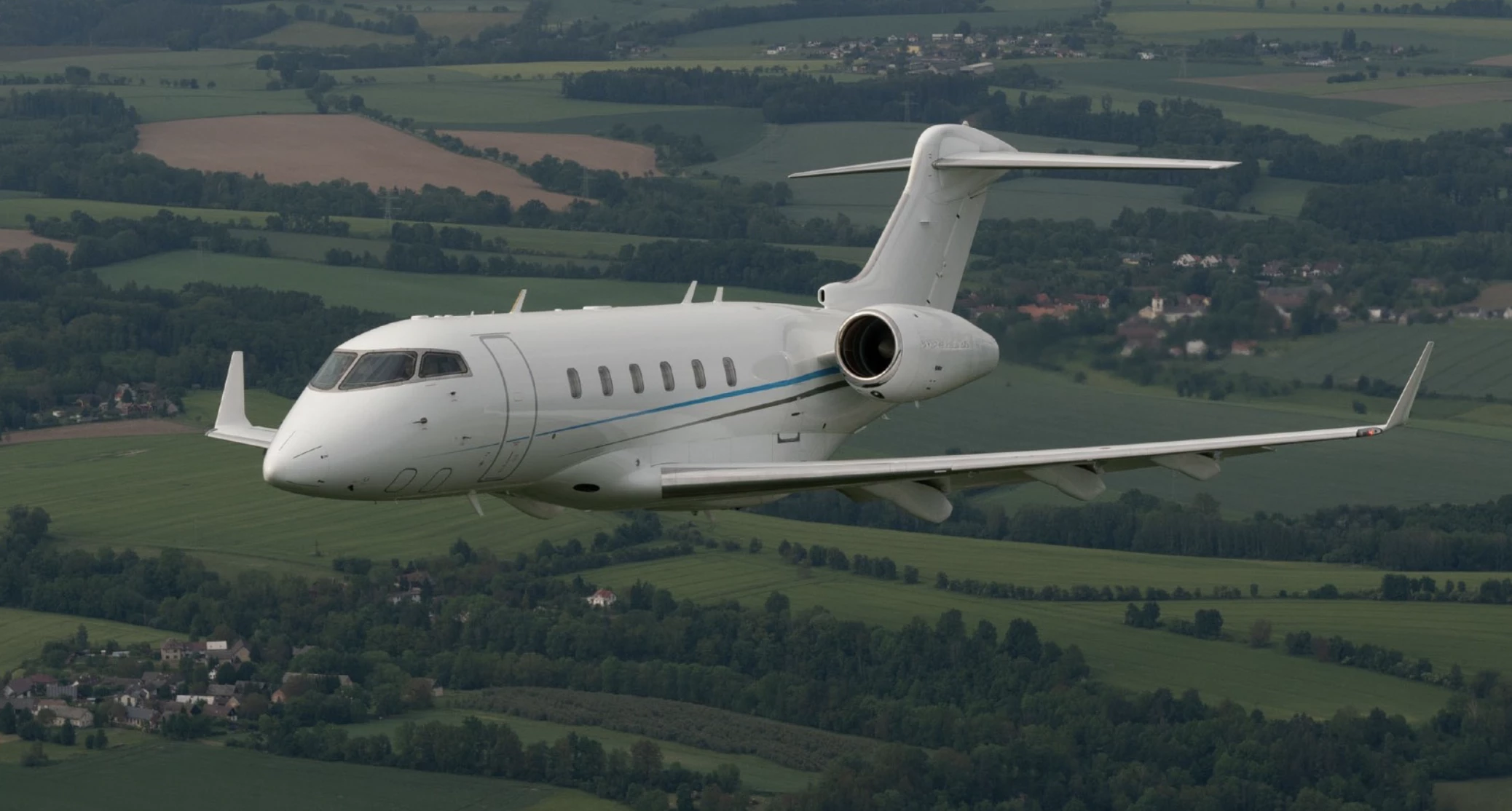
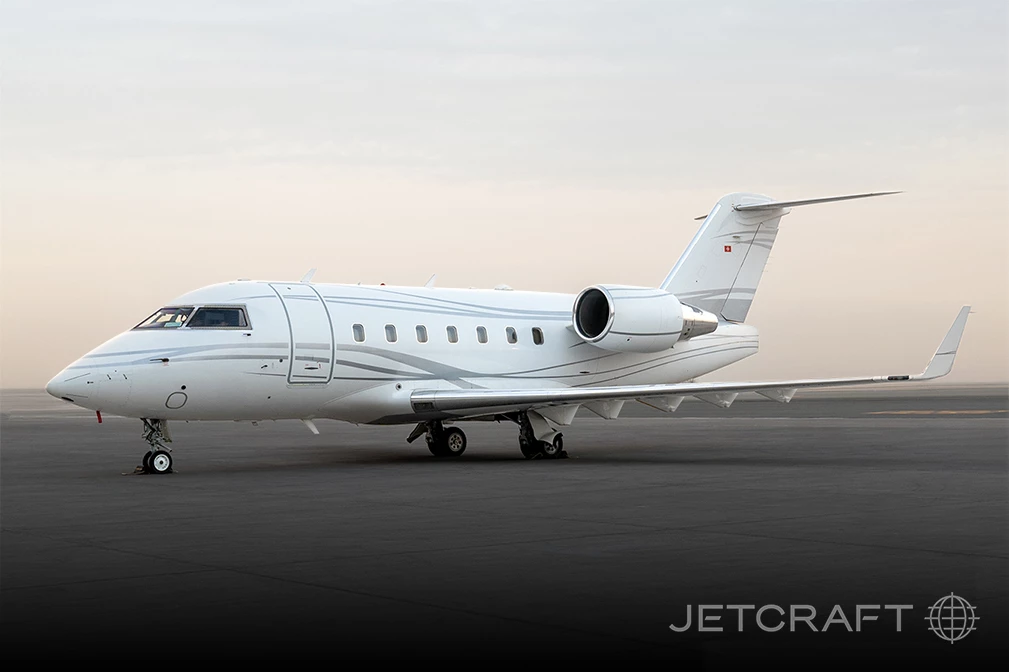
Italian business aviation favours mid size and super mid jets capable of nonstop European services whilst accommodating occasional transatlantic missions to North America. Aircraft like the Cessna Citation XLS+, Bombardier Challenger 350, and Gulfstream G280 regularly trade in the Italian market, appealing to fashion houses, automotive companies, and manufacturing firms requiring flexible international travel. These aircraft balance cabin comfort with operational economics, accessing airports like Milan Linate whilst maintaining range for direct flights to London, Paris, Frankfurt, and occasionally New York or Dubai.
The Italian market demonstrates preference for later model aircraft with modern avionics and updated interiors, reflecting buyers who view aircraft as business tools requiring contemporary technology rather than mere transportation. This preference creates opportunities for sellers with well maintained, properly upgraded aircraft whilst making older generation jets harder to move unless priced significantly below market averages. Italian buyers typically conduct thorough pre purchase inspections and expect comprehensive maintenance records, approaching aircraft acquisition with the same diligence applied to other major capital investments.
Corporate flight departments in Italy often manage multiple aircraft types, combining jets for long range international travel with helicopters for domestic shuttle operations between facilities or executive residences. This mixed fleet approach creates regular turnover as companies optimise their aviation assets, generating inventory for buyers seeking aircraft with corporate pedigrees and documented maintenance histories.
Registering aircraft in Italy through ENAC involves standard European procedures aligned with EASA requirements, though certain administrative specifics differ from German, French, or British processes. New registrations require proof of ownership through bill of sale, previous registration documentation including deregistration from prior authority, airworthiness certification, and insurance coverage meeting Italian minimums. ENAC issues registration certificates carrying the distinctive I prefix followed by four letter combinations, with certain letter sequences reserved for specific aircraft categories or operator types.
Import duties and VAT considerations significantly impact aircraft transactions in Italy, particularly for aircraft arriving from outside the European Union. Buyers should engage aviation tax specialists early in the transaction process to determine applicable duties, available exemptions, and documentation requirements that avoid delays during import clearance. Aircraft already on the EU register benefit from simpler transfer procedures, though Italian tax authorities still require proper declaration and documentation to confirm VAT paid status.
Many international buyers choose Italian registration for aircraft based elsewhere in Europe, valuing the regulatory environment and registration stability ENAC provides. The registration process typically completes within four to six weeks when documentation is properly prepared, though complex ownership structures involving trusts or corporate entities may extend timelines whilst ENAC verifies beneficial ownership and confirms regulatory compliance.
Italy's geographic position makes aircraft particularly valuable for Mediterranean connectivity, reaching North African coast, Greek islands, Balkan destinations, and southern French resort areas within two hours flight time. This regional accessibility drives demand for aircraft capable of operating from smaller airports with limited infrastructure, favouring turboprops and mid size jets over heavy iron requiring extensive runway lengths and support services. Seasonal demand patterns influence the Italian market, with summer months seeing increased activity as owners position aircraft for Mediterranean travel whilst winter brings alpine focus and potential off season pricing opportunities.
Island connectivity represents a specific Italian aviation requirement, with Sardinia, Sicily, Elba, and smaller islands relying on aviation for rapid mainland access. Aircraft serving these routes balance passenger capacity with runway performance, often operating from strips that preclude large jet operations. This operational reality maintains strong demand for capable twins including piston and turboprop designs that might be declining elsewhere in Europe, creating a viable secondary market that supports aircraft values and ensures parts availability.
Coastal strips along the Amalfi Coast, Italian Riviera, and Adriatic Sea provide recreational flying opportunities that enhance aircraft utility beyond pure business transportation. Owners frequently combine business missions with leisure stops, maximising aircraft value through lifestyle integration that justifies acquisition and operating costs. This dual use pattern appears frequently in Italian aircraft listings, with sellers marketing aircraft toward buyers seeking similar operational flexibility.
Current Italian aircraft market trends reflect broader European patterns whilst maintaining certain local characteristics shaped by domestic manufacturing and regulatory environment. Demand remains strongest for technologically current aircraft with established support networks, whilst older generation designs face headwinds unless offered at significant discounts justifying potential avionics upgrades or system modernisation. Environmental considerations increasingly influence Italian buyers, particularly corporate flight departments facing sustainability reporting requirements that favour newer, more efficient aircraft over vintage fuel consumers.
The Italian market's sophistication means buyers typically understand aircraft valuation, conduct thorough due diligence, and negotiate based on comprehensive market intelligence rather than list price aspirations. Sellers benefit from transparent presentation including complete logbooks, maintenance records, and configuration details that allow buyers to rapidly assess aircraft condition and value. Professional aircraft brokers familiar with Italian market dynamics facilitate transactions by navigating regulatory requirements, coordinating inspections, and managing the administrative processes that can overwhelm sellers attempting direct transactions.
Looking forward, the Italian market appears positioned for steady activity driven by replacement demand from corporate operators and continued interest in pre owned aircraft offering value compared to new production pricing. Buyers seeking opportunities should monitor available aircraft regularly, as desirable inventory moves quickly when priced appropriately for condition and market position.
Discover aircraft for sale in Italy offering Italian registration, European operational flexibility, and access to Mediterranean destinations. Browse current aircraft listings to find opportunities matching your operational requirements and budget parameters.
Leonardo helicopters dominate rotorcraft sales with AW109 and AW139 models. Business aviation favours mid size and super mid jets like Citation XLS+, Challenger 350, and G280. Piaggio Avanti turboprops maintain niche popularity whilst piston twins serve island connectivity and recreational roles.
ENAC typically completes registration within four to six weeks for straightforward transactions with proper documentation. Aircraft require proof of ownership, prior deregistration, airworthiness certification, and insurance. Complex ownership structures may extend timelines whilst ENAC verifies beneficial ownership.
Aircraft imported from outside the EU face customs duties and VAT assessment based on value and intended use. Aircraft already EU registered transfer more simply though tax documentation remains required. Aviation tax specialists should be engaged early to determine applicable duties and available exemptions.
Leonardo's Vergiate and Brindisi facilities provide factory support, rapid parts availability, and direct service relationships for Italian operators. This proximity creates premium values for Leonardo helicopters in the domestic market whilst simplifying maintenance and upgrade programs compared to other European markets.