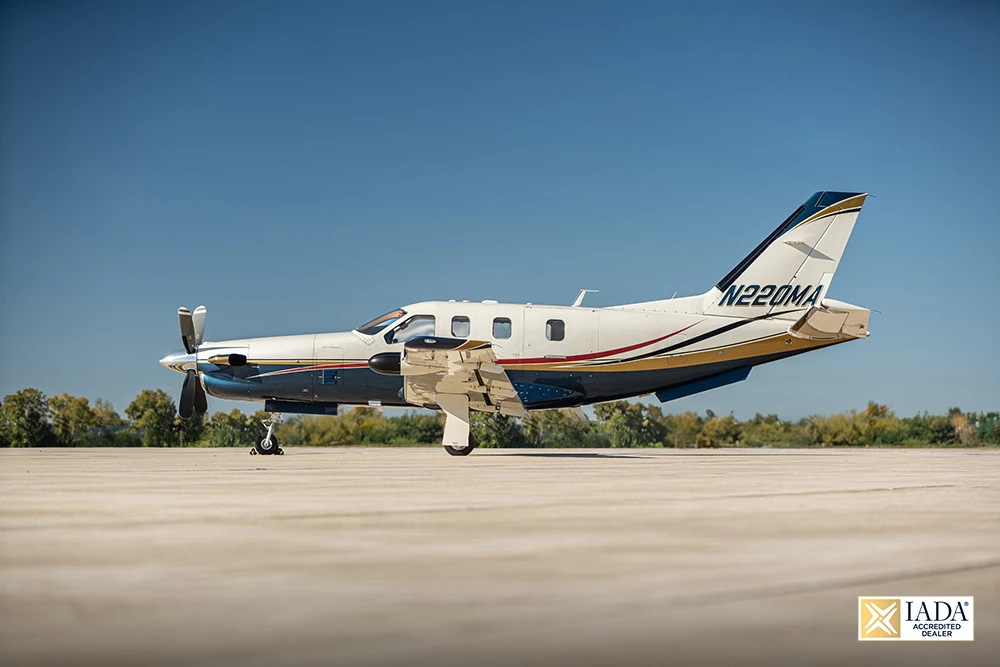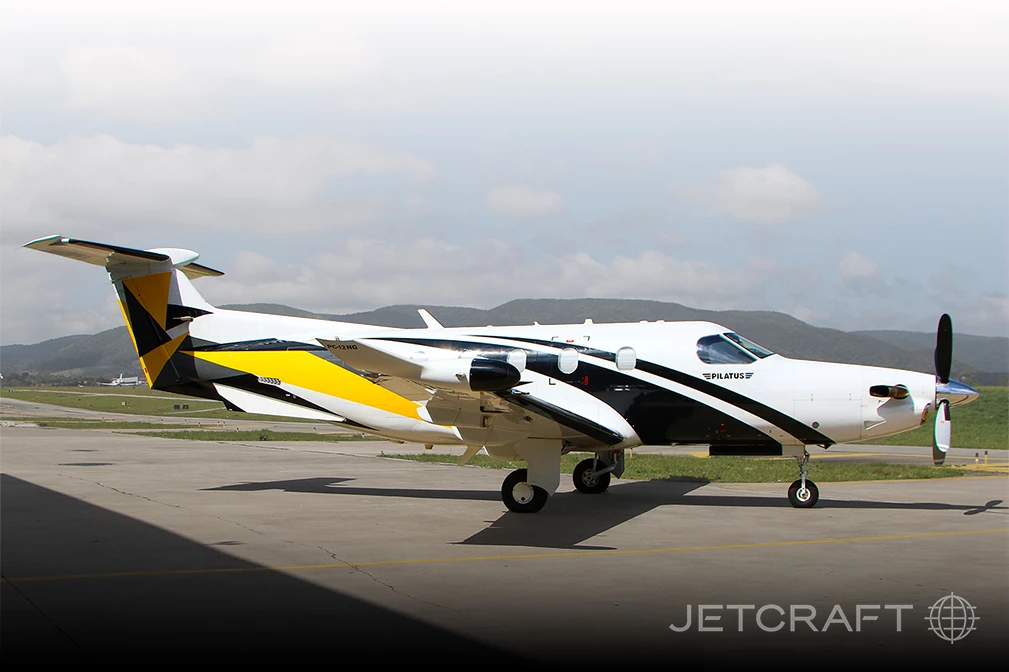
Turboprop aircraft occupy a distinctive position in German aviation, bridging the gap between piston powered aircraft and pure jets while offering operational characteristics suited to European business travel and utility missions. These versatile aircraft combine turbine reliability and performance with fuel efficiency and operational economics that often surpass light jets for typical regional missions. German operators appreciate turboprops for their practical capabilities including excellent short field performance, single pilot certification on many models, and lower operating costs compared to jet alternatives. The turboprop segment attracts corporations establishing initial flight departments, experienced owners upgrading from pistons, and operators requiring specific capabilities like unpaved runway operations or cargo flexibility.
The German turboprop market features proven designs with decades of operational history and comprehensive support infrastructure. Pilatus PC 12 aircraft, various Beechcraft King Air models, and TBM series aircraft dominate inventory, reflecting their popularity among operators valuing capability, reliability, and reasonable lifecycle costs. These turboprops enable efficient travel throughout Europe, access to secondary airports near business locations, and operational flexibility adapting to diverse mission requirements from passenger transport through cargo hauling and aerial work applications. Understanding turboprop capabilities and limitations helps buyers matching aircraft to operational requirements while optimizing costs.
Turboprop aircraft deliver several operational advantages particularly relevant to German aviation contexts. Short field performance enables access to regional airports near industrial centers, bypassing congested major hubs and positioning aircraft closer to business destinations. Grass strip capability on appropriate models supports operations at smaller facilities, accessing remote locations or utilizing cost effective airfields. These characteristics prove valuable for companies with dispersed operations throughout rural regions or those serving customers at locations lacking jet capable infrastructure. The ability to land near destinations rather than using airports hours away often delivers greater time savings than jet speed advantages on shorter routes.
Fuel efficiency represents another compelling turboprop advantage in an environment emphasizing cost consciousness and environmental responsibility. Turboprops typically consume 30 to 50 percent less fuel than comparable light jets on missions under 500 nautical miles, generating lower operating costs and reduced emissions. This efficiency aligns with German cultural values regarding resource conservation and environmental stewardship while delivering practical economic benefits. For operators conducting primarily regional missions, turboprop fuel savings accumulate substantially across annual utilization, often justifying aircraft selection despite slightly slower cruise speeds compared to jet alternatives.
Single pilot certification available on popular models including the PC 12 and TBM series provides operational flexibility and cost advantages. Owner pilots can operate these capable aircraft meeting appropriate training and currency requirements, avoiding crew costs that represent substantial portions of jet operating budgets. Even operators engaging professional pilots benefit from single pilot certification through simplified crew scheduling, reduced training costs, and lower insurance premiums compared to aircraft requiring two pilot operations. This accessibility makes turboprops attractive entry points for first time turbine aircraft owners transitioning from piston experience while maintaining operational capabilities sufficient for serious business aviation applications.
The Pilatus PC 12 dominates the German single engine turboprop market, combining cabin comfort approaching light twin aircraft with single engine simplicity and operating economics. Various PC 12 variants from early models through current NG versions offer pressurized cabins seating six to nine passengers, cruising speeds around 280 knots, and ranges exceeding 1,500 nautical miles with reserves. The aircraft's robust construction enables operations from unpaved runways when required, while sophisticated avionics including modern glass cockpits provide capabilities rivaling jet equipment. German operators value PC 12 reliability, worldwide support infrastructure, and cargo flexibility supporting diverse mission profiles from executive transport through medevac and freight operations.
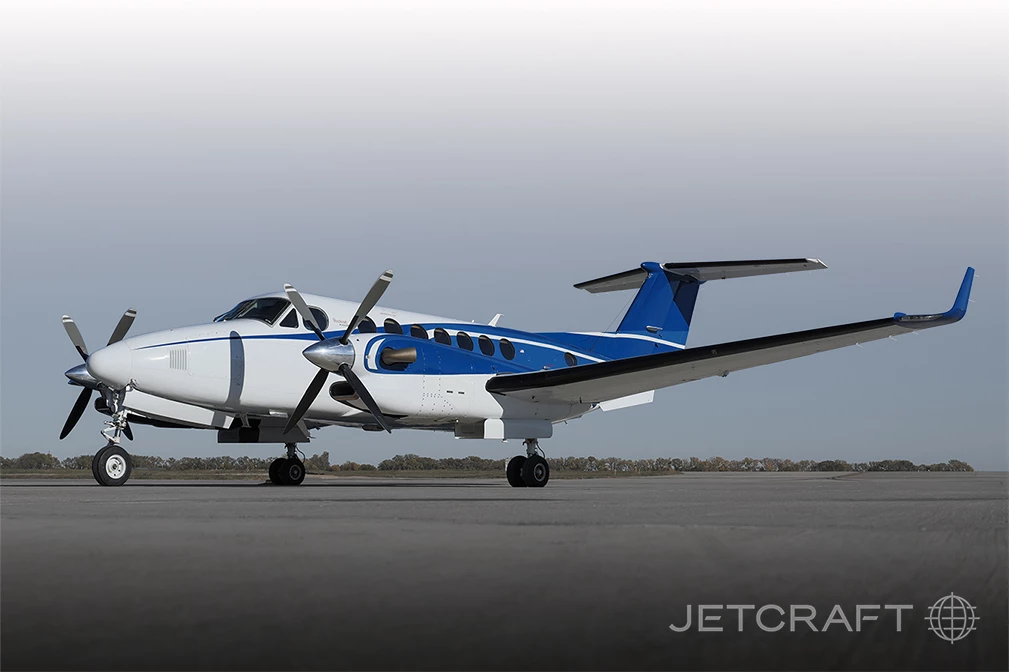
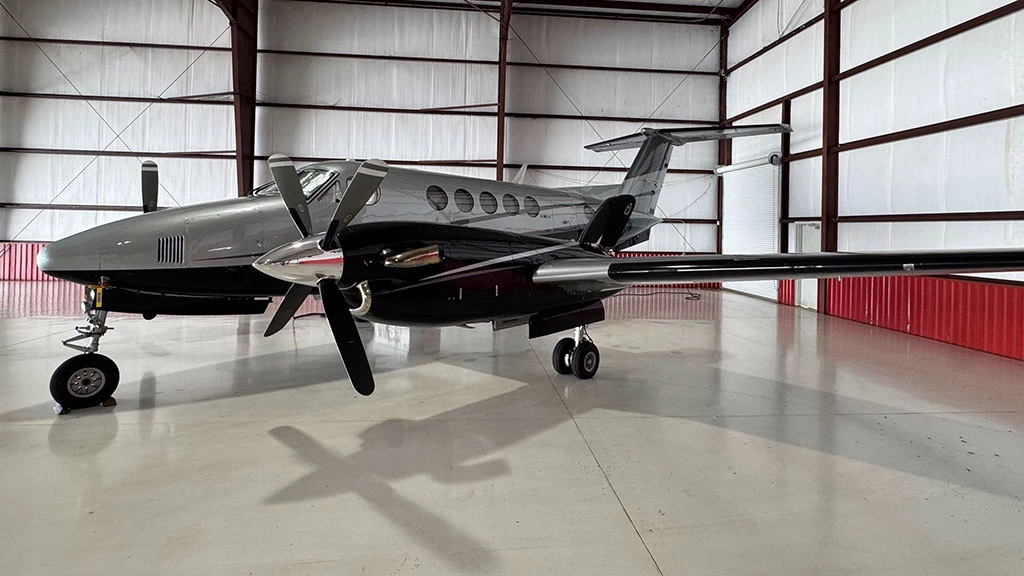
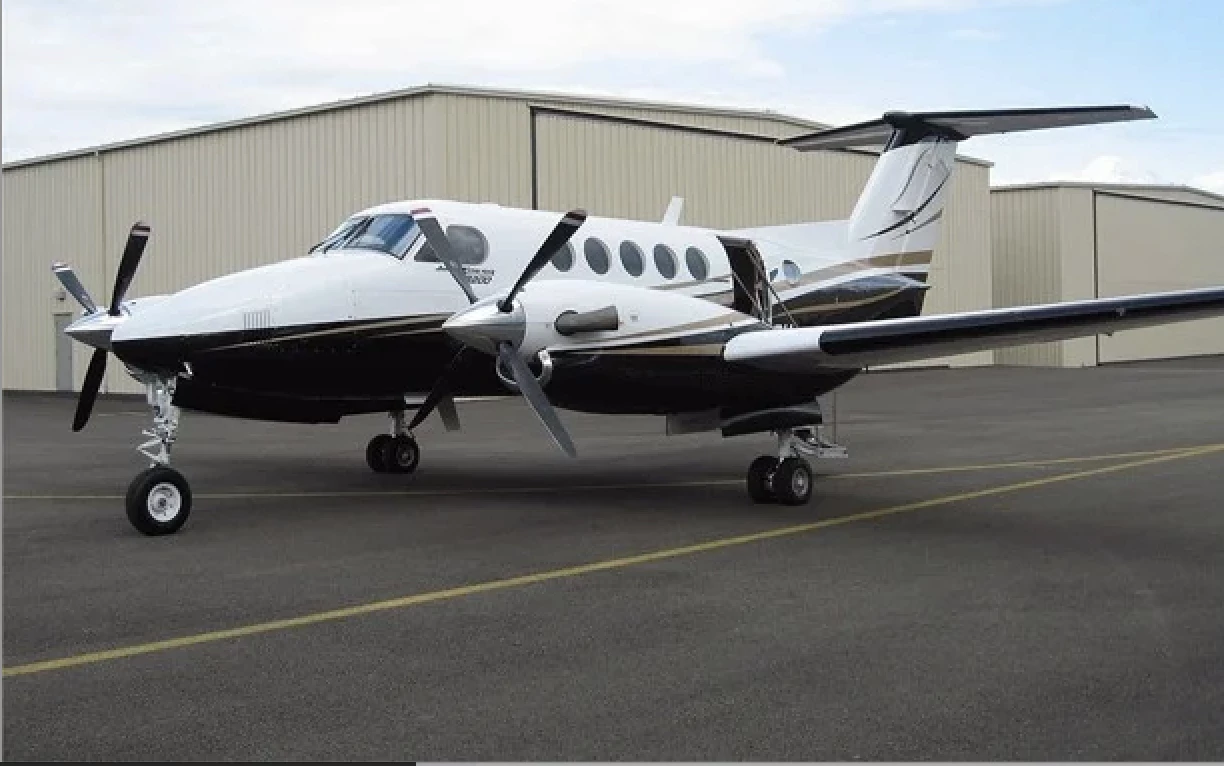
Beechcraft King Air models represent the twin engine turboprop standard, with 90, 200, 250, and 350 series aircraft offering progressively greater capability. The King Air 200 and similar variants prove most common in Germany, providing pressurized twin turbine reliability, comfortable six to eight passenger seating, and operating costs substantially below light jets. King Air short field performance enables access to secondary airports, while proven reliability accumulated over decades and tens of thousands of examples supports confident operations. Extensive maintenance infrastructure throughout Europe ensures service availability, though parts costs and maintenance intervals require consideration during acquisition analyses balancing purchase price against ongoing operational expenses.
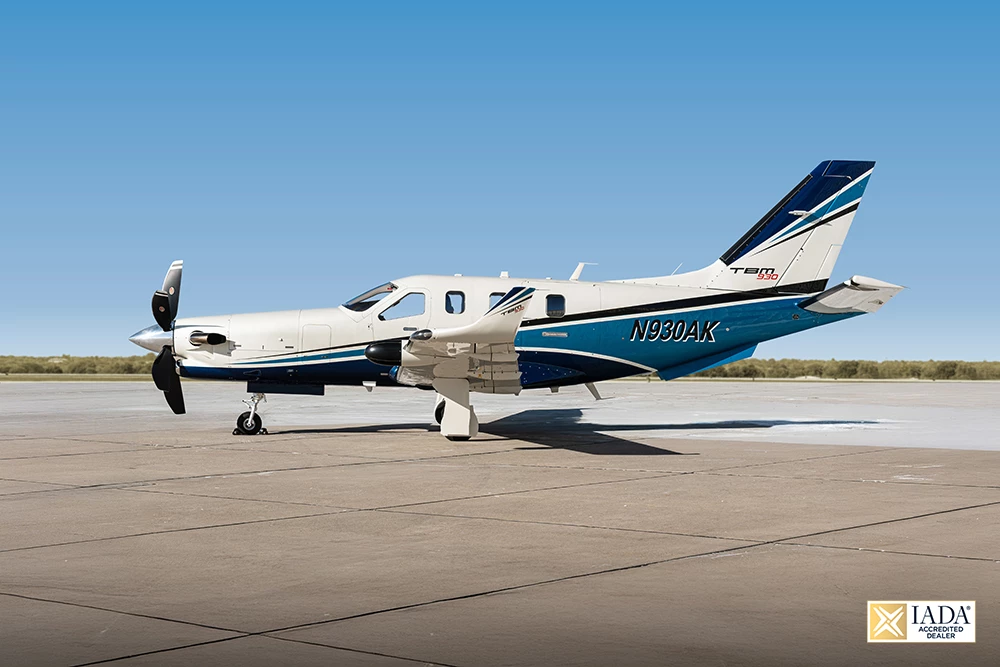
TBM series aircraft from Daher offer high performance single engine turboprop operations, with current 960 models cruising near 330 knots at altitudes reaching 31,000 feet. These aircraft emphasize speed approaching light jets while maintaining single engine operating economics and certification. TBM models suit operators prioritizing performance over cabin volume, as the relatively compact fuselage accommodates four passengers comfortably with limited baggage capacity compared to PC 12 or King Air alternatives. German operators attracted to TBM performance include owner pilots seeking maximum capability in single pilot aircraft and companies with missions emphasizing rapid point to point transport over passenger capacity or cargo flexibility.
Turboprop operating costs typically range from 400,000 to 800,000 euros annually depending on aircraft type and utilization levels. Single engine turboprops like PC 12 and TBM aircraft generally cost less to operate than twin engine King Airs, reflecting differences in fuel consumption, maintenance complexity, and insurance premiums. Fixed costs including insurance, hangar, and crew represent approximately 40 to 50 percent of total expenses, with variable costs scaling with flight hours. Fuel consumption varies substantially by model, with efficient turboprops burning 40 to 80 gallons per hour compared to 100 to 150 gallons typical of light jets covering similar routes at marginally higher speeds.
Maintenance programs follow manufacturer recommendations with scheduled inspections at defined intervals. Hot section inspections on turbine engines occur around 3,500 to 5,000 hour intervals depending on engine type, with costs ranging from 100,000 to 250,000 euros. Overhaul requirements extend to 7,000 to 10,000 hours or more on modern engines, representing substantial expenses requiring reserve accrual throughout engine life. German operators typically engage Part 145 facilities for scheduled maintenance, ensuring regulatory compliance and proper documentation supporting airworthiness and value retention. Budgeting realistic maintenance reserves prevents surprises and enables informed decisions regarding aircraft retention versus replacement as engines approach expensive inspection intervals.
Insurance costs for turboprops reflect aircraft values, pilot qualifications, and operational profiles. Experienced turbine pilots with appropriate type ratings and substantial flight time generally secure reasonable premiums, while low time turbine pilots or those transitioning from piston experience face higher costs or coverage restrictions requiring additional training. Hull values for late model turboprops range from one million euros for older King Airs through six million euros for recent PC 12 NG or TBM 960 aircraft. Liability coverage follows operational requirements, with higher limits required for commercial operations compared to private use. Engaging aviation insurance specialists familiar with German operations ensures appropriate coverage at competitive premiums.
Turboprops excel at missions under 500 nautical miles where their efficiency advantages overcome jet speed benefits. A PC 12 flight from Munich to Hamburg requires approximately 90 minutes compared to perhaps 70 minutes in a light jet, a marginal difference given ground time and positioning considerations. However, the turboprop consumes substantially less fuel, generates lower operating costs, and provides superior short field performance if utilizing secondary airports closer to destinations. For typical German business aviation missions connecting industrial centers throughout the country and neighboring nations, turboprops deliver optimal economics and operational flexibility matching mission profiles efficiently.
Longer missions shift economics toward jets as cruise speed advantages accumulate and jet efficiency improves at higher altitudes. A flight from Munich to Lisbon stretches turboprop endurance approaching maximum ranges while consuming similar fuel quantities to more efficient jet cruise. Headwind sensitivity affects turboprops more significantly than faster jets, with strong headwinds substantially extending flight times and reducing effective ranges. German operators conducting regular longer routes often select jets despite higher operating costs, accepting expenses for time savings that accumulate substantially across annual utilization. Mission analysis during aircraft selection should examine actual travel patterns rather than theoretical capabilities, ensuring selected aircraft match predominant requirements.
Passenger considerations also influence turboprop suitability. While modern turboprops offer comfortable pressurized cabins with amenities approaching light jets, propeller noise exceeds jet cabin environments despite substantial noise reduction improvements in recent designs. Some passengers perceive turboprops as less sophisticated than jets regardless of actual capability, creating potential image concerns for companies emphasizing prestige or luxury. However, practical operators focused on efficiency over appearances recognize that well maintained turboprops deliver reliable transportation at substantially lower costs than jet alternatives for appropriate missions. Cultural attitudes toward aviation in Germany generally favor substance over show, making turboprops acceptable choices for serious business aviation applications.
The turboprop market continues evolving with technological improvements enhancing capabilities while maintaining the segment's core advantages. Modern avionics including touchscreen flight displays, synthetic vision, and advanced autopilot systems bring turboprop cockpits to parity with sophisticated jets. Cabin improvements including improved soundproofing, connectivity options, and enhanced environmental systems narrow comfort gaps compared to jet alternatives. These refinements make newer turboprops increasingly attractive compared to older inventory, potentially affecting used aircraft values as buyers prioritize modern equipment over older designs despite continued airworthiness and mechanical reliability.
Environmental considerations favor turboprops through inherent efficiency advantages and growing sustainable aviation fuel availability. Operators emphasizing carbon footprint reduction find turboprops deliver lower emissions than jets for typical missions while maintaining practical business aviation capabilities. This alignment with sustainability objectives may enhance turboprop appeal as environmental considerations increasingly influence corporate aviation decisions. Some manufacturers explore hybrid electric propulsion for smaller turboprops, though these technologies remain developmental with unclear certification timelines and practical applicability to serious business aviation missions requiring reliable performance and comprehensive support infrastructure.
Explore turboprop aircraft opportunities combining efficiency with capability. Browse current listings featuring PC 12, King Air, TBM, and other proven models offering versatile performance for regional business travel and diverse utility missions. Our platform provides comprehensive specifications, detailed photography, and direct seller contact enabling informed evaluation of available inventory. Whether upgrading from piston aircraft, establishing corporate flight operations, or optimizing existing aviation assets, begin your search today. Review turboprops for sale and discover quality aircraft meeting German operational standards for maintenance documentation and airworthiness compliance.
Browse our full global inventory of turboprops for sale.
Turboprops typically cost 30 to 50 percent less to operate than comparable light jets for regional missions, primarily through lower fuel consumption and reduced maintenance expenses. A PC 12 or TBM typically burns 40 to 50 gallons per hour compared to 100 to 150 gallons for light jets like Citation CJs or Phenom 100s. Maintenance costs prove generally lower for turboprops through simpler systems and less complex inspections, though turbine hot section inspections represent substantial expenses requiring reserve accrual. The cost advantages prove most significant on shorter missions under 500 nautical miles where turboprop efficiency overcomes jet speed benefits.
Turboprops generally demonstrate superior short field performance compared to jets, enabling operations from runways 3,000 to 4,000 feet or shorter depending on conditions and weight. This capability provides access to regional airports throughout Germany and Europe that exclude most jets due to runway length limitations. Models like PC 12 can operate from grass strips when conditions permit, further expanding operational flexibility. However, noise restrictions at some airports may limit turboprop operations despite adequate runway length, and operators should verify specific airport acceptance before planning operations to unfamiliar facilities. The access advantages enable positioning aircraft closer to business destinations, often delivering greater time savings than jet speed advantages.
Single pilot operations in aircraft like PC 12 and TBM models prove practical for appropriately qualified pilots operating in favorable conditions. Modern avionics including sophisticated autopilots, electronic checklists, and integrated systems reduce workload enabling safe single pilot operations. However, two pilot crews provide valuable safety margins through workload sharing, cross checking, and backup capability if one pilot becomes incapacitated. Many German operators maintain two pilot crews despite single pilot certification, prioritizing safety margins over cost savings. Owner pilots successfully operate single pilot turboprops meeting currency requirements and maintaining proficiency, though professional training and disciplined procedures prove essential for safe operations.
Modern turboprops offer ranges from 1,200 to 1,800 nautical miles with reserves, sufficient for most European missions from German bases. A PC 12 NG easily reaches London, Paris, Rome, Madrid, or Warsaw nonstop from Munich or Frankfurt. However, peripheral destinations like Lisbon, Athens, or Moscow stretch turboprop capabilities particularly with headwinds, where jets provide comfortable margins. Turboprops prove ideal for missions throughout central Europe, Scandinavia, and Mediterranean regions, with range limitations affecting only longer routes where jet speed advantages also justify higher operating costs. Mission analysis should examine actual travel patterns, as most business aviation flights fall well within turboprop capabilities despite theoretical range limitations.