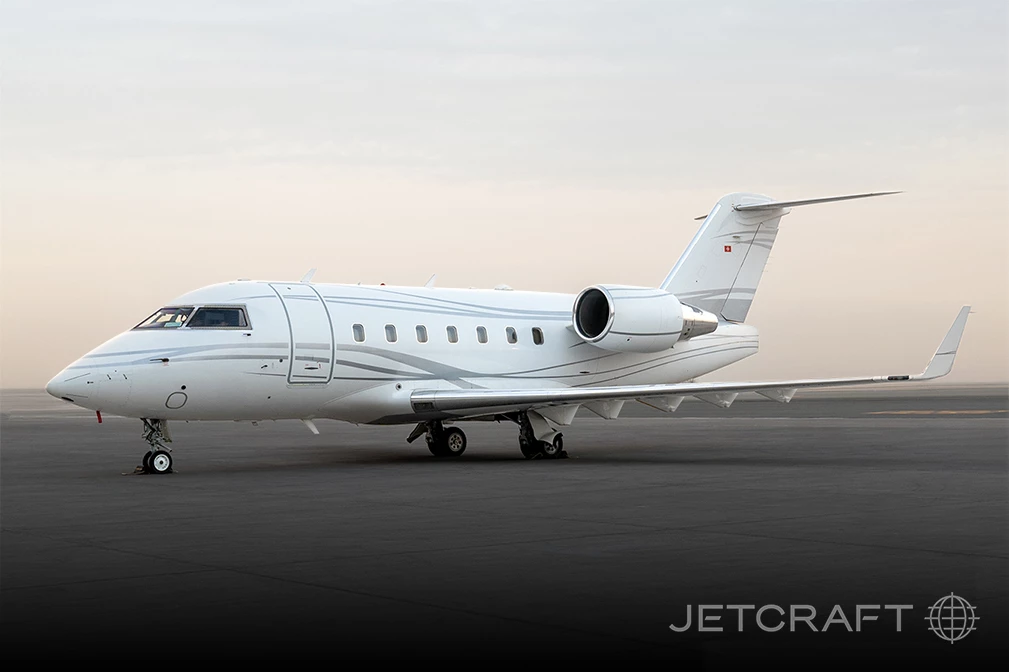
Private jet ownership in Germany combines practical business utility with the prestige and flexibility that personal aviation delivers. The country's position as Europe's economic powerhouse generates substantial demand for time efficient transportation connecting major business centers domestically and throughout the continent. Private jets enable executives and entrepreneurs to optimize schedules unconstrained by airline routing and timetables, accessing hundreds of European destinations within comfortable day trips while maintaining productivity throughout travel. German operators favor jets demonstrating engineering excellence, operational reliability, and lifecycle value over ostentatious features or excessive capability rarely utilized in typical missions.
The German private jet market encompasses aircraft from very light jets ideal for short regional hops through midsize cabin jets offering transcontinental European range to ultra long range aircraft enabling nonstop intercontinental travel. Frankfurt and Munich serve as principal bases for private aviation, offering sophisticated FBO services, maintenance infrastructure, and global connectivity. However, the country's extensive airport network enables operators to position aircraft throughout regions, providing geographic flexibility that maximizes utility. Buyers seeking private jets in Germany access quality inventory reflecting the market's maturity, regulatory sophistication, and operational professionalism.
German private jet operations reflect the country's industrial character and business culture. Rather than conspicuous consumption, aircraft ownership represents calculated investments in executive efficiency and competitive advantage. Mittelstand companies operating globally utilize jets accessing remote facilities, conducting customer visits, and enabling management presence at dispersed operations. Family owned enterprises, professional services firms, and technology companies recognize that hours saved through direct aviation enable growth that dwarfs aircraft operating costs when executives focus on high value activities rather than airport delays and connection hassles.
Cultural attitudes toward wealth display influence German private aviation more subtly than in some markets. While successful entrepreneurs and established family businesses operate sophisticated aircraft, ostentatious excess draws criticism in a society valuing substance over flash. German operators typically choose aircraft meeting mission requirements without unnecessary extravagance, favoring proven designs over latest models when performance differences fail to justify substantial price premiums. This pragmatism creates active markets for well maintained pre owned jets offering excellent value compared to factory new alternatives, with savings redirected toward business growth rather than marginal aviation improvements.
Privacy and discretion represent valued aspects of German private aviation. Unlike jurisdictions where aircraft ownership becomes public theater, German operators generally maintain low profiles regarding aviation assets. This preference extends to aircraft selection, with many owners avoiding ultra conspicuous types favoring more subtle options delivering required capability without broadcasting wealth. The culture supports serious aviation users rather than status seekers, creating an operator community focused on functionality, safety, and operational excellence rather than competitive aircraft display.
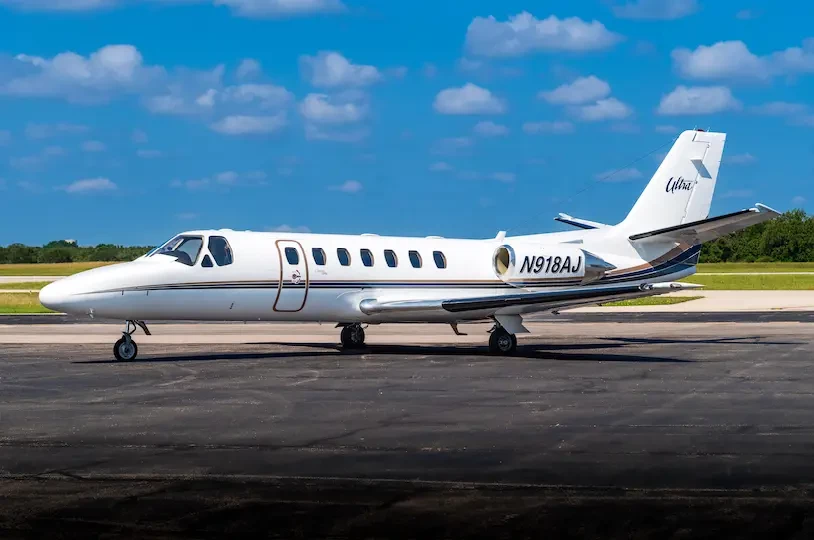
Light jet inventory in Germany includes popular models such as Citation CJ series aircraft, Phenom 100 and 300 jets, and Learjet 40 and 45 variants. These aircraft suit operators requiring efficient regional capability, typically seating four to six passengers and offering ranges around 1,500 to 2,000 nautical miles. Light jets balance acquisition costs, operating expenses, and performance for missions within Europe and to North African destinations. Single pilot certification for many light jets enables owner operators to minimize crew costs, though most German operators engage professional pilots maintaining safety margins and insurance compliance regardless of certification minimums.
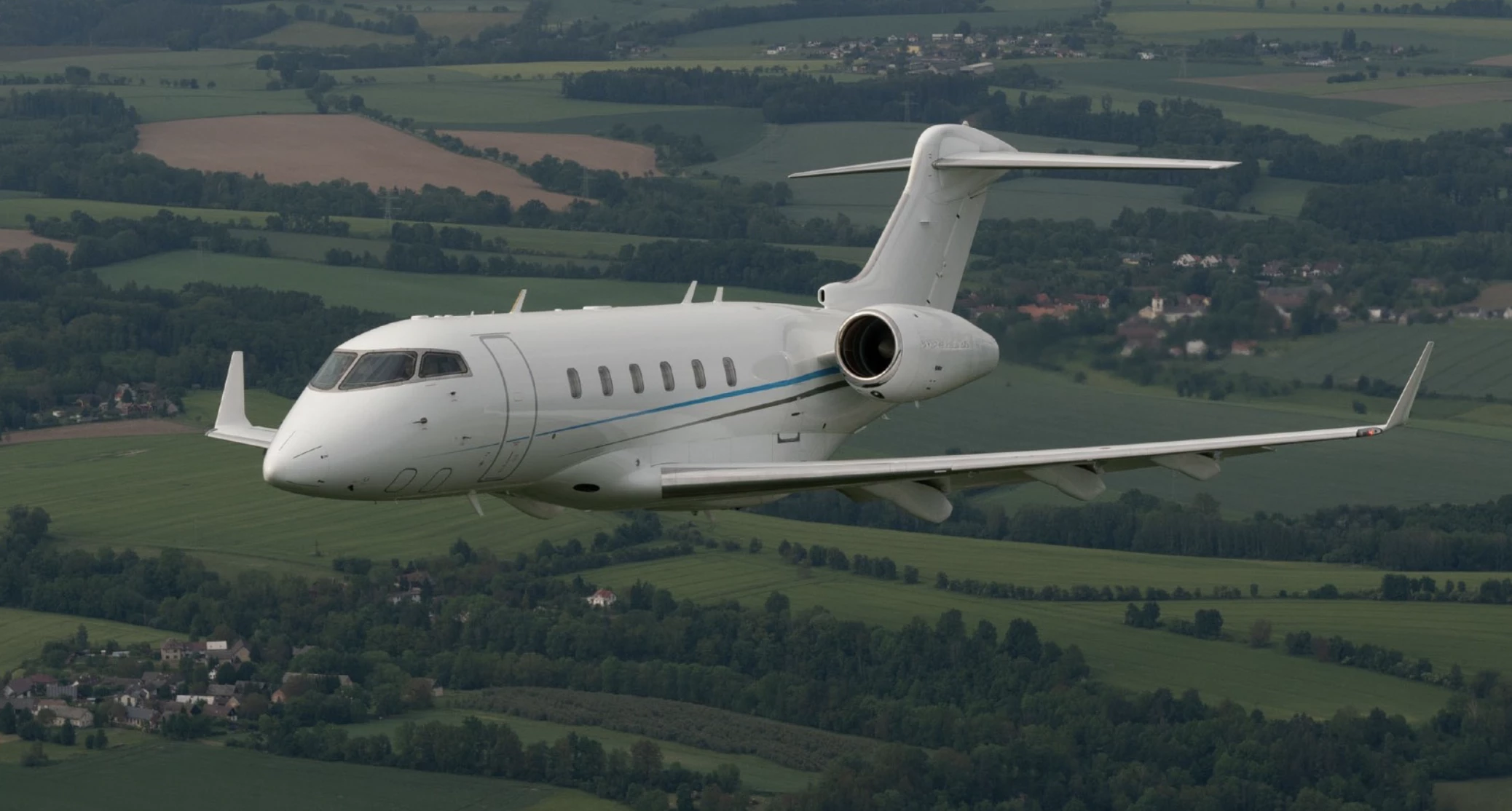
Midsize jets including Citation Excel and XLS models, Hawker 800 and 900 variants, and Learjet 60 aircraft dominate the German market for operators requiring transcontinental European capability with comfortable six to eight passenger seating. These aircraft enable nonstop flights from German bases to destinations throughout Europe, western Russia, and North Africa while maintaining reasonable operating costs and widespread maintenance support infrastructure. The midsize category represents the sweet spot for many German operators balancing capability, cost, and operational flexibility without the complexity and expense of larger aircraft rarely flying missions justifying their capabilities.
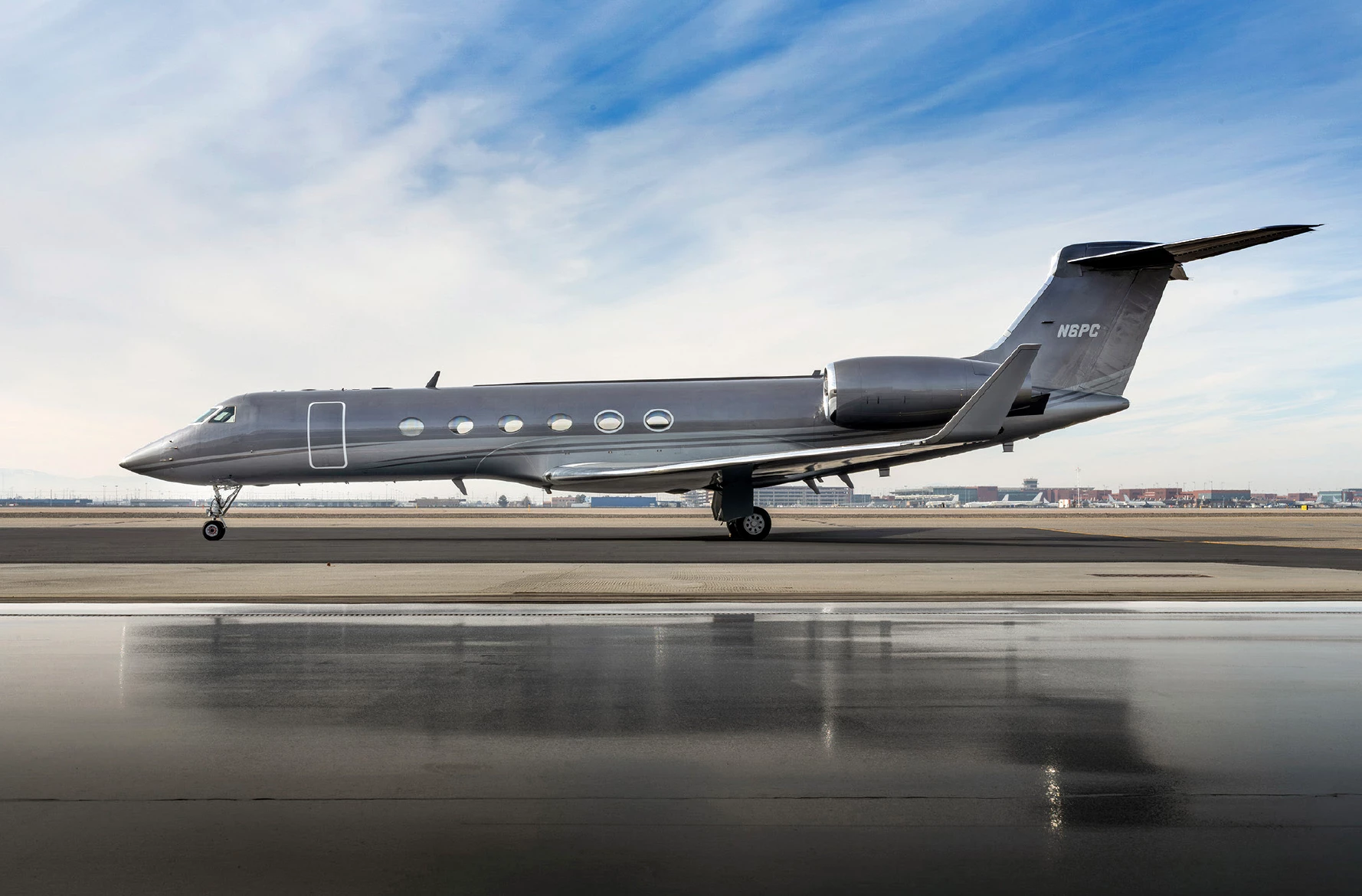
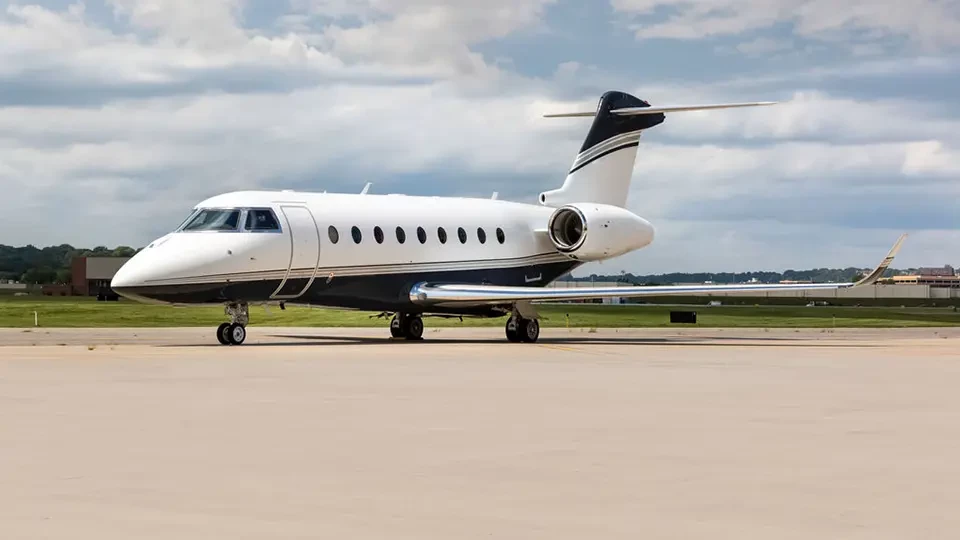
Large cabin jets including Gulfstream G series aircraft, Bombardier Global Express variants, and Dassault Falcon 7X and 8X models serve operators requiring intercontinental range, spacious cabins, and flagship comfort. These aircraft enable nonstop transatlantic crossings from German bases to North American destinations, Middle East connectivity, and Asian reach depending on specific model capabilities. German operators of large jets typically represent substantial enterprises, established family offices, or ultra high net worth individuals conducting truly global operations. The category demands sophisticated operational support including experienced flight crews, comprehensive maintenance programs, and substantial operating budgets, making it appropriate only for missions genuinely requiring long range capability.
German private jet ownership utilizes various legal structures balancing operational flexibility, tax efficiency, and regulatory compliance. Direct individual ownership provides simplicity though offers limited liability protection and may create tax complications. Limited liability companies (GmbH structures) represent common ownership vehicles, providing legal separation between personal assets and aviation activities while enabling tax deduction of legitimate business expenses. Some operators utilize specialized aviation holding companies or lease arrangements optimizing tax treatment while maintaining operational control over aircraft scheduling and management.
Many German private jet owners establish relationships with aircraft management companies handling operational details including crew employment, maintenance coordination, insurance procurement, and regulatory compliance. Management arrangements range from full service programs where specialists assume comprehensive responsibility through advisory services supporting owner managed operations. Charter revenue opportunities through Part CAT certification enable offsetting operating costs when aircraft sit idle, though regulatory requirements, insurance implications, and utilization impacts require careful evaluation. Buyers should analyze management options during acquisition planning, ensuring selected approaches align with ownership objectives and operational preferences.
Financing private jet acquisitions involves specialized lenders understanding aviation asset values, regulatory frameworks, and operational economics. German banks provide competitive terms for creditworthy borrowers, while international aviation finance companies offer structured solutions including operating leases and sale leaseback arrangements. Typical loan to value ratios reach 70 to 80 percent for newer jets with substantial values, with terms extending ten to fifteen years depending on aircraft age and anticipated utilization. Buyers should engage aviation finance advisors early in acquisition processes, structuring optimal financing supporting purchase completion and ongoing operational requirements.
Operating private jets in Germany requires comprehensive support infrastructure addressing maintenance, crew resources, and facilities. Major airports including Frankfurt, Munich, and Dusseldorf offer sophisticated FBO services providing passenger amenities, ground handling, and concierge services. Part 145 maintenance facilities at these and other locations deliver scheduled inspections, unscheduled repairs, and avionics installations supporting various aircraft types. Establishing relationships with qualified maintenance providers proves essential, ensuring access to services when required and building organizational knowledge regarding specific aircraft characteristics and history.
Crew recruitment and management represents ongoing operational requirements for most private jet operations. German regulations require pilots meeting EASA licensing standards including type ratings, instrument qualifications, and medical certifications. Many operators engage crew through management companies handling employment administration, training coordination, and scheduling. Others establish direct employment relationships, building dedicated teams focused exclusively on owner operations. Crew costs including salaries, training, travel expenses, and benefits represent substantial portions of operating budgets, requiring careful planning and realistic budget allocation supporting safe, professional operations.
Hangar facilities protect aircraft investments from weather while providing operational convenience and security. Most major German airports offer individual hangars or shared facilities, though availability and costs vary significantly by location. Some operators accept ramp parking during active periods, utilizing hangars only for extended idle time or maintenance activities. Facility decisions balance costs against weather protection benefits, security considerations, and operational convenience. Long term planning should address hangar requirements, as space availability at premier locations sometimes constrains options requiring creative solutions or operational compromises.
The German private jet market continues maturing alongside broader economic developments and technological advancement. Environmental considerations increasingly influence acquisition decisions, with newer aircraft featuring improved fuel efficiency and reduced emissions attracting buyers prioritizing sustainability alongside operational capability. Sustainable aviation fuel availability grows throughout German airports, enabling operators reducing carbon footprints while maintaining flight operations. These trends particularly affect larger jets where fuel consumption represents substantial costs and environmental impacts, potentially accelerating depreciation of older generation aircraft lacking modern efficiency.
Technological advancement in avionics, connectivity, and cabin systems differentiates newer aircraft from earlier production. Touchscreen flight decks, synthetic vision, advanced weather radar, and enhanced autopilot capabilities improve safety margins while reducing pilot workload. Cabin connectivity including high speed internet enables productive in flight work, maintaining business continuity during travel. While retrofit programs enable older aircraft incorporating some improvements, factory integration offers superior solutions justifying premiums for later production examples. Buyers should evaluate technology fit during aircraft selection, recognizing that dated systems impact both operational utility and eventual resale appeal.
Ready to explore private jet ownership opportunities in Germany? Browse current listings to discover available aircraft across all categories, from efficient light jets for regional travel through capable midsize aircraft to flagship large cabin jets enabling worldwide operations. Our platform provides detailed specifications, comprehensive photography, and direct seller contact facilitating efficient evaluation of opportunities. Whether you contemplate first time ownership or plan upgrading existing aircraft, begin your search today. Review business jets for sale and access quality inventory reflecting German market standards for maintenance documentation, operational history, and transaction transparency.
Browse our full global inventory of private jets for sale.
Operating costs vary substantially by aircraft category. Light jets typically cost between 800,000 and 1,500,000 euros annually including crew, maintenance, insurance, hangar, and variable expenses for moderate utilization. Midsize jets range from 1,500,000 to 2,500,000 euros yearly, while large cabin jets often exceed 3,000,000 to 5,000,000 euros depending on utilization and specific aircraft. Fixed costs including crew salaries, insurance, and hangar represent 50 to 60 percent of budgets, with variable costs like fuel, maintenance reserves, and landing fees scaling with flight hours. Detailed operating budgets should be developed with assistance from aircraft management companies providing realistic expense projections.
The ownership versus charter decision depends on anticipated annual utilization, schedule flexibility requirements, and total aviation budget. Ownership generally proves economical above 200 to 300 flight hours annually, providing aircraft availability, operational control, and potential charter revenue offsetting costs. Charter offers flexibility without ownership responsibilities, though hourly rates substantially exceed direct operating costs and availability cannot be guaranteed during peak periods. Many operators begin with charter evaluating utilization patterns before committing to ownership, or combine owned aircraft for frequent routes with charter supplementing capacity for unusual missions. Analyzing specific travel requirements with aviation consultants helps determine optimal approaches.
German private jet operations require pilots holding EASA commercial pilot licenses with instrument ratings and type ratings for specific aircraft. Most jets require two pilot crews unless certified for single pilot operations, with both pilots meeting currency and medical requirements. Minimum flight experience varies by aircraft, with insurance companies often mandating higher standards than regulatory minimums. Typical requirements include 1,500 to 3,000 total flight hours, significant turbine time, and type specific experience. Ongoing training including recurrent simulator sessions and line checks maintains proficiency. Owner pilots can fly their aircraft meeting these standards, though most German operators engage professional crews ensuring safety margins and operational reliability.
German ownership emphasizes engineering rigor, lifecycle cost analysis, and operational substance over status display. German operators typically conduct more thorough due diligence, maintain more comprehensive documentation, and prioritize proven aircraft over latest models compared to some other markets. The regulatory environment through EASA and LBA provides robust frameworks supporting safe operations with less variability than US state level regulations. Cultural attitudes favor discretion over conspicuous consumption, influencing aircraft selection and operational approaches. Market maturity, financing availability, and support infrastructure prove comparable to UK and US, though German efficiency culture and pragmatic decision making distinguish operational philosophies and market dynamics.