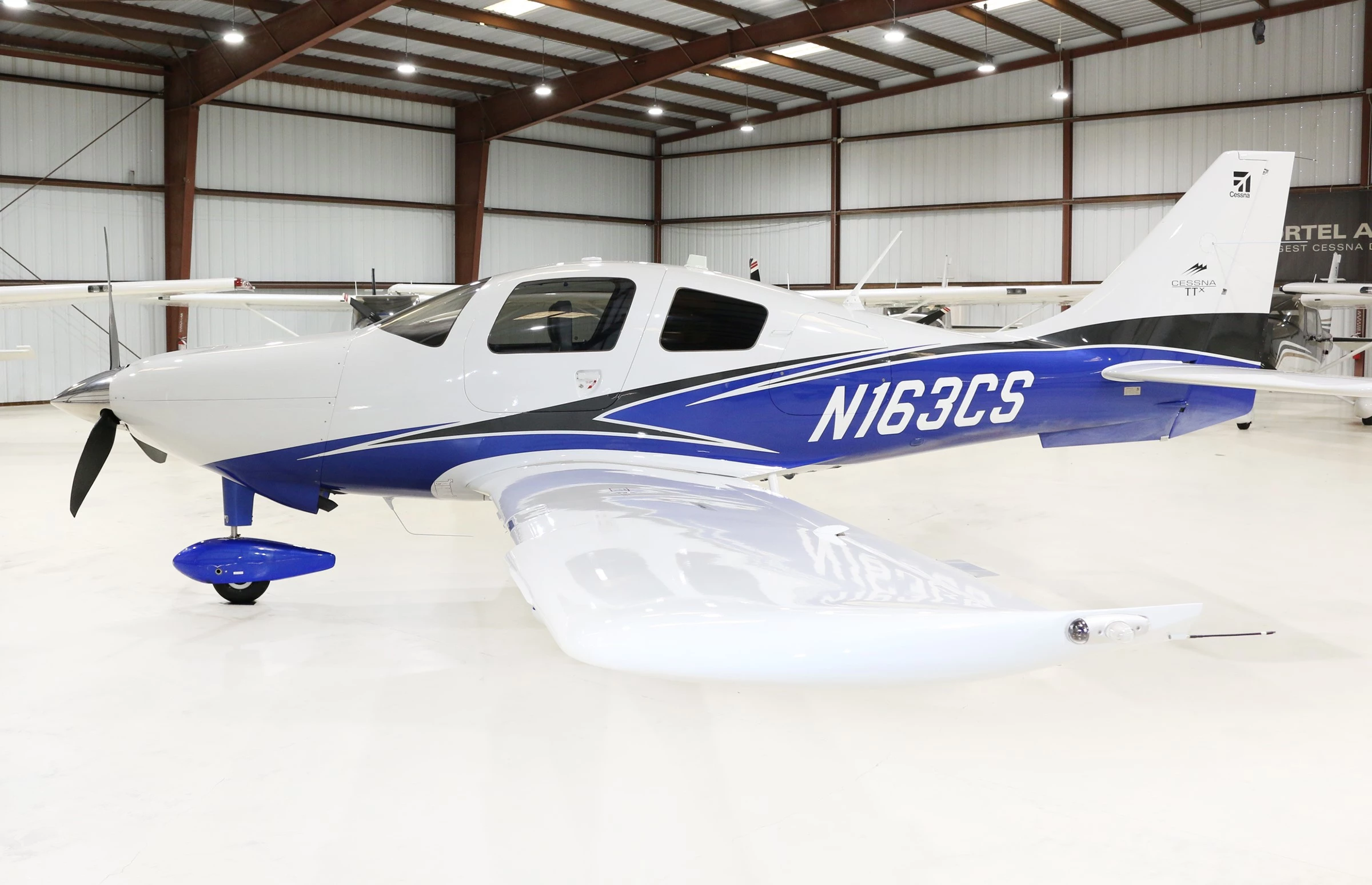
Piston aircraft form the foundation of German general aviation, supporting flight training, recreational flying, and personal transportation throughout the country's extensive aviation infrastructure. From busy flying schools at major airports through local aero clubs (Luftsportvereine) operating grass strips in rural regions, piston powered aircraft enable thousands of pilots developing skills, maintaining currency, and enjoying the freedom that aviation provides. The German piston aircraft market reflects the country's strong aviation tradition including gliding heritage, systematic training culture, and recreational flying communities maintaining active participation across generations. Quality piston aircraft available in Germany typically demonstrate careful maintenance, comprehensive documentation, and operation according to standards reflecting German thoroughness.
The market encompasses everything from basic two seat trainers through sophisticated single engine aircraft featuring advanced avionics to capable twins offering true cross country performance and redundancy. German buyers prioritize operational reliability, reasonable costs, and practical capability over exotic features or maximum performance. This pragmatic approach creates healthy markets for proven designs including Cessna singles, Piper models, Diamond aircraft manufactured in Austria, and Cirrus aircraft combining modern systems with innovative safety features. Whether you seek a trainer for initial instruction, personal transportation for recreational travel, or a capable cross country machine for serious touring, piston aircraft for sale in Germany provide options across capability levels and budget ranges.
Flight training represents the primary mission for many piston aircraft in Germany, with schools throughout the country operating fleets supporting ab initio instruction through advanced ratings. The Cessna 152 and 172 remain ubiquitous trainers despite production ending years ago, valued for simplicity, parts availability, and decades of institutional knowledge regarding maintenance and operations. These aircraft enable cost effective training with operating expenses manageable for students and schools alike. German flight schools maintain trainers to high standards, conducting comprehensive maintenance and replacing aircraft reaching conditions where continued operation proves uneconomical compared to investing in newer alternatives.
Diamond Aircraft models including DA20 and DA40 variants gain market share in German training fleets through modern design, composite construction, and excellent fuel efficiency. These aircraft feature glass cockpits preparing students for advanced aircraft avionics while demonstrating impressive reliability and lower operating costs compared to legacy designs. The DA42 twin provides multi engine training in an efficient platform consuming substantially less fuel than traditional piston twins while offering modern systems and excellent handling characteristics. Flight schools appreciate Diamond support infrastructure, predictable maintenance costs, and student appeal of modern aircraft featuring contemporary technology rather than decades old designs.
The Piper PA28 series including Warrior, Archer, and Arrow variants serve training and club flying throughout Germany. These aircraft offer solid construction, straightforward systems, and performance adequate for European touring alongside training duties. Many Luftsportvereine operate PA28 aircraft enabling members to pursue ratings and build experience in cost effective aircraft with reasonable purchase prices and manageable operating expenses. The combination of capability, affordability, and widespread familiarity makes PA28 models perennial favorites in German recreational aviation despite more sophisticated alternatives offering incremental improvements at substantially higher acquisition and operating costs.
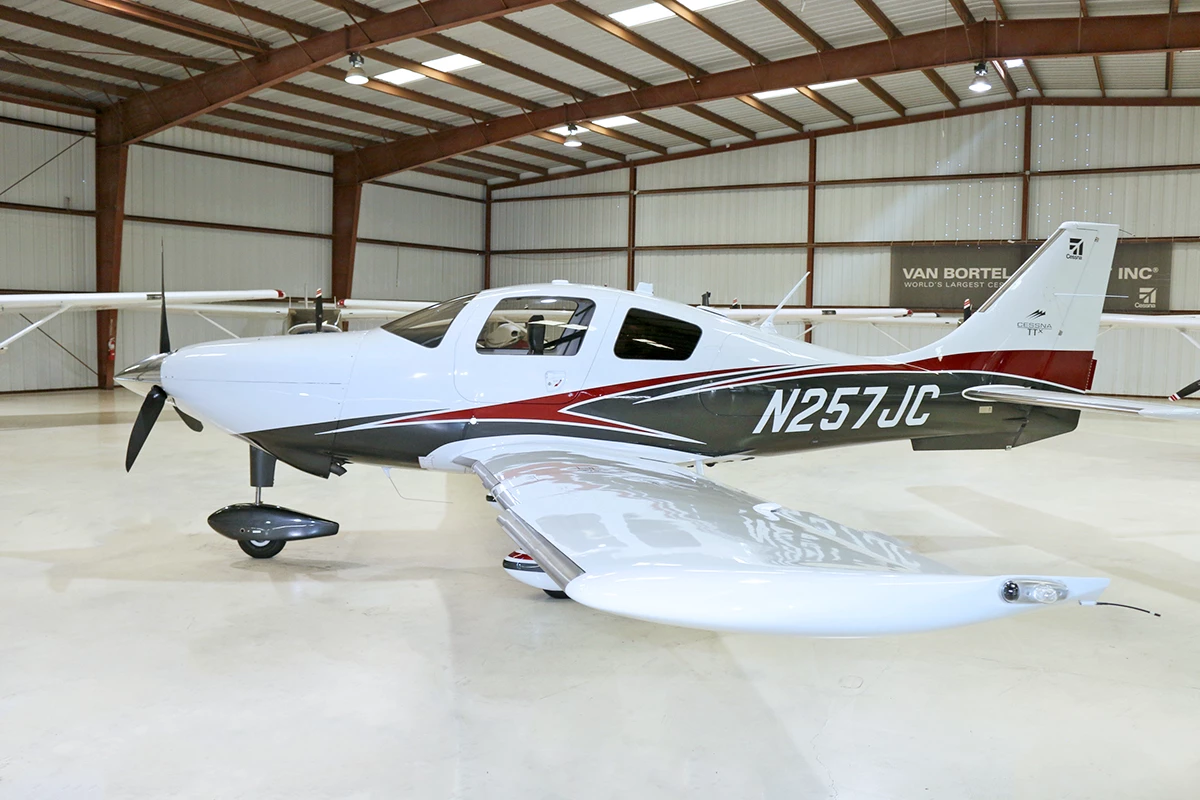
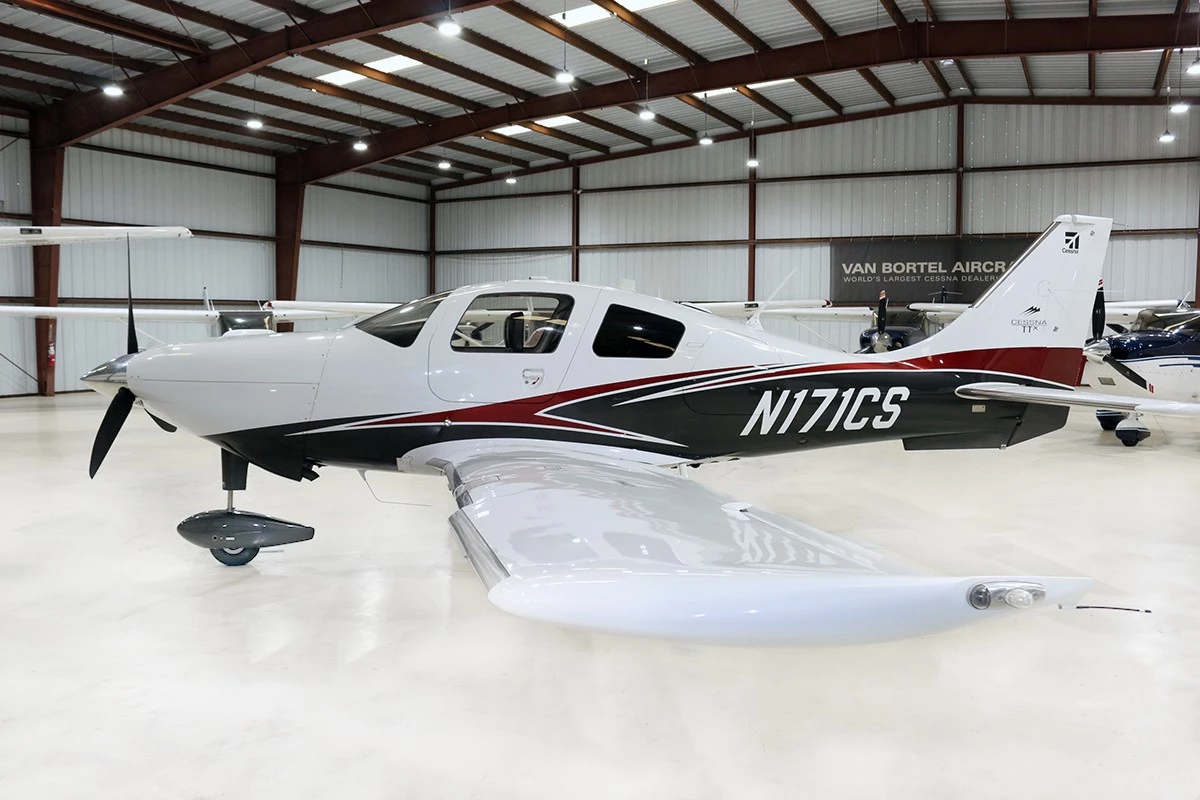
Single engine piston aircraft provide practical personal transportation for German pilots willing to accept weather limitations and moderate speeds compared to turbine alternatives. Models like Cessna 182 and 206 aircraft, Piper Dakota and Saratoga variants, and Cirrus SR20 and SR22 models offer comfortable four to six seat capacity, cruise speeds around 130 to 180 knots, and useful loads accommodating passengers and baggage for weekend trips or vacation travel. These aircraft enable point to point travel throughout Europe at direct operating costs substantially below turboprops or jets, though weather dependence and unpressurized operations limit utility compared to more capable aircraft. For recreational pilots and those combining business requirements with aviation enthusiasm, capable singles deliver rewarding flying and genuine transportation utility.
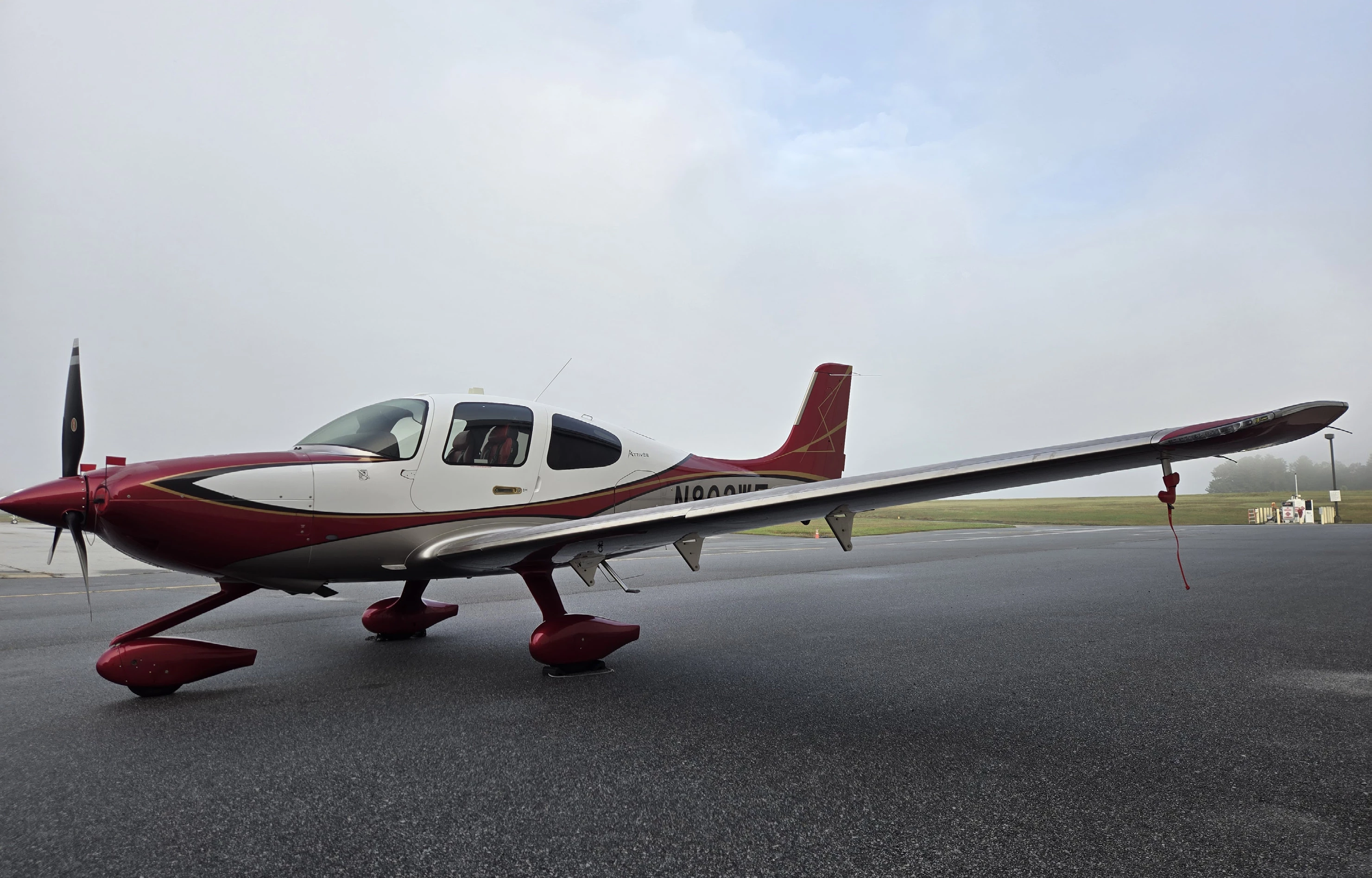
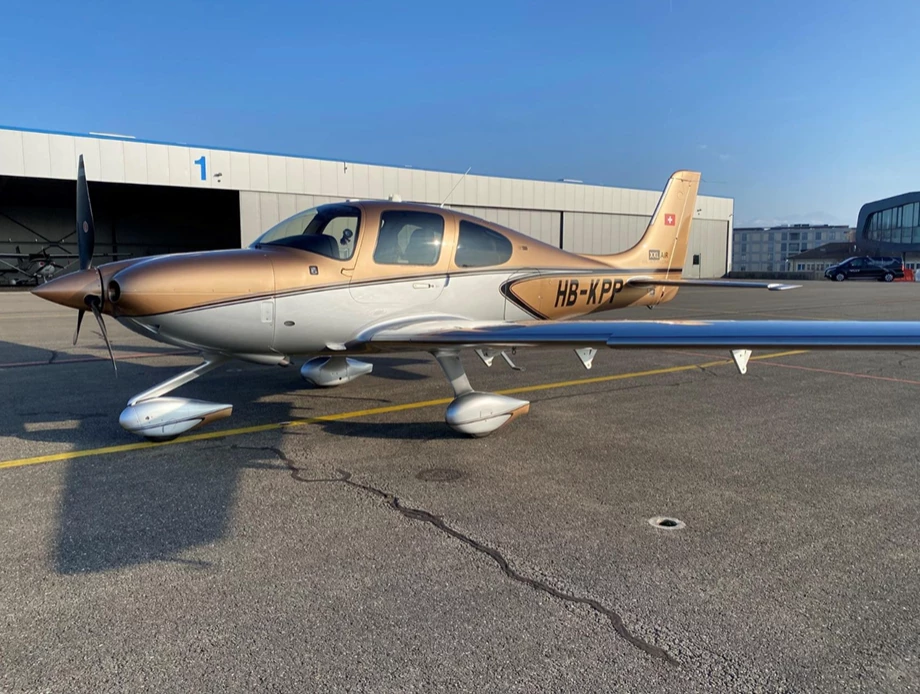
The Cirrus SR22 particularly attracts German buyers seeking modern design, sophisticated avionics, and safety innovations including the Cirrus Airframe Parachute System providing whole aircraft emergency recovery capability. These aircraft feature composite construction, side stick controls, and large format touchscreen avionics delivering capabilities approaching light twins while maintaining single engine operating economics. German Cirrus owners appreciate build quality, comprehensive support networks, and active owner communities sharing operational knowledge. However, acquisition costs exceeding 600,000 euros for recent examples and operating expenses approaching 200 euros per hour limit appeal primarily to well funded pilots prioritizing technology and safety features over economy.
Piston twins including Beech Baron, Piper Seneca and Aztec, and Cessna 310 and 340 models serve pilots requiring twin engine redundancy, greater useful loads, or higher cruise speeds than singles provide. These aircraft enable IFR travel in weather grounding most singles, access to flight levels providing smoother rides and better winds, and psychological comfort from engine redundancy over challenging terrain or water. However, operating costs often approach turboprops while delivering substantially less performance, creating questionable economics for most missions. German twin operators typically represent experienced pilots with specific mission requirements or strong preferences for piston twin flying despite economic realities favoring turboprop upgrades for serious business transportation or long range touring.
Luftsportvereine (flying clubs) represent distinctive features of German general aviation, with hundreds of clubs throughout the country operating from grass strips, small paved airports, and shared facilities at larger airfields. These member owned organizations maintain aircraft fleets, provide instruction, and foster aviation communities where pilots share costs, responsibilities, and flying passion. Club aircraft typically include trainers supporting member instruction alongside more capable machines for cross country flying, with ownership structures spreading costs across memberships making aviation accessible to participants unable to afford individual aircraft ownership. This club tradition maintains active general aviation participation and introduces new pilots to flying through approachable community environments.
Gliding tradition in Germany influences powered flying culture and infrastructure. Many power pilots begin in gliders, developing fundamental stick and rudder skills, soaring knowledge, and aviation passion before transitioning to powered aircraft. This background creates pilot communities valuing basic flying skills, weather knowledge, and airmanship over reliance on automation or advanced systems. The gliding heritage also explains Germany's extensive small airport network, with fields originally supporting glider operations now accommodating both sailplanes and powered aircraft. This infrastructure enables diverse general aviation activities from primary training through recreational touring supporting vibrant aviation culture throughout the country.
Vintage aircraft and warbird operations represent specialized recreational aviation segments in Germany. Collectors and enthusiasts maintain classic designs from Piper Cubs and Cessna taildraggers through ex military trainers and aerobatic aircraft. These operations emphasize preservation, historical appreciation, and flying qualities that modern designs sometimes sacrifice for efficiency or capability. German regulations generally accommodate vintage operations while maintaining safety oversight appropriate to aircraft age and complexity. Active vintage aircraft communities share maintenance knowledge, parts sources, and operational experience sustaining classic aircraft continuing to fly decades after production ended and introducing new generations to aviation heritage.
Piston aircraft ownership costs vary dramatically by aircraft type, utilization, and operational approach. Basic two seat trainers like Cessna 152 aircraft cost perhaps 20,000 to 40,000 euros annually including insurance, maintenance, hangar, and flying 100 hours. Capable four seat singles like Cessna 182 or Piper Dakota variants typically run 40,000 to 70,000 euros yearly at similar utilization, while sophisticated aircraft like Cirrus SR22 models may exceed 80,000 to 100,000 euros annually including higher insurance premiums, maintenance costs, and database subscriptions for advanced avionics. These figures assume individual ownership; club participation substantially reduces costs through sharing across memberships though requires accepting shared scheduling and operational compromises.
Engine overhaul represents the largest maintenance expense in piston aircraft ownership, with typical overhauls costing 25,000 to 60,000 euros depending on engine size and overhaul specifications. Engines typically reach time between overhaul intervals around 1,400 to 2,000 hours, requiring owners to accrue reserves throughout engine life. Proper reserve accrual prevents financial surprises and enables informed decisions regarding overhaul versus aircraft replacement when engines approach limits. German owners typically utilize certified repair stations for major work, valuing documentation quality and regulatory compliance over potential cost savings from owner performed maintenance or uncertified facilities. This approach supports aircraft values and provides confidence regarding airworthiness compliance.
Insurance costs reflect aircraft values, pilot experience, and operational profiles. Basic liability coverage for trainers costs perhaps 1,000 to 2,000 euros annually, while comprehensive hull and liability coverage for valuable aircraft may exceed 8,000 to 15,000 euros yearly. Low time pilots or those without recent experience face higher premiums or coverage restrictions requiring additional dual instruction before solo operations. German insurance markets prove competitive with multiple providers offering reasonable rates for qualified pilots operating appropriate aircraft. Maintaining strong safety records, pursuing ongoing training, and operating conservatively supports favorable insurance terms and demonstrates operational professionalism valued by underwriters and the broader aviation community.
The German piston aircraft market faces demographic challenges as pilot populations age and younger generations show less interest in traditional aviation compared to previous eras. Flight training costs rising faster than inflation create barriers for aspiring pilots, while competing recreational options and changing cultural attitudes affect general aviation participation. These trends pressure flying clubs, flight schools, and the broader piston aircraft market as traditional participants age out without sufficient replacement by new pilots. Industry initiatives promoting aviation careers, youth outreach programs, and efforts reducing training costs attempt addressing these challenges with mixed success.
Technological advancement continues bringing sophisticated capabilities to piston aircraft through avionics improvements, safety innovations, and efficiency enhancements. Modern glass cockpits, advanced autopilots, and synthetic vision systems now appear in aircraft costing far less than would have been required a decade ago. Safety features including envelope protection, emergency descent modes, and improved weather information reduce accident rates and enhance single pilot capabilities. These improvements make modern piston aircraft more capable and safer than predecessors, though cannot overcome fundamental physics limiting piston performance compared to turbine alternatives. The technology progression creates value challenges for older aircraft lacking modern systems, potentially accelerating depreciation as buyers prioritize advanced capabilities.
Explore piston aircraft opportunities matching your flying requirements and budget. Browse current listings featuring trainers, touring aircraft, and capable singles and twins across price ranges from basic transportation through sophisticated modern designs. Our platform provides comprehensive specifications, detailed photography, and direct seller contact enabling efficient evaluation of available inventory. Whether pursuing initial training, personal recreational flying, or serious cross country touring, begin your search today. Review piston aircraft for sale and discover quality options reflecting German aviation standards for maintenance and documentation supporting confident acquisition decisions.
Browse our full global inventory of piston aircraft for sale.
Ownership costs vary substantially by aircraft type and utilization. Basic two seat trainers cost approximately 20,000 to 40,000 euros annually including insurance, hangar, maintenance, and 100 hours flying time. Capable four seat singles like Cessna 182 or Piper Dakota aircraft typically run 40,000 to 70,000 euros yearly, while sophisticated models like Cirrus SR22 may exceed 80,000 to 100,000 euros annually. Major expenses include engine reserves (accruing toward eventual overhaul costing 25,000 to 60,000 euros), annual inspections, insurance, hangar rental, and variable costs including fuel, oil, and maintenance. Flying club participation substantially reduces costs through shared ownership though requires accepting scheduling coordination with other members.
Piston aircraft provide limited business utility due to weather sensitivity, moderate speeds, and unpressurized operations restricting capability compared to turbine alternatives. High performance singles like Cirrus SR22 or Bonanza models cruise around 170 to 180 knots, requiring two to three hours for typical German domestic trips versus perhaps 90 minutes in turboprops. Weather dependence means IFR capability proves essential, though icing limitations and convective weather often prevent dispatch when business schedules demand reliability. For pilots combining aviation passion with occasional business travel and accepting weather related flexibility, capable pistons provide rewarding flying. However, serious business transportation requiring schedule reliability typically mandates turbine aircraft offering all weather capability and performance justifying operating costs through time savings.
Prioritize comprehensive logbook review documenting maintenance history, airworthiness directive compliance, and modification incorporation. Engage qualified pre purchase inspectors conducting detailed evaluations beyond superficial assessments, examining engine condition through borescope inspection and compression testing, airframe structures for corrosion or damage, and avionics functionality. Verify times remaining before major inspections or component overhauls, as upcoming expenses substantially affect aircraft values. Review registration status, ensure clear title, and confirm no outstanding liens or legal complications. German aircraft typically feature excellent documentation, though international purchases require extra diligence regarding import requirements and regulatory validation. Budget 5,000 to 15,000 euros for comprehensive pre purchase inspections depending on aircraft complexity, accepting costs as essential protection against expensive surprises.
Flying clubs provide aviation access at substantially lower costs than individual ownership through shared aircraft and expense distribution across memberships. Typical club participation costs perhaps 2,000 to 5,000 euros annually plus hourly rates around 100 to 200 euros depending on aircraft type, totaling perhaps 15,000 to 25,000 euros yearly for 100 hours compared to 40,000 to 70,000 euros for equivalent individual ownership. However, clubs require scheduling coordination, accepting operational compromises, and participating in club administration or maintenance activities. Individual ownership provides complete aircraft availability, control over maintenance standards and timing, and freedom operating without committee decisions or member politics. The choice depends on utilization levels, scheduling flexibility requirements, and preferences regarding shared versus individual ownership approaches.