Helicopter operations in Germany encompass diverse missions from emergency medical services and law enforcement through corporate transportation, offshore energy support, and utility work. The country hosts major helicopter manufacturing at the Airbus Helicopters facility in Donauworth, Bavaria, where models including H135, H145, and H160 undergo final assembly for worldwide delivery. This manufacturing presence supports a mature helicopter ecosystem including maintenance organizations, training facilities, and operator communities with extensive rotorcraft expertise. German helicopter operations emphasize safety, regulatory compliance, and operational professionalism reflecting broader aviation culture and the critical nature of many helicopter missions.
The German helicopter market features quality inventory across categories from light single engine aircraft supporting training and personal transportation through medium twins serving corporate and EMS missions to larger helicopters enabling offshore operations and heavy lift utility work. Buyers seeking helicopters for sale in Germany access aircraft benefiting from comprehensive maintenance documentation, operation according to EASA standards, and the country's sophisticated aviation infrastructure. Understanding helicopter operational economics, mission suitability, and regulatory requirements proves essential for successful acquisition and efficient ongoing operations in this specialized aviation segment.
Emergency medical services represent the most visible helicopter operations in Germany through the extensive ADAC Luftrettung network and other providers operating dedicated air ambulances throughout the country. These operations utilize predominantly Airbus H135 and H145 helicopters configured with comprehensive medical equipment, operating from hospitals and strategically positioned bases ensuring rapid response throughout Germany. The HEMS (Helicopter Emergency Medical Service) network delivers critical care transport, accident scene response, and inter hospital transfers, with pilots, technical crew members, and flight paramedics trained to exacting standards reflecting mission criticality. This infrastructure provides approximately 15 minute response time coverage for most of the German population.
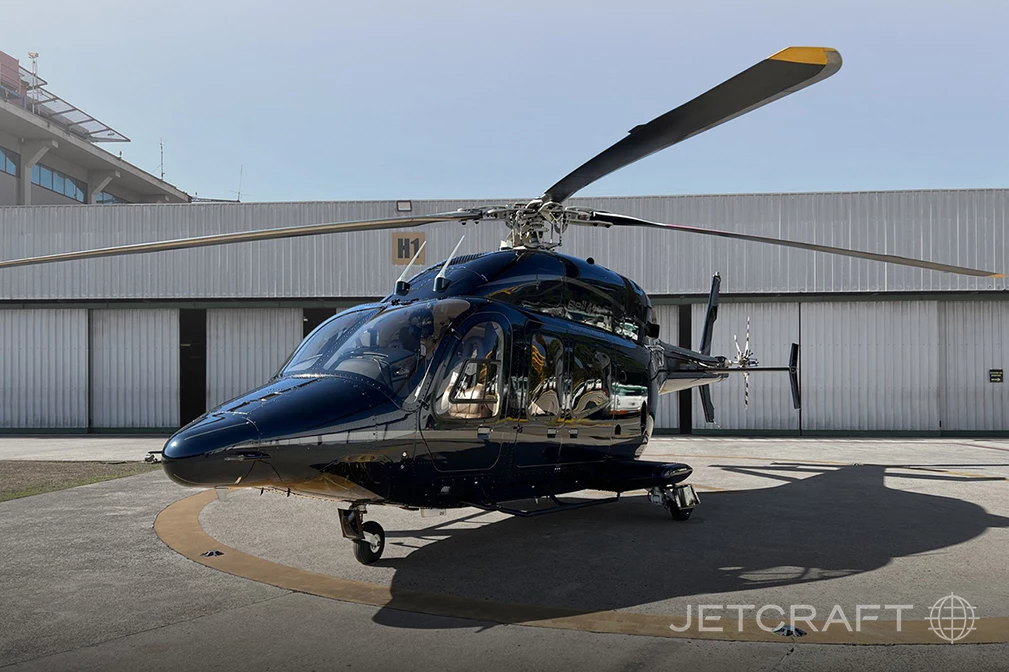
Corporate helicopter operations support business executives requiring point to point transportation bypassing ground traffic and accessing locations without nearby airports. While less common than fixed wing business aviation, helicopters serve specific niches including urban connectivity, remote facility access, and time critical travel where direct helicopter transport proves more efficient than alternatives. German corporate operators favor twin engine helicopters providing single engine inoperative capability and redundancy enhancing safety margins. Models like Airbus H145, Leonardo AW139, and Sikorsky S76 offer appropriate performance, passenger comfort, and operational flexibility for corporate missions, though operating costs substantially exceed fixed wing alternatives making helicopters economical only for missions genuinely requiring rotorcraft capabilities.
Offshore wind energy development in the North Sea and Baltic Sea generates growing helicopter demand supporting turbine installation, maintenance access, and crew transport to offshore platforms. These operations utilize medium and large helicopters capable of overwater flight with appropriate safety equipment, floatation systems, and ranges reaching offshore installations. The expanding offshore wind sector provides stable demand supporting helicopter operators specializing in this market segment. Utility operations including power line inspection, aerial survey, external load operations, and forestry work employ helicopters throughout Germany, with operators maintaining diverse fleets addressing varied mission requirements from light singles through heavy lift machines depending on specific operational demands.
Light single engine helicopters including Robinson R44, Bell 407, and Airbus H125 (formerly AS350) serve training, personal transportation, and light utility missions. The R44 dominates flight training applications through low acquisition costs and reasonable operating expenses, though limited performance and basic equipment restrict commercial utility. The Bell 407 and H125 offer greater capability with turbine reliability, higher speeds, and superior useful loads supporting professional operations including aerial work, patrol, and light passenger transport. German operators of light singles typically conduct Part SPO private operations or specialized commercial missions where single engine operations prove acceptable to customers and insurers.
Medium twin engine helicopters represent the most active market segment for serious commercial operations in Germany. The Airbus H135 and H145 dominate EMS and law enforcement applications through purpose designed configurations, established support infrastructure, and decades of operational experience. Corporate operators favor H145, Leonardo AW109 and AW139, and Sikorsky S76 models offering executive seating, reasonable cruise speeds around 130 to 150 knots, and ranges enabling most German missions without refueling. These aircraft balance capability against operating costs that typically range from 800,000 to 1,500,000 euros annually depending on utilization and specific model. Twin engine redundancy provides safety margins essential for professional operations, particularly passenger transport and operations over congested areas or challenging terrain.
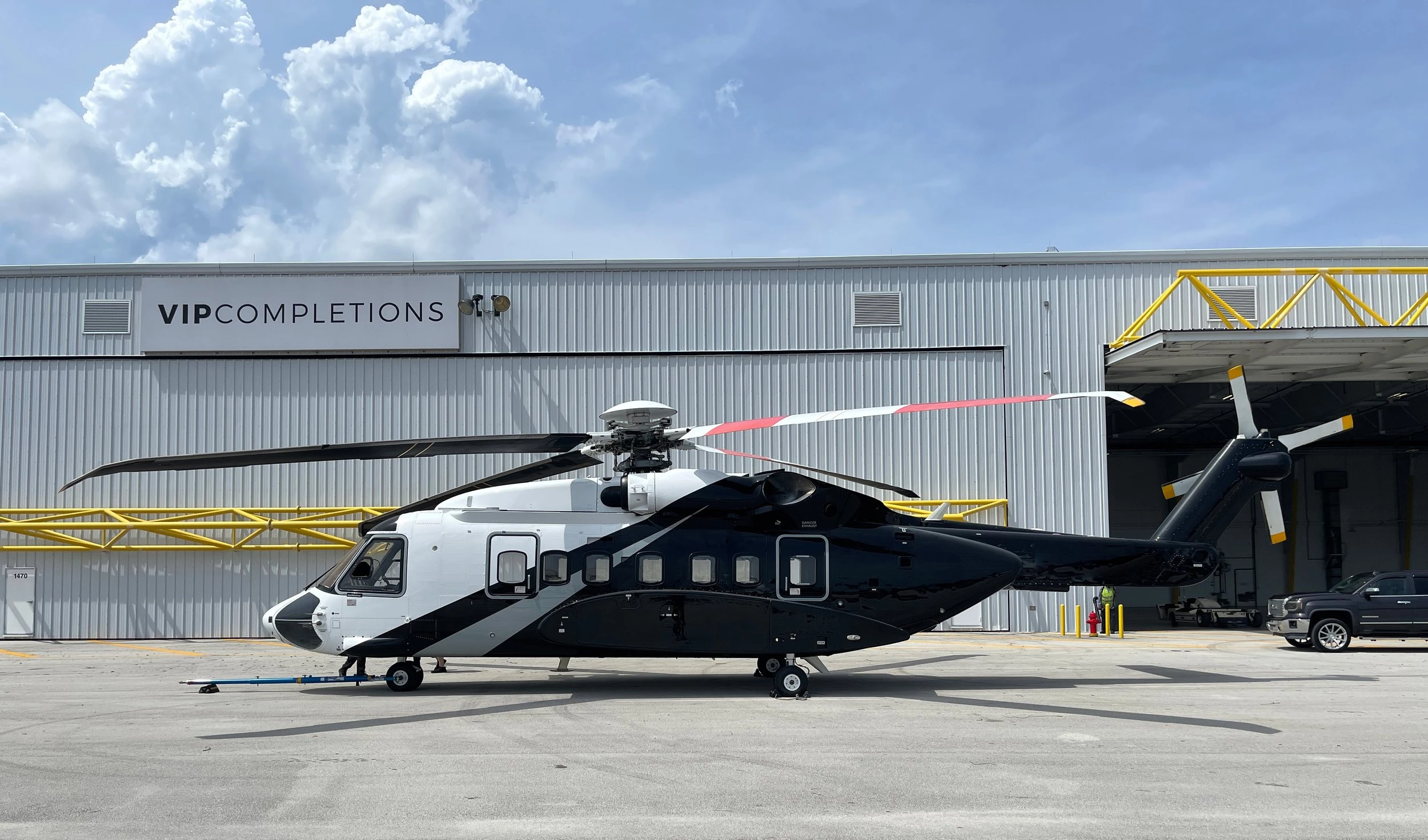
Heavy helicopters including Airbus H175, Leonardo AW189, and Sikorsky S92 serve offshore energy operations and specialized utility missions requiring substantial payload capacity or extended range. These large machines prove rare in German civil operations given mission profiles, though some operators maintain heavy helicopter capabilities supporting specific contracts or offshore requirements. Operating costs for heavy helicopters often exceed 2,000,000 euros annually, limiting economic viability to missions generating sufficient revenue or operational value justifying substantial expenses. Most German helicopter operations center on light and medium categories where mission requirements and economics align more favorably.
Helicopter operating costs substantially exceed fixed wing aircraft on per hour and annual bases, reflecting complex maintenance requirements, limited component life, and specialized operational demands. Light single engine helicopters like Robinson R44 cost approximately 250,000 to 400,000 euros annually including insurance, maintenance reserves, hangar, and variable expenses for moderate utilization. Medium twins typically range from 800,000 to 1,500,000 euros yearly depending on model and flight hours. These costs include crew salaries for professional operations, as most commercial helicopter missions require dedicated pilots rather than owner operators given workload complexity and regulatory requirements.
Maintenance represents the dominant cost category in helicopter operations, with dynamic components including main rotor systems, tail rotors, transmissions, and engines requiring time limited overhauls at intervals substantially shorter than fixed wing aircraft. Many critical components face life limits around 2,000 to 6,000 hours requiring replacement regardless of condition, creating predictable major expenses throughout helicopter operational life. German operators typically engage manufacturers or authorized service centers for major inspections ensuring proper procedures and parts quality, accepting higher costs for reliability and regulatory compliance. Comprehensive maintenance reserve accrual proves essential, preventing cash flow surprises when major inspections or component replacements occur.
Insurance costs reflect helicopter risk profiles, operational complexity, and pilot experience requirements. Rates typically exceed fixed wing premiums due to higher accident frequency and severity in helicopter operations. Insurers examine pilot qualifications closely, requiring minimum flight hours, type specific experience, and recurrent training completion. Operations over congested areas, night missions, and adverse weather flying attract premium increases reflecting elevated risks. New helicopter operators often face coverage restrictions or high premiums until building experience and safety records demonstrating operational competence. Working with specialized aviation insurers familiar with helicopter operations ensures appropriate coverage at competitive rates while understanding risk factors affecting premiums.
German helicopter operations follow EASA regulations with national implementation through the Luftfahrt Bundesamt. Commercial operations require Air Operator Certificate (AOC) certification under applicable regulations depending on mission type, with HEMS, offshore, and passenger transport operations facing comprehensive requirements addressing crew qualifications, operational procedures, maintenance standards, and safety management systems. The regulatory framework ensures high safety standards while accommodating diverse helicopter operations from training through complex commercial missions. Operators should engage regulatory specialists during planning phases, ensuring proposed operations comply with applicable requirements and obtaining necessary approvals before commencing commercial activities.
Pilot licensing requires EASA commercial pilot licenses with helicopter category ratings and type ratings for specific models. Minimum flight experience varies by helicopter type and operational requirements, with twin engine aircraft and complex operations demanding higher experience levels than basic VFR flying in light singles. German regulations emphasize systematic training, standardized procedures, and currency requirements maintaining pilot proficiency. Many operators exceed regulatory minimums, establishing higher internal standards reflecting operational complexity and risk management priorities. Investment in comprehensive training programs enhances safety margins while building pilot capabilities supporting efficient operations and customer confidence.
Continuing airworthiness management for helicopters follows frameworks similar to fixed wing aircraft though with greater complexity reflecting helicopter maintenance demands. Operators must establish relationships with Part 145 maintenance organizations experienced with specific helicopter types, ensuring access to qualified technicians, specialized tooling, and genuine parts supplies. Many German helicopter operators maintain long term relationships with manufacturers or authorized service centers, valuing consistent maintenance quality and technical support over cost minimization. Proper continuing airworthiness management protects safety, maintains regulatory compliance, and preserves helicopter values through comprehensive documentation and appropriate maintenance actions.
The German helicopter market reflects stable demand from established sectors including EMS, law enforcement, and utility operations supplemented by developing opportunities in offshore wind energy and urban air mobility concepts. Traditional helicopter applications continue supporting market activity, with aging fleet replacement generating acquisition opportunities as operators modernize equipment with newer generation aircraft featuring advanced avionics, improved performance, and enhanced safety systems. Technological advancement in helicopter design emphasizes reduced operating costs through improved component life, lower fuel consumption, and decreased maintenance requirements addressing historical helicopter economic challenges.
Environmental considerations increasingly influence helicopter operations and acquisition decisions. Manufacturers develop helicopters featuring reduced fuel consumption, lower emissions, and decreased noise signatures addressing regulatory requirements and community concerns. Operators evaluate sustainable aviation fuel adoption and operational procedures minimizing environmental impacts while maintaining mission effectiveness. Urban air mobility concepts including electric vertical takeoff and landing (eVTOL) aircraft receive substantial attention, though practical implementation faces technological, regulatory, and infrastructure challenges requiring resolution before meaningful deployment. Conventional helicopters remain essential for foreseeable operations requiring proven capability, comprehensive support, and regulatory acceptance.
Ready to explore helicopter opportunities in Germany? Browse current listings featuring quality inventory across light single, medium twin, and heavy categories. Our platform provides detailed specifications, comprehensive imagery, and direct seller contact enabling informed evaluation of available helicopters. Whether establishing EMS operations, corporate transportation, utility services, or specialized mission capabilities, begin your search today. Review helicopters for sale and discover aircraft meeting rigorous German operational and maintenance standards supporting safe, efficient rotorcraft operations.
Browse our full global inventory of helicopters for sale.
Helicopters face higher operating costs due to complex mechanical systems, time limited dynamic components, and intensive maintenance requirements. Main rotor systems, tail rotors, transmissions, and engines require overhauls at intervals substantially shorter than fixed wing aircraft, with many components facing hard time limits requiring replacement regardless of condition. The mechanical complexity of generating lift through rotors rather than wings creates greater wear and maintenance demands. Additionally, helicopter insurance costs typically exceed fixed wing premiums due to higher accident rates, and specialized crew training proves more expensive. These factors combine producing hourly operating costs often double comparable fixed wing aircraft.
Commercial helicopter operations require EASA commercial pilot licenses with helicopter category ratings and appropriate type ratings for specific aircraft. Minimum flight experience varies by operation type, with basic commercial operations requiring around 150 hours total time while complex missions like HEMS or offshore operations often mandate 1,000 to 2,000 hours with substantial helicopter experience. Instrument ratings prove valuable for professional operations though not universally required depending on operational specifications. Ongoing currency requirements include recent flight experience, periodic checks, and recurrent training. German operators typically establish higher standards than regulatory minimums, reflecting operational complexity and safety priorities in commercial helicopter aviation.
Airbus Helicopters manufacturing in Donauworth creates comprehensive support infrastructure throughout Germany including maintenance facilities, spare parts availability, and technical expertise. German operators benefit from proximity to factory support, responsive technical assistance, and established service networks. The manufacturing presence influences market preferences toward Airbus models like H135, H145, and H160 which dominate EMS and corporate segments. Training facilities, engineering expertise, and regulatory relationships stemming from manufacturing operations enhance operational support for German helicopter operators. This ecosystem distinguishes Germany from countries lacking domestic helicopter manufacturing and contributes to market maturity and operational sophistication.
Helicopters suit specific business transportation niches rather than general corporate aviation. Point to point urban transport avoiding ground traffic, remote facility access, and time critical missions where direct helicopter travel proves faster than alternatives justify helicopter use despite high operating costs. Most German business aviation utilizes fixed wing aircraft offering greater speed, range, passenger comfort, and lower costs for typical missions. Helicopters make sense for companies with operations at remote locations, frequent urban center connectivity requirements, or specialized needs genuinely requiring vertical flight capability. Operating costs typically double fixed wing equivalents, making helicopters economical only when rotorcraft capabilities provide irreplaceable value for specific mission profiles.