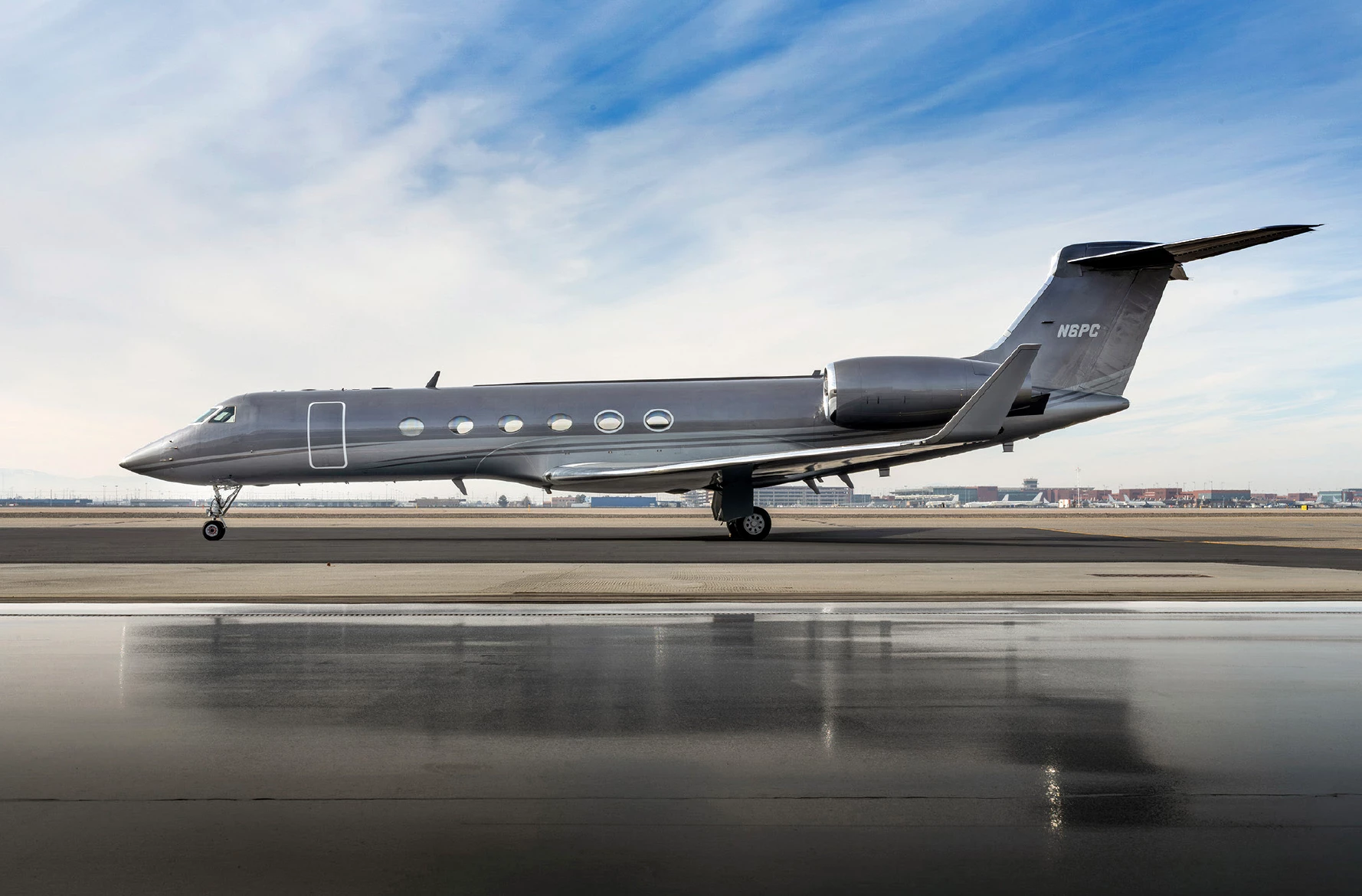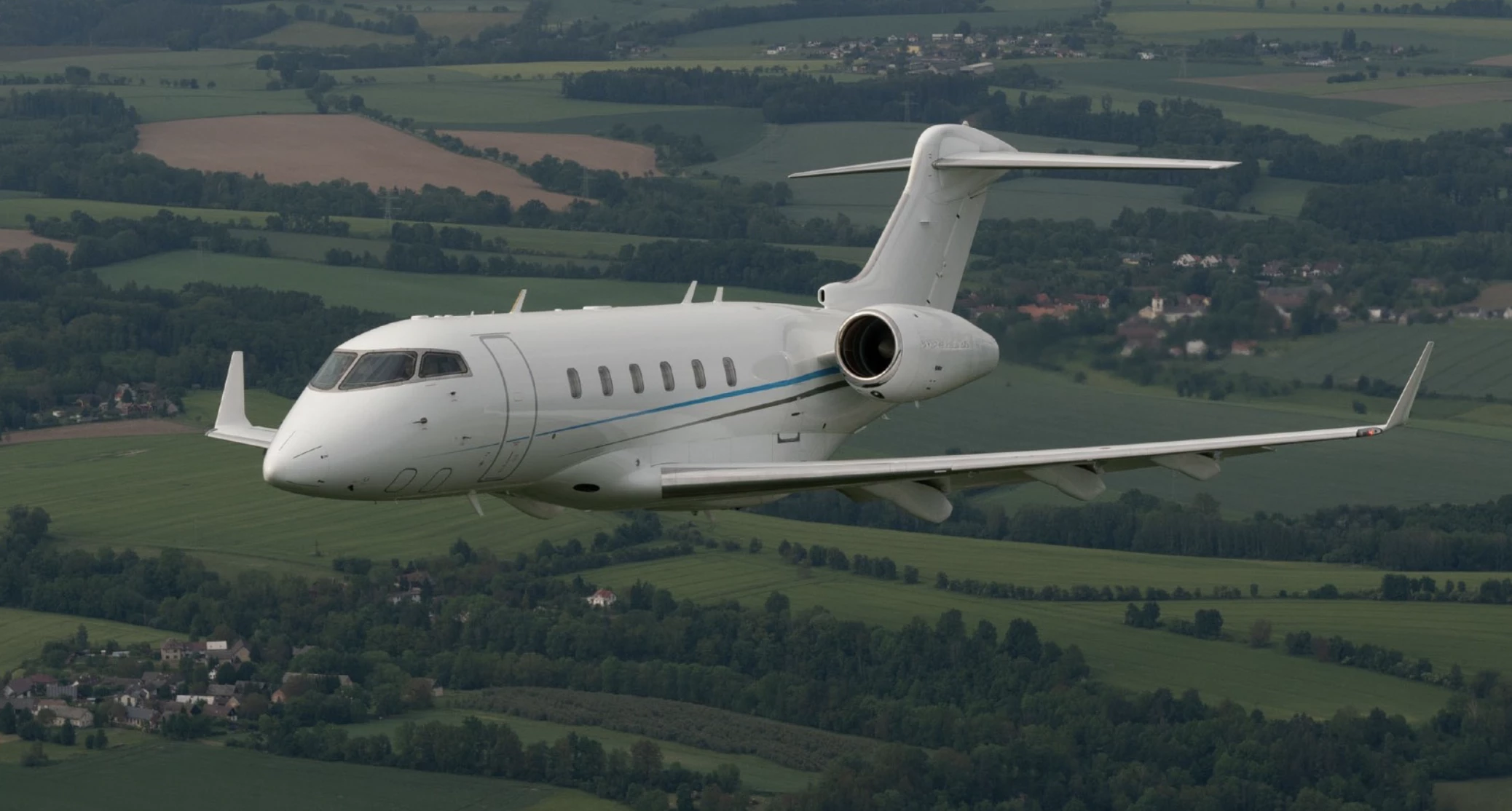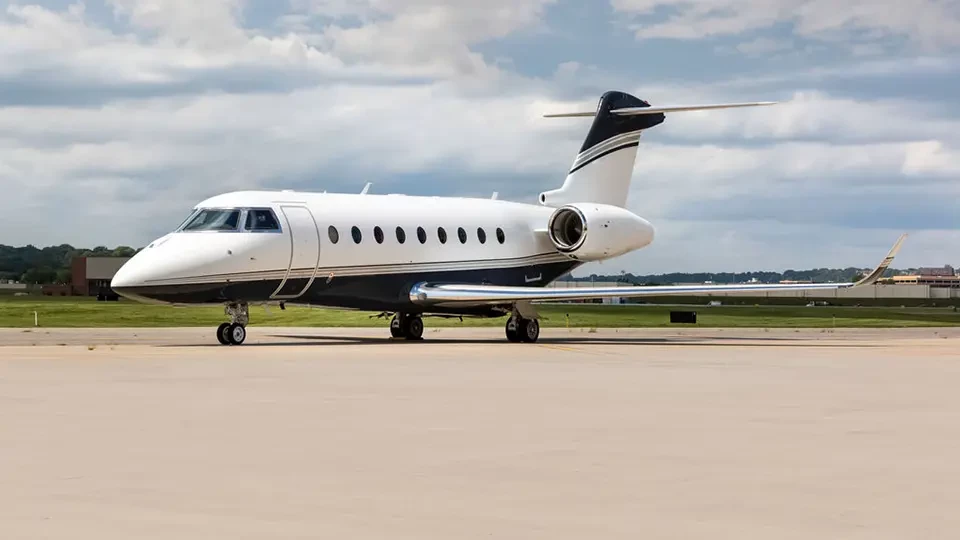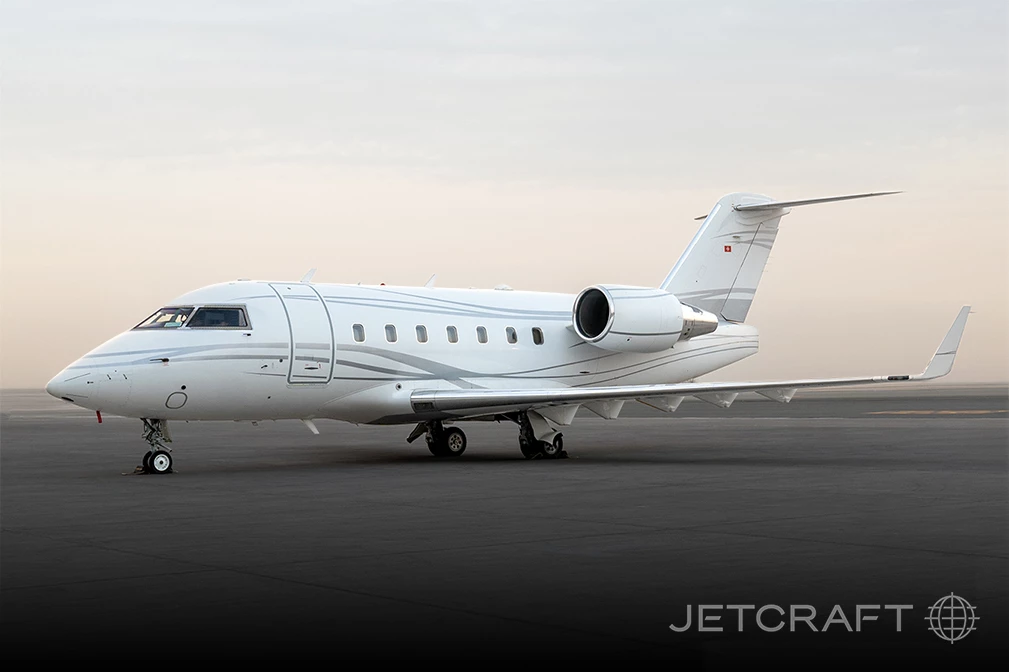
Business jet operations in Germany serve as strategic assets for companies competing in global markets. The country's export oriented economy, dominated by manufacturing excellence and engineering innovation, generates substantial demand for aviation solutions connecting headquarters with international customers, production facilities, and sales operations. Corporate flight departments enable executives maximizing time efficiency, maintaining confidential discussions during travel, and accessing locations poorly served by commercial airlines. German companies view business jets as productivity tools rather than luxury amenities, with aircraft selection driven by mission requirements and operational economics rather than status considerations or extravagant features.
The corporate aviation market in Germany encompasses diverse operators from automotive suppliers and industrial manufacturers through professional services firms and technology companies. These organizations utilize business jets ranging from efficient light jets for regional European travel through capable midsize aircraft handling transcontinental missions to large cabin jets enabling nonstop intercontinental connectivity. Aircraft selection balances capability requirements against operating costs, with German buyers conducting rigorous analyses ensuring aviation investments deliver measurable business benefits through enhanced executive productivity and improved operational flexibility.
German corporate aviation closely ties to the country's industrial structure and export dependence. Automotive manufacturers and their extensive supplier networks utilize flight departments supporting engineering teams visiting customer facilities, sales executives pursuing international contracts, and management overseeing geographically dispersed operations. Manufacturing companies across machinery, chemical, and technology sectors rely on aviation accessing emerging markets, conducting supplier audits, and enabling rapid response to customer requirements. This industrial utilization drives aircraft selection toward reliable, efficient designs supporting repetitive missions rather than exotic types offering marginal improvements at substantial cost premiums.
The Mittelstand companies forming Germany's economic backbone increasingly adopt corporate aviation as global competition intensifies. Medium sized enterprises generating hundreds of millions in annual revenue recognize that executive time represents their scarcest resource, with aviation enabling productivity impossible through commercial airline schedules. A regional sales director visiting four customer sites across Poland, Czech Republic, and Slovakia in a single day via business aircraft accomplishes more than a week of airline connections could achieve. These efficiency gains justify aircraft operating costs through enhanced revenue generation and competitive responsiveness unattainable without dedicated aviation assets.
Family owned businesses, prevalent throughout German industry, often maintain multi generational aviation traditions reflecting the continuity and long term planning characteristic of these enterprises. Aircraft ownership decisions emphasize lifecycle economics over short term costs, with buyers evaluating total expenditures across anticipated ownership periods rather than focusing narrowly on acquisition prices. This perspective values comprehensive maintenance, modern avionics, and proven reliability over cosmetic appeal or novel features. German corporate buyers typically retain aircraft longer than counterparts in more transactional markets, building relationships with specific airframes and maintenance providers that enhance operational knowledge and cost predictability.
Corporate flight departments in Germany typically begin with careful mission analysis defining operational requirements before evaluating aircraft options. This methodology examines typical passenger loads, frequently visited destinations, runway requirements at regularly accessed airports, and operational constraints including crew availability and maintenance infrastructure. Many German companies engage aviation consultants conducting objective analyses, avoiding sales pressure from manufacturers or brokers with vested interests in particular solutions. This analytical approach often reveals that midsize jets meeting 80 percent of missions prove more economical than larger aircraft rarely flying routes justifying their capabilities and costs.
Light jets including Citation CJ series, Phenom 300, and Learjet variants serve corporations requiring efficient regional capability within Europe. These aircraft typically accommodate four to six passengers, offer ranges around 1,500 to 2,000 nautical miles, and maintain operating costs below larger alternatives. For companies with operations concentrated in central Europe, light jets provide sufficient capability accessing destinations from Scandinavia through Mediterranean regions while minimizing capital investment and ongoing expenses. Single pilot certification available on some light jets offers operational flexibility, though most corporate operators maintain two pilot crews ensuring safety margins and schedule reliability regardless of certification minimums.
Midsize jets dominate German corporate fleets, with Citation Excel and XLS models, Hawker 800 and 900 variants, and Gulfstream G150 and G280 aircraft offering optimal capability for transcontinental European missions. These jets typically seat six to eight passengers, provide ranges enabling nonstop flights from German bases to destinations throughout Europe, Russia, and North Africa, and maintain reasonable operating economics. Established maintenance infrastructure throughout Europe ensures service availability, while mature designs prove their reliability through decades of operational history. For corporations with primary European operations and occasional intercontinental requirements better served through charter supplementation, midsize jets deliver excellent value balancing capability against lifecycle costs.
German corporate flight departments utilize various organizational models reflecting company size, utilization levels, and management philosophy. Some corporations establish dedicated aviation subsidiaries handling all flight operations, crew employment, and regulatory compliance. This structure provides clear organizational separation, enables professional aviation management, and facilitates potential charter revenue when aircraft sit idle. Other companies integrate flight operations within broader corporate transportation functions, viewing aviation as one component of comprehensive mobility management including ground vehicles and commercial airline coordination. Structure selection depends on operational scale, with larger departments justifying specialized personnel while smaller operations leverage external management companies.
Aircraft management companies serve German corporations lacking internal aviation expertise or insufficient utilization justifying dedicated staff. These specialists handle crew recruitment and employment, maintenance coordination, insurance procurement, regulatory compliance, and operational scheduling. Management arrangements range from comprehensive turnkey services where companies assume full operational responsibility through advisory relationships supporting corporate managed departments. Costs typically involve fixed monthly fees covering administrative functions plus hourly charges for flight operations and variable expenses. Engaging management companies enables corporations focusing on core business activities while ensuring professional aviation operations meeting safety standards and regulatory requirements.
Charter revenue opportunities through Part CAT certification enable corporations offsetting operating costs during periods when aircraft availability exceeds internal requirements. German regulations permit non commercial operators conducting occasional charter provided appropriate certification and operational standards apply. However, charter operations introduce complexities including insurance implications, crew scheduling challenges, and aircraft wear from external utilization. Many German corporations choose avoiding charter complications, viewing aircraft as dedicated business assets rather than revenue generating equipment. Decisions regarding charter participation should reflect company priorities, with clear analysis of financial benefits against operational impacts and management complexity.
German corporate aviation operates under EASA frameworks with national regulations administered by the Luftfahrt Bundesamt. Non commercial complex aircraft operations follow Part NCC requirements establishing crew qualification standards, operational procedures, and maintenance protocols. These regulations provide flexibility for corporate operations while ensuring safety through risk based oversight proportional to operational complexity. Some corporations choose obtaining Part CAT air operator certificates enabling charter services, accepting additional regulatory requirements for operational flexibility and potential charter revenue. Regulatory strategy should align with business objectives, with aviation counsel and consultants advising optimal certification approaches.
Continuing airworthiness management represents essential regulatory compliance ensuring aircraft maintain airworthiness throughout operational life. German regulations require CAMO oversight for complex aircraft or Part ML participation for eligible operations. These frameworks ensure proper maintenance planning, airworthiness directive compliance, and modification incorporation maintaining aircraft safety and regulatory standing. Many corporations engage external CAMO providers specializing in specific aircraft types, accessing expertise and regulatory knowledge enhancing compliance while avoiding overhead of internal capabilities. Proper continuing airworthiness management protects aircraft values, ensures operational reliability, and satisfies insurance requirements alongside regulatory obligations.
Flight crew regulations specify qualification requirements including licensing, type ratings, currency, and medical standards. EASA commercial pilot licenses with instrument ratings and appropriate type ratings represent minimum standards, though many aircraft require or benefit from two pilot operations. Insurance companies often mandate experience levels exceeding regulatory minimums, particularly for complex or high performance aircraft. Corporate operators should establish clear crew qualification standards, training programs, and currency requirements ensuring safe operations while satisfying insurance and regulatory requirements. Investment in comprehensive crew training enhances safety margins and operational capabilities justifying costs through reduced risk and enhanced flexibility.
Corporate aviation delivers strategic value extending beyond simple transportation cost comparisons with commercial airlines. Executive time saved through direct routing and eliminated connection delays enables productivity impossible via airline schedules. Confidential discussions during travel support sensitive negotiations, strategic planning, and proprietary information exchange without competitor observation or public disclosure risks. Team travel enables collaborative work in flight, arriving at destinations prepared and aligned rather than scattered after separate airline journeys. These qualitative benefits often exceed quantifiable time savings, though systematic documentation of aviation utilization supports objective evaluation of program value and justification for continued investment.
German corporate aviation increasingly emphasizes environmental responsibility alongside operational efficiency. Companies evaluate sustainable aviation fuel adoption, analyze route optimization reducing emissions, and consider aircraft replacement with newer generation designs offering improved fuel efficiency. These initiatives reflect broader corporate sustainability commitments and stakeholder expectations regarding environmental performance. While aviation represents small portions of most corporate carbon footprints, visible emissions reduction efforts demonstrate commitment to environmental responsibility. Balancing operational requirements against environmental objectives requires thoughtful analysis, with solutions varying by specific circumstances and company priorities.
Explore business jet opportunities supporting your corporate operations. Our platform features current listings across all categories, from light jets for regional European connectivity through midsize aircraft handling transcontinental missions to large cabin jets enabling intercontinental reach. Review comprehensive specifications, detailed photography, and operational data enabling informed evaluation of aircraft meeting your requirements. Whether establishing initial flight department capability or upgrading existing assets, begin your search today. Browse business jets for sale and access quality inventory meeting German corporate standards for documentation, maintenance, and operational history.
Browse our full global inventory of business jets for sale.
German corporations justify aviation investments through comprehensive analyses quantifying executive time savings, productivity gains, and competitive advantages. Documentation includes trip reports demonstrating itineraries impossible via airlines, calculations valuing executive time at appropriate rates, and customer acquisition metrics showing business won through enhanced responsiveness. Many companies track specific deals enabled by aviation flexibility or customer relationships strengthened through reliable meeting attendance. Environmental initiatives demonstrate responsible operations, while safety records emphasize duty of care for traveling executives. Systematic documentation supports board presentations and stakeholder communications justifying aviation as business tools rather than excessive perquisites.
Midsize jets including Citation Excel, XLS, and Latitude models, Hawker 800 and 900 variants, and Embraer Legacy series aircraft dominate German corporate fleets. These aircraft balance transcontinental European capability with reasonable operating costs, typically seating six to eight passengers with ranges around 2,000 to 3,000 nautical miles. Proven reliability, established maintenance infrastructure, and mature support networks make these designs attractive to German operators prioritizing operational dependability. Light jets serve companies with concentrated European operations, while large cabin jets support enterprises with substantial intercontinental requirements justifying higher acquisition and operating costs.
Ownership structure decisions balance tax efficiency, liability considerations, and operational simplicity. Many German corporations establish dedicated aviation subsidiaries providing legal separation and clear cost allocation. This structure facilitates charter operations if pursued, enables specialized aviation management, and simplifies insurance arrangements. Direct corporate ownership offers administrative simplicity though potentially creates liability concerns and tax complications. Leasing structures provide balance sheet benefits and potential tax advantages while maintaining operational control. Decisions should involve corporate counsel, tax advisors, and aviation specialists analyzing specific circumstances, company structure, and operational objectives to determine optimal approaches.
German corporate aviation emphasizes operational substance, cost discipline, and long term planning compared to more transaction oriented markets. Companies typically conduct thorough analyses before aircraft acquisitions, maintain comprehensive documentation, and retain aircraft longer than counterparts elsewhere. Cultural preferences for discretion over display influence aircraft selection away from ostentatious types toward practical business tools. Regulatory compliance, safety culture, and professional operational standards match or exceed international benchmarks. The operational philosophy reflects broader German business culture valuing engineering excellence, efficiency, and sustainable practices over short term optimization or status considerations that influence some international markets.