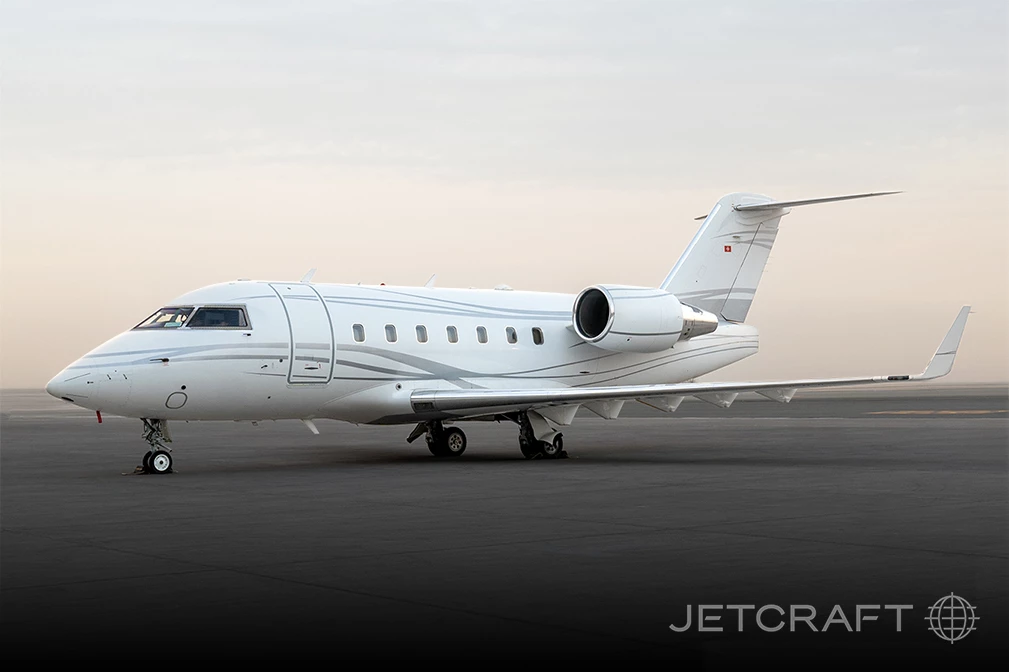
The German aircraft market offers exceptional opportunities across all aviation segments, from single engine pistons supporting flight training and recreational flying through turboprops serving regional business needs to sophisticated jets enabling intercontinental travel. Aircraft available in Germany typically reflect the country's engineering culture: well maintained, comprehensively documented, and operated according to rigorous standards. Buyers benefit from transparent transactions, established legal frameworks, and access to quality pre owned inventory reflecting decades of aviation infrastructure development and operational maturity.
Germany's position as Europe's largest economy generates diverse aircraft demand from corporate flight departments, charter operators, flight schools, and private owners. This market depth creates liquidity across categories, with regular inventory turnover supporting both buyers seeking specific capabilities and sellers looking to upgrade or divest assets. Whether you require a trainer for ab initio instruction, a workhorse turboprop for regional business travel, or a flagship jet representing corporate identity, aircraft for sale in Germany encompass options meeting varied operational requirements and budget parameters.
German aircraft sales reflect the broader economy's export focus and industrial sophistication. Mittelstand companies, the medium sized enterprises driving German manufacturing excellence, increasingly recognize aviation's efficiency advantages for accessing global markets and connecting dispersed operations. These operators prioritize capability over extravagance, seeking aircraft delivering reliable performance, reasonable operating costs, and flexibility adapting to changing business requirements. This practical approach shapes market inventory toward proven designs with established support networks rather than exotic types offering marginal performance advantages at substantial cost premiums.
Market participants demonstrate characteristic German thoroughness in transactions. Sellers provide comprehensive documentation including complete logbooks, maintenance records, and airworthiness compliance data. Buyers engage specialized surveyors conducting detailed pre purchase inspections that examine structural integrity, systems functionality, and regulatory compliance beyond superficial assessments. Legal counsel experienced in aircraft transactions structure purchase agreements addressing representations, warranties, and closing conditions protecting both parties. While this rigor extends transaction timelines beyond casual markets, it reduces post closing disputes and supports long term value retention.
The German market encompasses both domestic inventory and aircraft positioned in country for European marketing exposure. Central European location makes Germany efficient for buyer inspections from throughout the continent, while established ferry pilot and positioning services facilitate efficient delivery following purchase completion. Financing availability through German banks and international lenders supports acquisitions across price ranges, with terms reflecting aircraft type, buyer creditworthiness, and intended utilization. This infrastructure maturity distinguishes Germany from emerging aviation markets and provides buyers confidence throughout acquisition processes.
Piston aircraft inventory includes popular training aircraft like Cessna 152s and 172s, Diamond DA40s and DA42s, and Piper models supporting flight schools throughout the country. German registration attracts these aircraft through EASA training organization relationships and the country's extensive network of flying clubs (Luftsportvereine) maintaining active recreational aviation communities. Buyers seeking personal transportation find capable singles and light twins offering reasonable acquisition costs, manageable operating expenses, and sufficient performance for European travel within non pressurized operational limitations.
Turboprop inventory emphasizes practical business aircraft including Pilatus PC 12s, various King Air models, and TBM series aircraft balancing speed, useful load, and operating costs for regional missions. These aircraft suit German operators requiring reliable year round capability, short field performance accessing secondary airports near business locations, and single pilot operations minimizing crew costs. The turboprop segment attracts upgrading piston operators and corporations establishing initial flight departments, offering turbine reliability without jet fuel consumption or the complexity of pressurized turbofan operations requiring type rated crews.
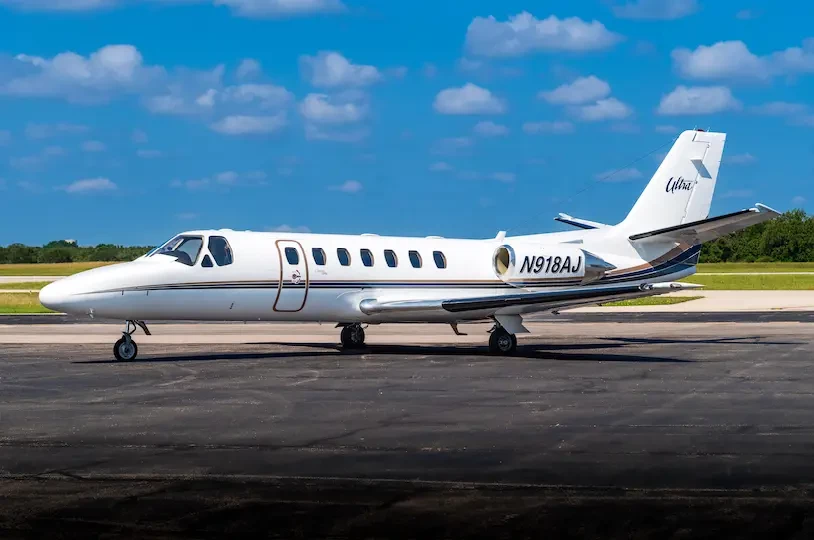
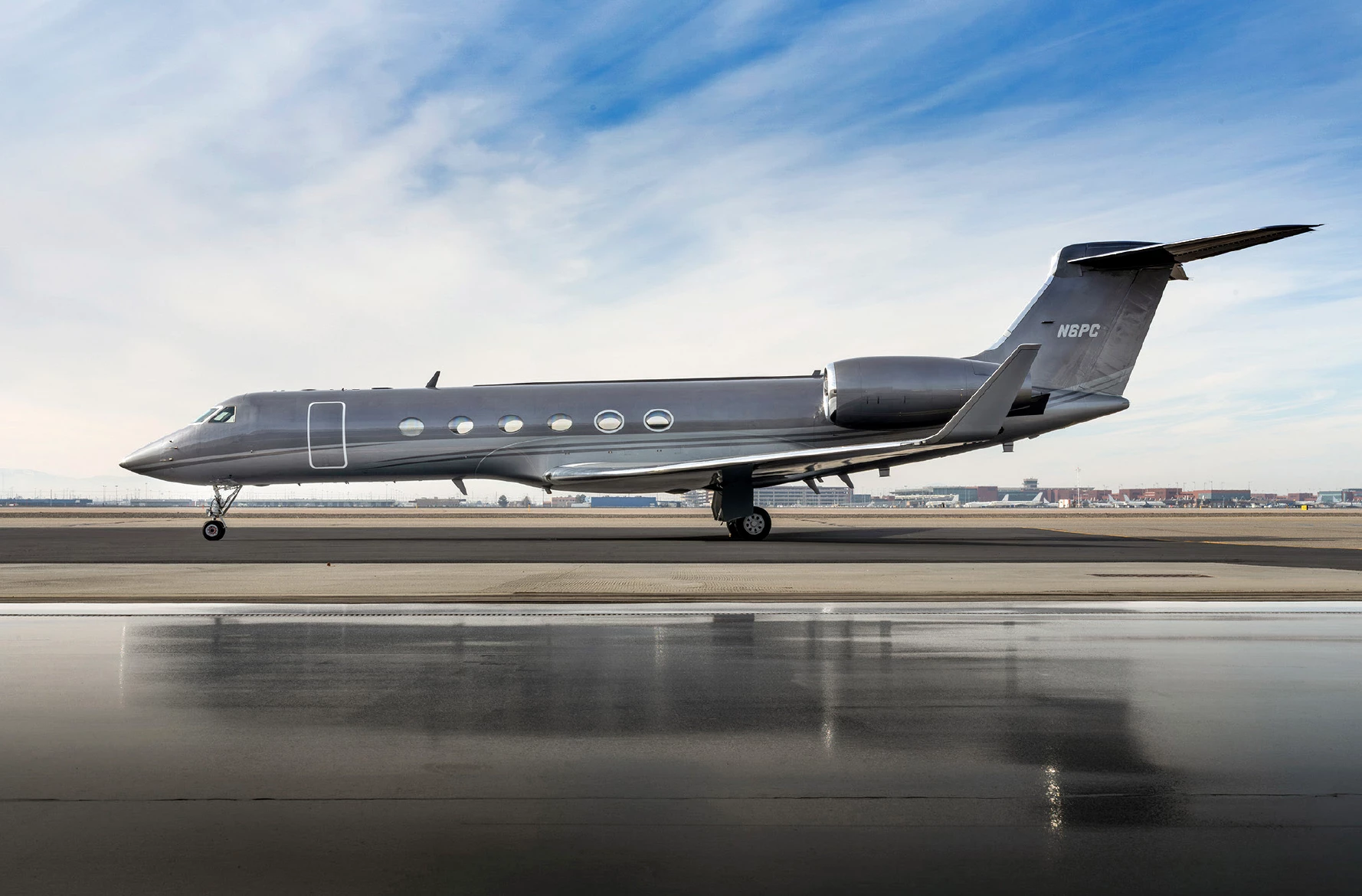
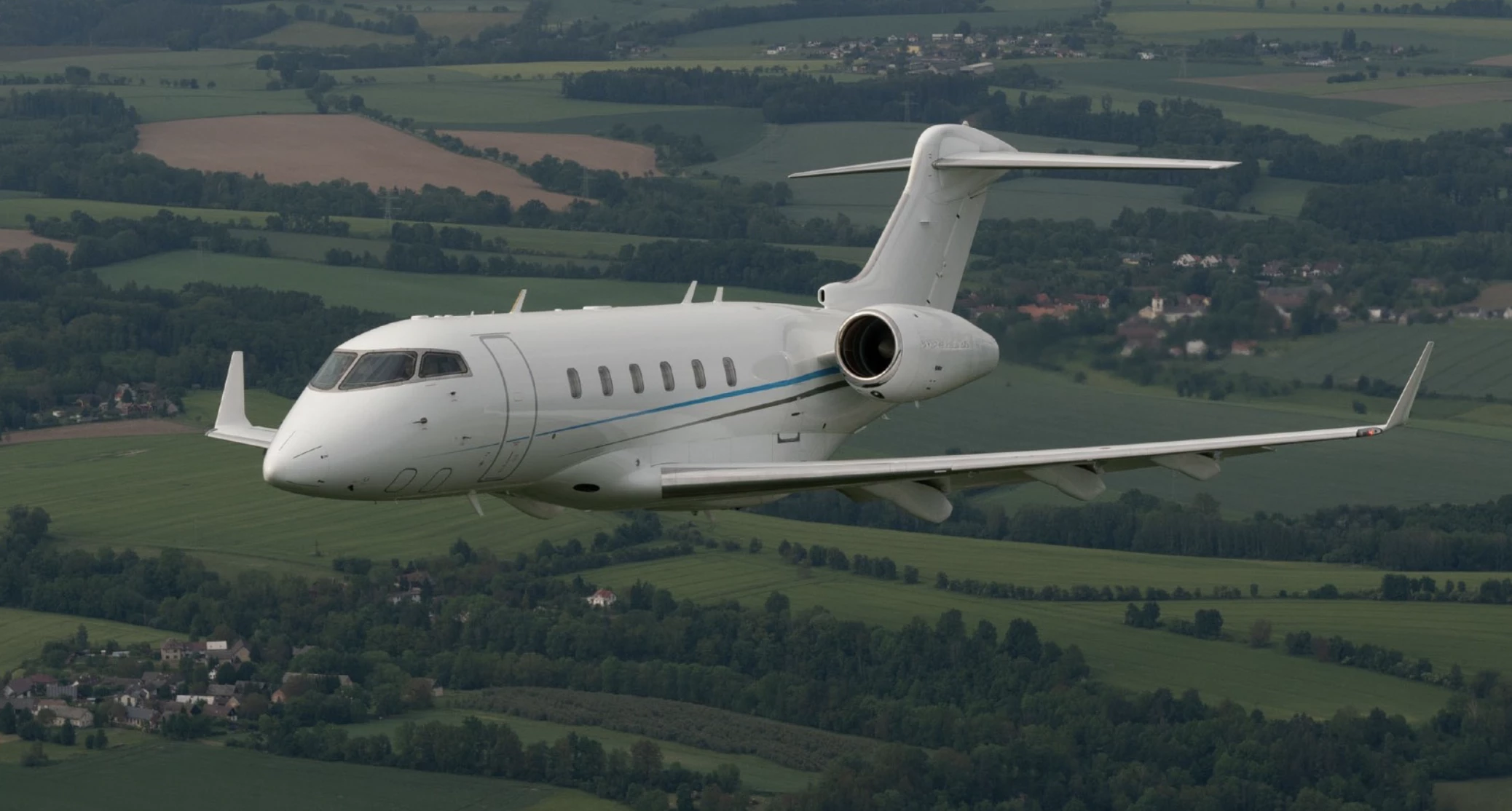
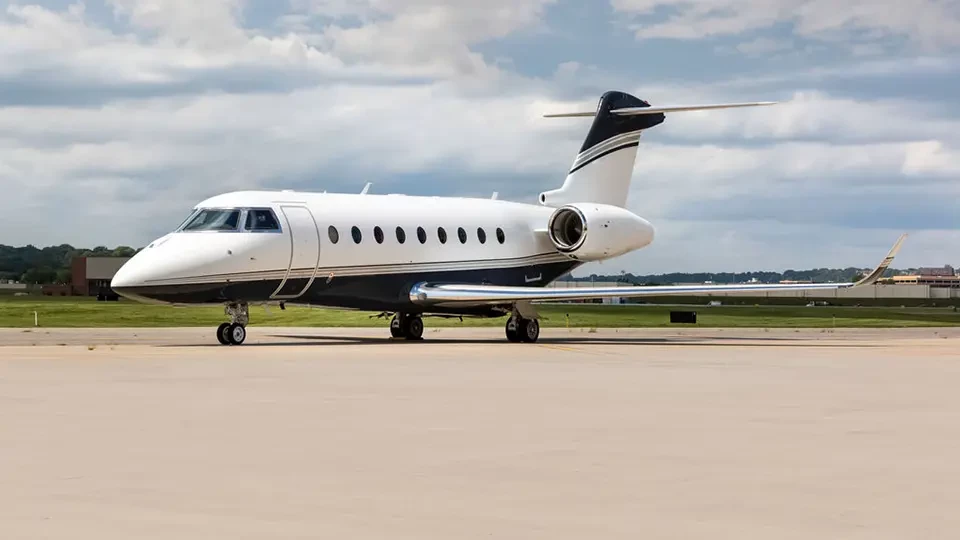
Jet inventory spans light jets like Citation Mustangs and Phenom 100s through midsize aircraft including Citation XLs and Hawker 800s to large cabin jets such as Global Express and Gulfstream G series aircraft. German operators favor proven designs with mature support infrastructure over latest models offering incremental improvements at substantial premiums. This preference creates active markets for well maintained jets demonstrating value retention through careful operation and comprehensive maintenance. Whether you seek business jets for corporate travel or explore entry level ownership, German market inventory provides options across capability and price spectrums.
Aircraft purchases in Germany typically follow established sequences beginning with initial inquiry and specification review, progressing through preliminary negotiations, pre purchase inspection coordination, purchase agreement execution, escrow arrangement, and final closing with ownership transfer. Buyers should engage aviation counsel early in processes, ensuring purchase agreements address German and EASA regulatory requirements, maintenance status verification, and appropriate closing conditions. Sellers benefit from organizing documentation proactively, obtaining current airworthiness documentation, and establishing realistic pricing reflecting condition, time since major inspections, and avionics fit.
Pre purchase inspections represent critical transaction phases where qualified engineers evaluate aircraft condition beyond logbook representations. German buyers typically select surveyors with specific type experience, requesting detailed examinations of airframe structures, engine conditions, avionics functionality, and regulatory compliance. These inspections often identify maintenance items requiring correction before closing or price adjustments compensating buyers for upcoming expenditures. While comprehensive inspections involve cost and scheduling, they protect buyers from expensive surprises and provide leverage negotiating final terms reflecting actual aircraft condition rather than seller descriptions.
Import and export considerations affect international transactions involving German registered aircraft or foreign aircraft entering the country. EASA certification enables free circulation within EU member states, simplifying intra European transactions. Non EASA aircraft imports require validation processes administered by the LBA, with requirements varying by aircraft category and intended operations. Experienced brokers and attorneys navigate these requirements efficiently, coordinating documentation, arranging conformity inspections, and ensuring regulatory compliance supporting timely ownership transfer. Understanding these processes early prevents delays and manages expectations regarding transaction timelines and associated costs.
Aircraft ownership in Germany involves ongoing regulatory compliance, maintenance planning, insurance procurement, and operational management. New owners should establish relationships with Part 145 maintenance organizations providing scheduled inspections, unscheduled repairs, and continuing airworthiness management. German regulations require continuing airworthiness management organization (CAMO) oversight for complex aircraft, with Part ML simplified procedures available for certain non commercial operations. These frameworks ensure proper maintenance planning, regulatory compliance tracking, and airworthiness directive implementation maintaining aircraft safety and value.
Insurance requirements reflect aircraft type, intended operations, and pilot qualifications. German underwriters provide competitive coverage for aircraft based in country, though international policies often prove advantageous for aircraft conducting substantial operations outside Germany. Insurers evaluate pilot experience, training recency, and operational profiles determining premiums and coverage terms. New owners should obtain insurance quotes during purchase processes, ensuring coverage availability at acceptable terms before completing acquisitions. Some aircraft types or pilot experience levels encounter coverage limitations requiring additional training or operational restrictions as policy conditions.
Operational planning should address hangar availability, fuel arrangements, maintenance scheduling, and crew resource management. Many German airports offer individual hangars or shared facilities protecting aircraft from weather while providing security. Fuel availability throughout Europe enables flexible routing, though corporate accounts with major suppliers provide pricing advantages and simplified billing. Flight planning services, weather briefing, and handling arrangements streamline operations, particularly for owners without dedicated flight departments managing these functions internally. Proper operational infrastructure maximizes aircraft utility while maintaining compliance with regulatory requirements and insurance policy terms.
The German aircraft market continues evolving alongside broader aviation industry developments. Increasing emphasis on environmental performance drives interest in newer aircraft featuring improved fuel efficiency, reduced emissions, and lower noise signatures. Sustainable aviation fuels gain acceptance as operators seek reducing carbon footprints while maintaining operational capabilities. These trends particularly affect larger aircraft where fuel consumption represents substantial operating costs and environmental impacts, creating potential value shifts between older and newer generation aircraft as sustainability priorities influence purchasing decisions.
Technological advancement in avionics and automation affects market preferences across categories. Modern glass cockpits, synthetic vision systems, and advanced autopilots enhance safety margins and reduce pilot workload, making sophisticated capabilities accessible in smaller aircraft. Buyers increasingly prioritize avionics fit during evaluations, recognizing that outdated panels limit functionality and eventual resale appeal. Retrofit programs enable upgrades extending aircraft utility, though installation costs and downtime require careful analysis balancing improvement benefits against expenditures and alternative options including aircraft replacement with factory equipped alternatives.
Explore current aircraft listings to discover available inventory across all categories and price ranges. Our platform provides comprehensive specifications, detailed photography, and direct seller contact enabling efficient evaluation of opportunities matching your requirements. Whether you seek a piston single for personal flying, a turboprop for regional business travel, or a jet for intercontinental capability, start your search today. Browse aircraft for sale and connect with quality inventory reflecting German market standards for documentation, maintenance, and transparency.
German aircraft typically feature comprehensive maintenance documentation, operation according to EASA standards, and transparent condition representation reflecting the country's engineering culture. The established legal framework for aircraft transactions provides buyer protection through detailed purchase agreements and standardized processes. Germany's central European location facilitates buyer inspections and efficient ferry operations following purchase. Additionally, German registration offers operational advantages throughout Europe, while the mature aviation infrastructure ensures quality maintenance facilities and continuing airworthiness support.
Transaction timelines vary based on aircraft complexity, buyer due diligence requirements, and financing arrangements. Simple piston aircraft purchases may complete within two to three weeks, while turbine aircraft transactions typically require four to eight weeks accommodating comprehensive pre purchase inspections, legal review, and closing coordination. International transactions involving import validation or registration transfers may extend timelines further. Buyers should anticipate German market transactions proceeding methodically with emphasis on thorough documentation review and proper process completion rather than speed prioritization.
German banks and international lenders provide aircraft financing including secured loans, finance leases, and operating leases. Terms depend on aircraft type, value, buyer creditworthiness, and intended use. Typical loan to value ratios range from 70 to 85 percent for newer turbine aircraft, with terms extending five to fifteen years. Piston aircraft financing proves more limited, often requiring higher down payments and shorter terms. Specialized aviation finance companies offer structured solutions including sale leaseback arrangements for corporate operators. Engaging experienced aviation finance advisors helps identify optimal structures for specific circumstances.
While not legally required, engaging German aviation counsel provides substantial benefits for aircraft transactions. Attorneys experienced in aircraft sales structure purchase agreements addressing EASA regulatory requirements, German civil law considerations, and international transaction complexities. They coordinate closing processes, escrow arrangements, and ownership transfer documentation ensuring proper legal formalities. For international buyers, counsel bridges language barriers and navigates unfamiliar legal systems protecting interests throughout transactions. The investment in qualified legal representation typically proves minor relative to transaction values and risks, making it prudent for most aircraft purchases in Germany.