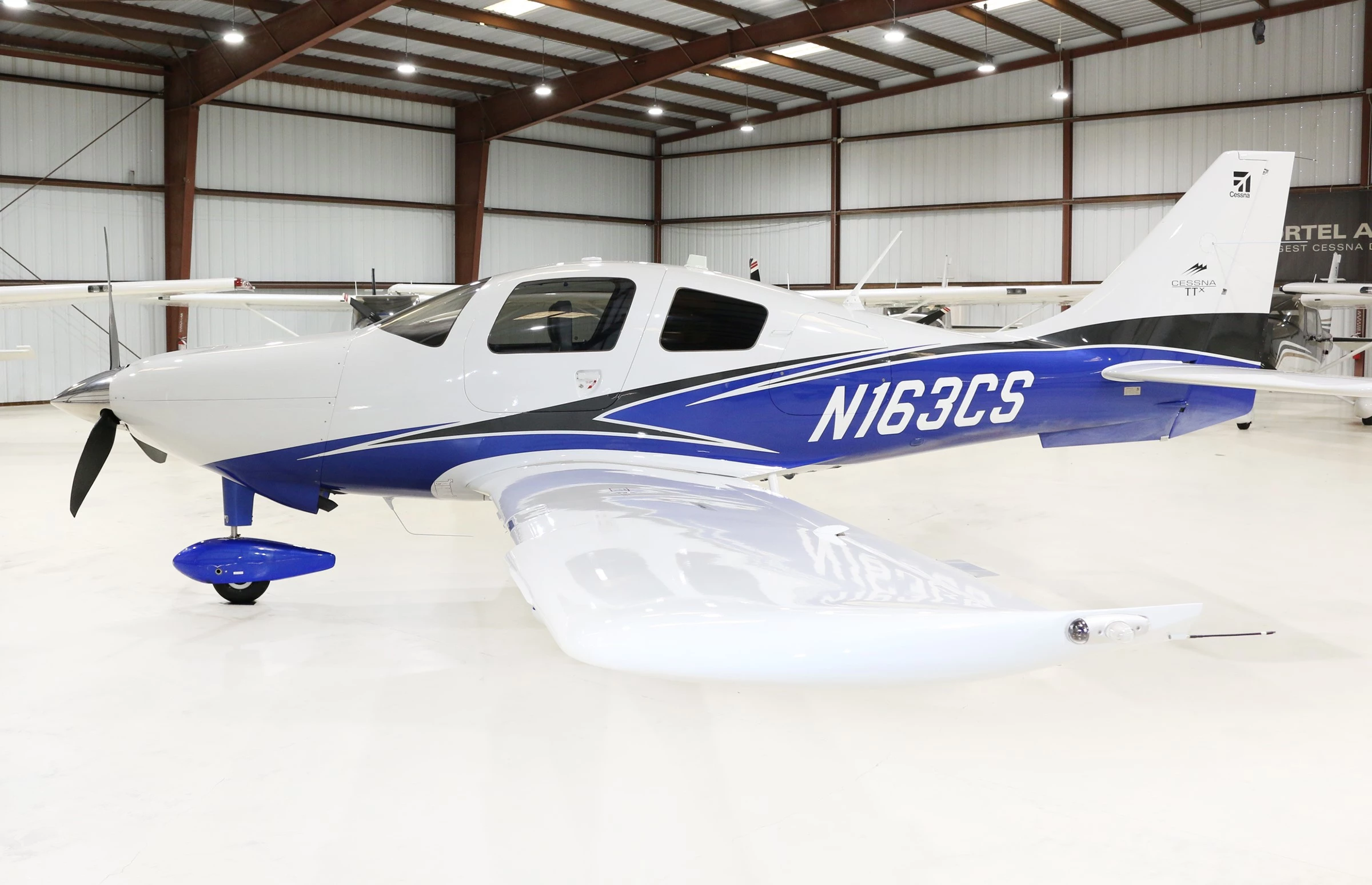
France maintains one of Europe's most vibrant general aviation cultures, with hundreds of aero clubs (aeroclubs) scattered across the nation from Normandy to Provence. This grassroots aviation movement relies heavily on piston aircraft for pilot training, recreational flying, and affordable access to flight. French manufacturers including Robin Aircraft have contributed significantly to the light aircraft industry, producing trainers and touring machines that embody Gallic design aesthetics and engineering practicality. France's extensive network of grass strips, maintained aerodromes, and active flying community creates an ideal environment for piston aircraft ownership and operations serving pilots at every experience level.
Robin Aircraft, based in Dijon, represents France's proud tradition of light aircraft manufacturing. The company's lineage traces through multiple corporate identities but maintains consistent focus on training and touring aircraft characterised by composite construction, efficient aerodynamics, and French design sensibilities. Robin models including the DR400 series have become staples of French aero clubs, offering docile handling for student pilots while providing adequate performance for cross country touring once licence holders gain experience.
French pilots often express particular affinity for Robin aircraft, appreciating their distinctive styling, sliding canopy offering excellent visibility, and side by side seating in many variants. The DR400 wood and composite construction requires specific maintenance expertise, creating specialisation among French mechanics familiar with the type's unique characteristics. Pre owned Robin availability in France reflects decades of production, with aircraft ranging from vintage 1970s examples through more recent builds featuring modern avionics and refinished interiors. Buyers seeking authentic French aviation heritage find Robin aircraft compelling choices backed by domestic support infrastructure and cultural significance within French flying circles.
France's aero club movement dates to aviation's pioneering era, with clubs established in most regions offering affordable flying access and pilot training. These non profit associations operate fleets typically comprising Cessna 150/152 trainers, Piper PA28 variants, and Robin aircraft suited to DGAC PPL (Private Pilot Licence) syllabuses. Club membership structures spread fixed costs across multiple pilots, making flying accessible to students, recreational pilots, and experienced aviators maintaining currency without whole aircraft ownership expenses.
French pilot training emphasises thorough theoretical knowledge and disciplined flying techniques under DGAC oversight aligned with EASA standards. Training aircraft endure intensive utilisation, accumulating hours rapidly as instructors conduct primary instruction, solo practice, and licence test preparation. This intensive use creates a steady supply of pre owned trainers to the market as clubs retire high time aircraft and acquire replacements. Buyers seeking training category piston aircraft find French examples often feature comprehensive logbooks documenting meticulous maintenance by club employed mechanics who understand the demanding training environment.
The Direction Generale de l'Aviation Civile (DGAC) administers pilot licensing in France following EASA Part FCL standards harmonised across European Union member states. French PPL holders enjoy privileges throughout Europe, operating aircraft registered in any EASA member nation subject to appropriate ratings and currency requirements. The DGAC maintains oversight of training organisations, examiners, and instructors, ensuring consistent standards across France's diverse aero club network and commercial flight schools.
Aircraft registration and continuing airworthiness requirements administered by DGAC ensure French registered piston aircraft meet safety standards through regular inspections and maintenance compliance. Annex II aircraft including vintage types and certain amateur built machines follow specific certification paths suited to their unique characteristics. Buyers considering French registered piston aircraft benefit from transparent regulatory frameworks, established maintenance requirements, and clear documentation standards that facilitate pre purchase evaluations and ongoing ownership compliance.
French recreational pilots embrace touring flights exploring the nation's diverse landscapes from coastal Brittany to mountainous alpine regions. Piston aircraft provide affordable platforms for weekend getaways, aviation rallies, and cross country adventures utilising France's extensive aerodrome network. Many grass strips maintained by local associations offer charming alternatives to paved airports, though operations require appropriate pilot skills and aircraft equipped with tailwheel configurations or robust landing gear suited to unprepared surfaces.
Popular touring routes connect scenic destinations including Loire Valley chateaux, Mediterranean coastal towns, Pyrenees valleys, and Burgundy wine regions. French pilots often combine aviation with culinary tourism, landing at aerodromes near renowned restaurants or vineyards for lunch before afternoon return flights. This lifestyle flying emphasises enjoyment over pure transportation utility, attracting pilots who value the journey as much as the destination. Aircraft suited to French touring missions typically feature four seat capacity, adequate baggage space for weekend trips, and cruise speeds enabling 300 to 400 nautical mile legs without refuelling.
The pre owned piston aircraft market in France offers substantial variety spanning vintage taildraggers through modern glass cockpit trainers. American manufactured Cessnas and Pipers dominate numerically, reflecting these types' global production volumes and widespread acceptance. French Robins provide alternatives attracting buyers seeking domestic heritage and differentiation from ubiquitous American trainers. European types including Grob, Tecnam, and Diamond aircraft appear in moderate numbers, appealing to buyers prioritising modern designs and fuel efficiency.
Piston aircraft values span from affordable vintage machines requiring restoration through turnkey examples featuring recent avionics upgrades, fresh paint, and low time engines. French buyers typically emphasise airframe condition and engine status over cosmetic perfection, recognising that well maintained mechanicals prove more critical than pristine interiors for safe, reliable operations. Many transactions occur within aero club networks as members upgrade or transition to different aircraft, creating informal markets where reputation and relationships influence pricing and terms. Buyers new to French general aviation benefit from consulting experienced club members or independent surveyors familiar with local market conditions, typical values, and aircraft specific considerations affecting purchase decisions.
Explore piston aircraft for sale connecting you to France's vibrant general aviation community. From Robin trainers embodying French heritage to proven American and European types, discover aircraft suited to training, touring, and recreational flying across France's diverse landscapes and extensive aerodrome network.
Browse our full global inventory of piston aircraft for sale.
Robin Aircraft in Dijon manufactures French designed trainers and touring aircraft including the DR400 series. These composite construction machines feature distinctive styling, sliding canopies, and side by side seating, becoming staples of French aero clubs and embodying domestic aviation heritage.
French aero clubs function as non profit associations offering affordable flying access and pilot training. Members share costs across club owned fleets typically comprising Cessna, Piper, and Robin aircraft, making aviation accessible without whole aircraft ownership expenses.
The DGAC administers PPL licensing following EASA Part FCL standards harmonised across European Union. French PPL holders enjoy flying privileges throughout Europe, operating EASA registered aircraft subject to appropriate ratings and currency requirements.
France offers extensive aerodrome networks including paved airports and grass strips maintained by local associations. Popular touring destinations span coastal regions, Loire Valley, Mediterranean towns, Alpine areas, and Burgundy, combining aviation with cultural and culinary experiences.